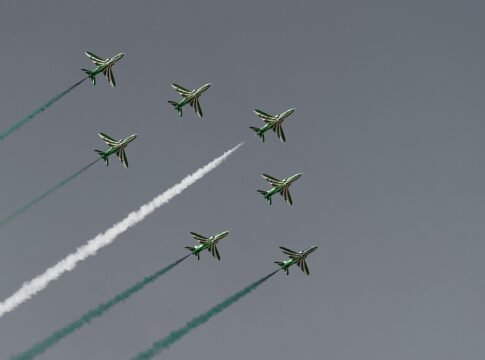
SRINAGAR: India is closely examining a recently signed defence agreement between Saudi Arabia, Turkey, and Pakistan, assessing its potential implications for national security and regional stability. The pact, referred to as the Mecca Joint Defence Agreement, stipulates that an attack on one signatory will be considered an attack on all three.
Information was available with The Chenab Times that former US President Donald Trump had lauded the agreement, describing it as a “big, bold and important first step” towards strengthening collective defence among the three nations. Trump made these remarks on his Truth Social platform, commending the development as a sign of increased cooperation in the Middle East.
The agreement, officially signed on August 7, marks a significant enhancement in the defence ties between the three countries. It was reportedly signed by Saudi Crown Prince Mohammed bin Salman, Turkish President Recep Tayyip Erdogan, and Pakistan Prime Minister Shehbaz Sharif. This accord establishes a mutual defence clause, deepening their strategic alignment.
The Indian government, through its Ministry of External Affairs, acknowledged the development and stated its commitment to evaluating the accord. On August 11, External Affairs Ministry spokesperson Randhir Jaiswal articulated India’s position, indicating that the agreement was being reviewed from the dual perspectives of national security and regional peace. He emphasized India’s unwavering resolve to safeguard its national interests and assured that all necessary measures would be undertaken to address any potential challenges arising from the pact.
This development underscores the evolving geopolitical landscape in the region and the intricate security calculus that nations must navigate. The mutual defence clause in the Mecca Joint Defence Agreement signifies a potentially substantial shift in regional power dynamics, prompting careful consideration by New Delhi. India’s stance reflects a proactive approach to foreign policy, prioritizing the protection of its strategic interests amidst changing international alliances and security architectures.
❤️ Support Independent Journalism
Your contribution keeps our reporting free, fearless, and accessible to everyone.
Or make a one-time donation
Secure via Razorpay • 12 monthly payments • Cancel anytime before next cycle


(We don't allow anyone to copy content. For Copyright or Use of Content related questions, visit here.)

The Chenab Times News Desk