Almost one year after a ceasefire agreement was reached between Israel and Hamas, residents of Gaza are continuing the challenging process of rebuilding their lives amidst persistent difficulties. A photographer for The New York Times has documented the ongoing efforts of Gazans to cope with the aftermath of the conflict and to reconstruct their devastated communities.
Information was available with The Chenab Times detailing the daily realities faced by individuals and families striving to regain a sense of normalcy and to restore essential infrastructure. The conflict, which concluded nearly a year ago, left significant damage across the Gaza Strip, impacting housing, public services, and the overall economic landscape.
Saher Alghorra, a photographer working with The New York Times, has spent time documenting the resilience and determination of the Gazan population. His work captures the personal stories of those working to rebuild homes, re-establish businesses, and care for their families in an environment still bearing the scars of the recent hostilities.
The Gaza Strip, a densely populated Palestinian territory bordering Israel and Egypt, has been under an Israeli-Egyptian blockade since 2007. This blockade, implemented after Hamas took control of the territory, has severely restricted the movement of people and goods, contributing to significant economic hardship and humanitarian challenges even before the latest conflict.
The conflict that ended nearly a year ago resulted in widespread destruction, with many buildings reduced to rubble and essential services like water and electricity severely disrupted. Rebuilding efforts are hampered by a lack of construction materials, which are often subject to import restrictions due to the ongoing blockade. The sheer scale of the damage requires extensive resources and sustained international support.
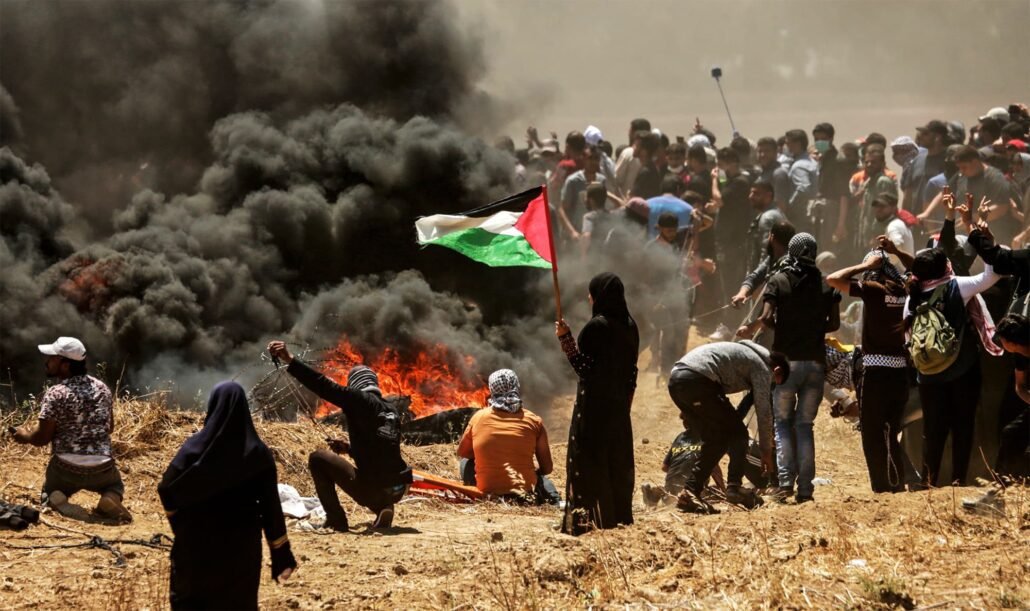
Photographic accounts from Gaza frequently highlight the human cost of the conflict and the subsequent rebuilding process. Images show individuals clearing debris by hand, families living in temporary shelters, and the gradual restoration of some community spaces. These visuals underscore the daily struggles and the unwavering spirit of the Gazan people as they work towards recovery.
The work of photographers like Alghorra provides a crucial window into the lives of those directly affected, offering a stark contrast to broader geopolitical narratives. His documentation aims to show not just the devastation, but also the ongoing efforts of residents to restore normalcy, foster hope, and rebuild their community infrastructure from the ground up. These efforts often involve intricate logistical challenges, requiring cooperation from various international and local entities.
International aid organizations and United Nations agencies play a vital role in supporting reconstruction and providing humanitarian assistance to Gaza. However, the scope of the needs often outstrips the available resources, and the political complexities surrounding the region, including the blockade, continue to pose significant obstacles to long-term recovery and development. The fragile security situation also influences the pace and effectiveness of rebuilding initiatives.
Despite the immense challenges, the residents of Gaza continue to demonstrate remarkable resilience. Efforts range from repairing damaged homes and infrastructure to reopening schools and markets. These grassroots initiatives, often undertaken with limited resources, reflect a deep-seated desire to rebuild not just physical structures but also the social fabric and economic viability of the territory.
The photographer’s documentation aims to capture this spirit of resilience, showcasing the everyday lives of Gazans as they navigate the complex realities of rebuilding in a challenging environment. The images and narratives emerging from Gaza offer a powerful testament to the human capacity to endure, adapt, and strive for a better future, even in the face of overwhelming adversity.
❤️ Support Independent Journalism
Your contribution keeps our reporting free, fearless, and accessible to everyone.
Or make a one-time donation
Secure via Razorpay • 12 monthly payments • Cancel anytime before next cycle


(We don't allow anyone to copy content. For Copyright or Use of Content related questions, visit here.)

Global Affairs Desk at The Chenab Times covers international developments, global diplomacy, and foreign policy issues through fact-based reporting, explainers, and analytical pieces. The desk focuses on major geopolitical events, diplomatic engagements, and international trends, with an emphasis on verified information, multiple perspectives, and contextual understanding of global affairs.