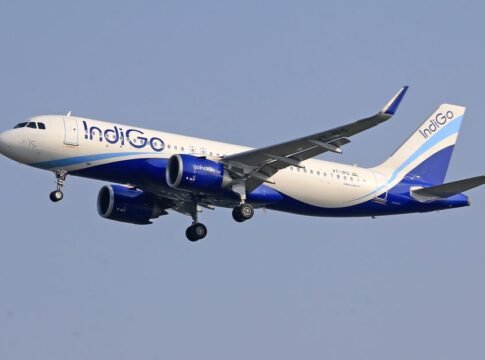
An IndiGo flight en route from Patna to Lucknow was compelled to make an emergency landing at Chaudhary Charan Singh International Airport on Wednesday evening after the aircraft encountered a lightning strike at an altitude of approximately 17,000 feet. The incident occurred amidst adverse weather conditions, resulting in damage to the aircraft’s nose cone, also known as the radome.
Information was available with The Chenab Times that the Airbus A321neo aircraft, operating as Flight 6E 6542, was carrying 104 passengers and six crew members. All individuals on board were reported to be safe following the precautionary landing in Lucknow. The aircraft has been grounded for comprehensive inspection and necessary repairs before it can resume operations, pending clearance from aviation regulatory authorities.
The Directorate General of Civil Aviation (DGCA) has initiated a formal investigation into the circumstances surrounding the lightning strike and the subsequent emergency landing. This event highlights the risks associated with severe weather patterns for aviation operations, particularly during critical phases of flight such as ascent and descent.
An IndiGo spokesperson confirmed the incident, stating that the flight experienced unfavorable weather, including a hailstorm, during its approach to Lucknow. The airline maintained that the aircraft landed safely, and all passengers were disembarked without incident at the Lucknow airport. The spokesperson added that relevant authorities were promptly notified, and the aircraft would undergo thorough maintenance and obtain all necessary clearances before returning to service.
This occurrence follows a pattern of recent aviation incidents involving IndiGo aircraft and challenging weather conditions. Weeks prior to this event, another IndiGo flight experienced an abnormal runway contact while landing at Bengaluru airport amid gusty winds. That incident, involving an A321neo operating from Guwahati to Bengaluru, resulted in a tail strike. IndiGo had also attributed that event to adverse weather conditions, underscoring the persistent challenges posed by meteorological factors in flight operations across various regions of India.
The grounding of aircraft following such incidents is a standard procedure to ensure passenger safety and airworthiness. Regulatory bodies like the DGCA mandate rigorous checks and maintenance protocols to address any damage sustained by aircraft, especially those affecting critical components such as the radome, which houses the weather radar essential for safe navigation.
The damage to the radome can potentially affect the functioning of the aircraft’s radar system, which provides vital information about weather phenomena like storms and turbulence. While the primary function of the radome is to protect the radar antenna, its structural integrity is crucial for aerodynamic efficiency and safe flight.
The incident serves as a reminder of the complexities of air travel and the constant vigilance required from both airlines and regulatory bodies to maintain the highest standards of safety. The investigation by the DGCA is expected to shed further light on the specific impact of the lightning strike and the effectiveness of the aircraft’s protective measures against such atmospheric electrical discharges.
Aviation safety protocols are continuously reviewed and updated based on findings from such incidents to mitigate future risks. Passengers often rely on the assurance that aircraft undergo stringent checks and that any anomalies are thoroughly investigated to uphold the integrity of air travel.
The safe disembarkation of all passengers and crew in Lucknow is a testament to the proficiency of the flight crew in handling an emergency situation and the robust design of the aircraft. The focus now shifts to the repair and recertification process for the affected IndiGo aircraft.
❤️ Support Independent Journalism
Your contribution keeps our reporting free, fearless, and accessible to everyone.
Or make a one-time donation
Secure via Razorpay • 12 monthly payments • Cancel anytime before next cycle


(We don't allow anyone to copy content. For Copyright or Use of Content related questions, visit here.)

The Chenab Times News Desk