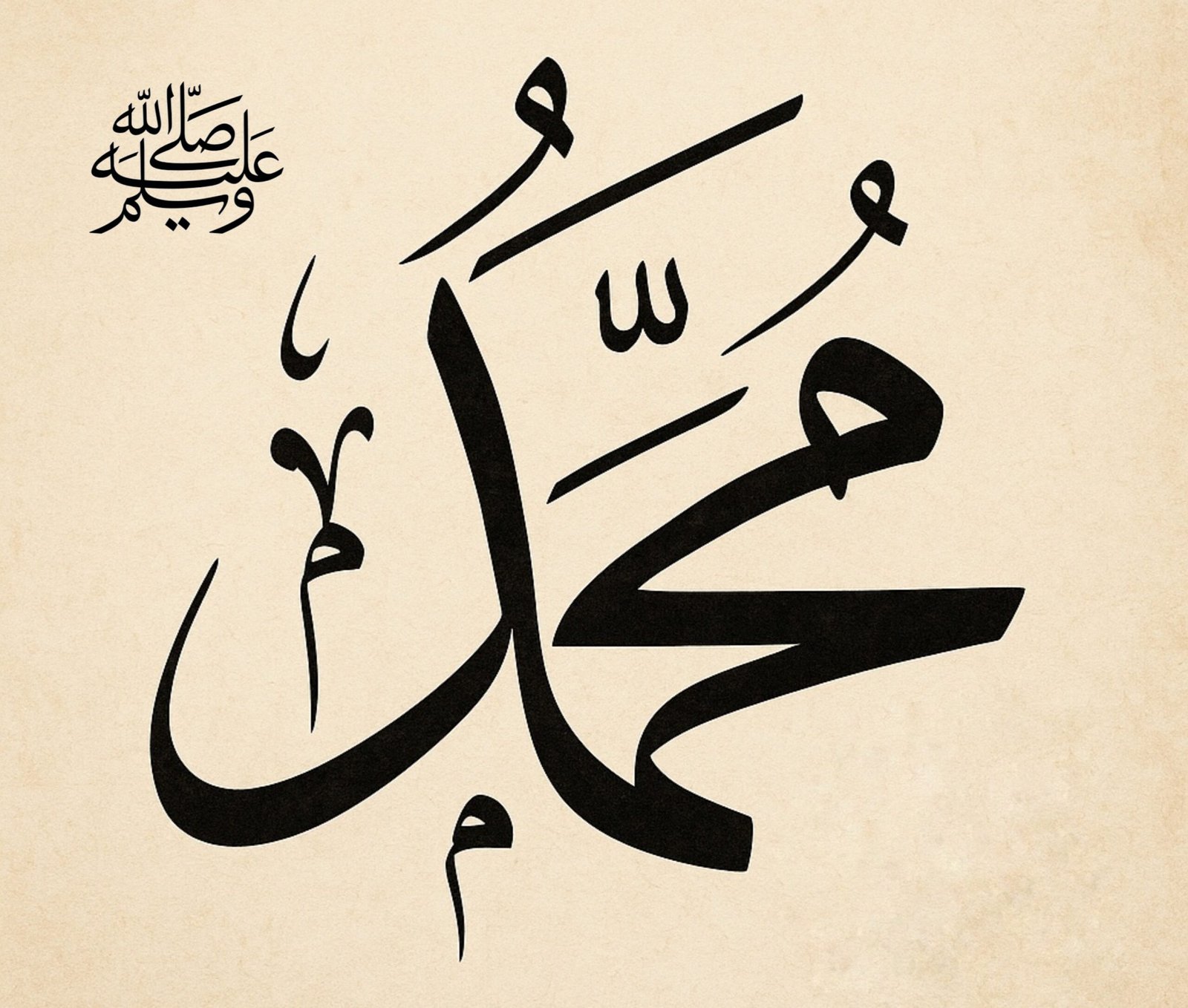
The words of Prophet Muhammad (peace be upon him), “War is deceit,” pierce through the illusions of glory often attached to conflict. This profound statement is not a justification of dishonesty but a stark revelation of war’s grim reality: a theater of manipulation, where power-hungry elites sacrifice countless lives for political supremacy. Across history, from ancient conquests to modern battlegrounds, wars have served as tools of oppression, fueled by greed, territorial ambition, and the thirst for dominance. Yet, the Qur’an offers a radically different vision—one rooted in the unity of humanity, the sanctity of life, and accountability to the Creator.
The Illusion of Glory: Wars as Brutal Power Struggles
Allāh declares in the Qur’an:
“O mankind, fear your Lord, who created you from one soul and created from it its mate and dispersed from both of them many men and women…” (Qur’an 4:1).
This verse dismantles the false hierarchies that fuel wars. Humanity, diverse in tribes and nations, shares a single origin—a Divine “soul” (nafs) from which all life emerged. Yet, rulers and tyrants throughout time have ignored this truth, reducing people to pawns in their games of deceit. The Crusades, colonialism, and modern invasions—all reflect the same pattern: the powerful few exploiting faith, ethnicity, or resources to justify bloodshed. The Qur’an condemns such oppression:
“…Do not let the hatred of a people prevent you from being just. Be just; that is nearer to righteousness…” (5:8).
War becomes a sin when waged not for justice, but to satisfy the nafs (ego) of the arrogant.
The Qur’anic Imperative: Kinship, Justice, and Taqwā
Allāh’s command in 4:1 extends beyond creation:
“Fear Allah through whom you ask one another, and be mindful of kinship ties. Indeed, Allah is ever Watchful over you.”
Here, the Qur’an intertwines taqwā (God-consciousness) with social responsibility. The “wombs” (kinship ties) symbolize the bonds that war severs: families torn apart, communities displaced, and brotherhoods shattered. To fear Allāh is to recognize that every life destroyed in war is a soul created from the same essence as our own. The Prophet (pbuh) emphasized, “A believer is the brother of another believer. He does not wrong him, nor surrender him” (Bukhari). How then can we justify wars that orphan children, widow spouses, and erase entire lineages?
Also Read | Remembering Hazrat Ali: Martyrdom on 21st Ramadan, 40 AH
Greed vs. Guidance: The Disease of the Heart
The Qur’an diagnoses the root cause of war: unchecked ambition. Allāh warns:
“Competition for worldly gains distracts you until you visit the graves!” (102:1–2).
Pharaoh, Nimrod, and modern warlords alike were blinded by arrogance, believing their power to be eternal. Yet, the Qur’an reminds us that “Allāh does not love the transgressors” (2:190). True supremacy belongs only to Allāh, yet humans repeat history’s errors, sacrificing morality for momentary control. Even in victory, the spoils of war are tainted:
“What you have of bounty is from Allāh…” (16:53).
The Path to Liberation: Rejecting Deceit, Embracing Brotherhood
Islam’s ethical framework for war, when unavoidable, is strict: protect civilians, honor treaties, and never transgress limits (2:190). But the greater jihad is the struggle against the self—to resist the greed that ignites conflict. The solution lies in 4:1’s call:
- Taqwā: Cultivate awareness that Allāh observes every action. Will exploiting the weak please Him?
- Unity: Recognize that the “enemy” is a sibling in origin. As the Prophet (pbuh) said, “None of you truly believes until he loves for his brother what he loves for himself” (Bukhari).
- Kinship: Rebuild societal bonds. Support mediation, aid victims of war, and expose corruption.
The Choice Before Us
War will persist so long as hearts are enslaved by materialism. But Allāh’s decree is clear:
“If two factions among the believers fight, then make settlement between them…” (49:9).
Let us heed 4:1—fear the Lord who created us from one soul, prioritize kinship over conflict, and replace deceit with justice. The Prophet (pbuh) taught that on Judgment Day, the first cases adjudicated will be bloodshed (Bukhari). Let us not be among those who, as the Qur’an says, “spread corruption on earth and do not reform” (26:152).
O humanity! Rise above the lies of war. Your Lord is Watchful; your brothers and sisters are weeping. The path to peace begins with the soul.
“And Allāh invites to the Home of Peace and guides whom He wills to a straight path.” (Qur’an 10:25)
❤️ Support Independent Journalism
Your contribution keeps our reporting free, fearless, and accessible to everyone.
Or make a one-time donation
Secure via Razorpay • 12 monthly payments • Cancel anytime before next cycle


(We don't allow anyone to copy content. For Copyright or Use of Content related questions, visit here.)

Ahmed Umair Zargar is a law student and contributor at The Chenab Times.