


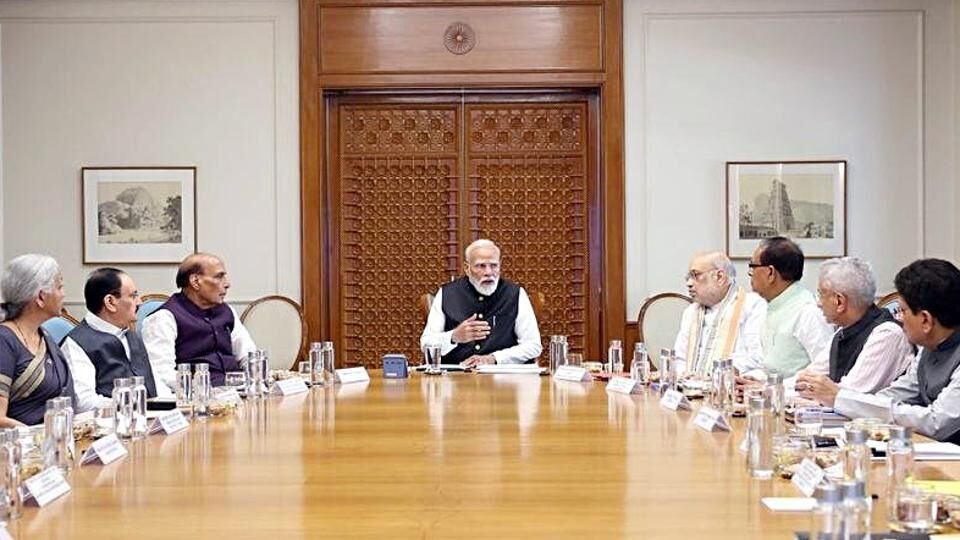
NEW DELHI: India’s Cabinet Committee on Security (CCS) convened on Wednesday evening to meticulously assess the rapidly deteriorating security situation in West Asia and its potential ramifications for the nation. The high-level meeting, held in the capital, aimed to evaluate the evolving geopolitical landscape and formulate appropriate responses.
Information was available with The Chenab Times that the deliberations followed a significant escalation in regional tensions, reportedly triggered by joint military operations by the United States and Israel on February 28, which targeted Iranian territory. Reports indicate that these strikes resulted in the loss of high-profile figures, including Iran’s Supreme Leader Ayatollah Ali Khamenei and other senior officials. This development prompted a strong retaliatory stance from Tehran, further intensifying the ongoing conflict.
Earlier, Prime Minister Narendra Modi had presided over a preparatory CCS meeting to review the unfolding crisis and assess ongoing and proposed mitigation strategies. During this session, the Cabinet Secretary provided a detailed overview of the global scenario and outlined the measures being implemented across various government ministries and departments.
The discussions encompassed the projected impact of the conflict on critical sectors of the Indian economy. Key areas of focus included agriculture, with particular attention to the availability of fertilizers for the crucial upcoming Kharif season, food security, petroleum and power supply, the Micro, Small and Medium Enterprises (MSME) sector, export trade, shipping, and overall financial stability. The macroeconomic outlook for India and strategies for future economic management in light of the international developments were also under close examination.
Officials engaged in an in-depth assessment of the short-, medium-, and long-term economic consequences for India stemming from the West Asian conflict. The dialogue included deliberation on immediate countermeasures and long-term strategies to insulate the Indian economy and ensure the nation’s strategic interests are safeguarded.
Furthermore, the meeting reviewed the domestic availability of essential commodities for Indian citizens, with a specific emphasis on food, fuel, and energy supplies. Strategies were outlined to guarantee the uninterrupted flow of these vital resources to all parts of the country. The government expressed confidence in the current stock levels of fertilizers, while concurrently exploring alternative sourcing channels to ensure adequate availability for farmers during the critical Kharif planting period, thereby addressing concerns about agricultural productivity.


The Chenab Times News Desk