


Ayatollah Ali KhameneiA
Ayatollah Ali Khamenei
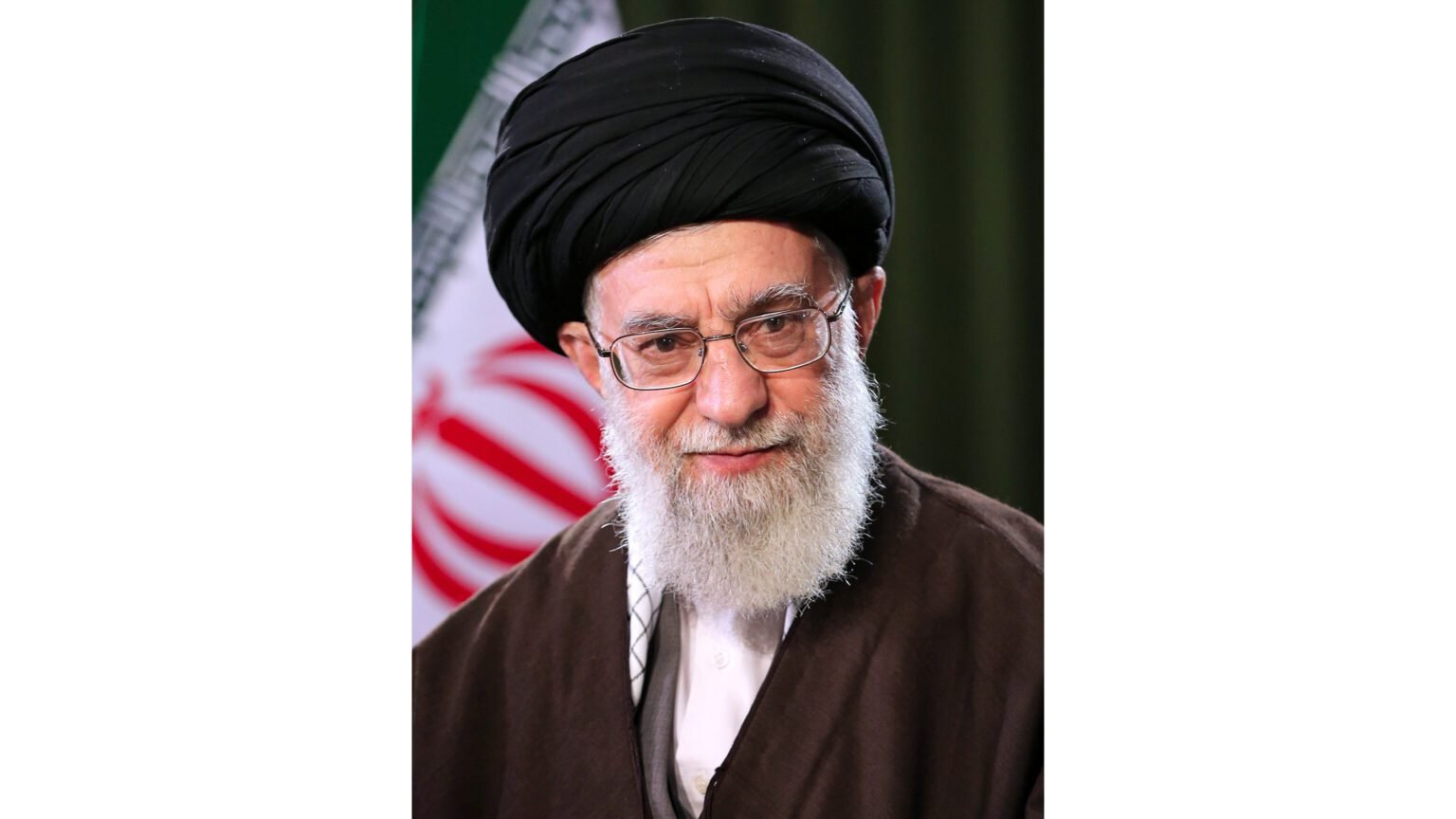
Position: Supreme Leader of Iran (1989–2026)
Born: 17 July 1939, Mashhad, Iran
Died: 1 March 2026, Tehran, Iran
Religion: Shia Islam (Twelver)
Occupation: Politician, Cleric
Preceded by: Ruhollah Khomeini
Succeeded by: Transitional Council (2026)
Known For: Central role in Iranian politics, anti-US stance, leadership during regional conflicts
Ayatollah Ali Khamenei
Ayatollah Ali Hosseini Khamenei (1939–2026) served as the second Supreme Leader of the Islamic Republic of Iran from 1989 until his death on 1 March 2026. As the highest political and religious authority in Iran, he played an essential role in shaping the country’s domestic policies, regional strategies, military posture, and ideological identity for nearly four decades. Widely regarded as one of the most influential figures in modern Middle Eastern history, Khamenei’s tenure was marked by strict governance, deep hostility toward the United States and Israel, support for regional proxy groups, and firm opposition to Western influence.
Early Life and Education
Ali Khamenei was born on 17 July 1939 in the city of Mashhad into a religious family. His father, a cleric of modest means, guided him through traditional Islamic education. Khamenei later pursued advanced religious studies in Qom and Mashhad, where he became a disciple of several prominent scholars. His early activism was grounded in opposition to the monarchy of Mohammad Reza Shah Pahlavi, positioning him among revolutionary clerics long before the 1979 Islamic Revolution.
Role in the Islamic Revolution
During the 1970s, Khamenei emerged as an influential revolutionary voice aligned with Ayatollah Khomeini’s movement. He was arrested several times for his political activities and spent years under surveillance. After the 1979 revolution toppled the Pahlavi monarchy, he quickly ascended the ranks of Iran’s new political structure, becoming a member of parliament and later serving as Tehran’s Friday Prayer leader—an important ideological role.
President of Iran (1981–1989)
Khamenei served two terms as President of Iran from 1981 to 1989, during the turbulent years of the Iran–Iraq War. His presidency focused on wartime governance, consolidation of the Islamic Republic’s institutions, and suppression of opposition groups. Despite holding the office of president, he operated under the shadow of the Supreme Leader, Ayatollah Khomeini, who held ultimate authority.
Supreme Leader of Iran (1989–2026)
After the death of Khomeini in 1989, Khamenei was selected as Supreme Leader. His appointment marked the beginning of a long era of centralized authority, marked by the expansion of Iran’s security forces, strengthening of the Revolutionary Guard, and a doctrine of resistance toward Western powers. Under his leadership, Iran developed extensive influence across the Middle East through alliances and proxy groups.
Domestic Governance
Khamenei oversaw a strict political environment, with limited tolerance for dissent. Movements such as the 2009 Green Movement and various protests over economic issues were met with harsh crackdowns. Civil liberties, press freedom, and political opposition faced significant restrictions throughout his tenure.
Foreign Policy and Regional Influence
He maintained a steadfast stance against the United States and Israel, framing Iran’s foreign policy around resistance. Iran’s support for groups such as Hezbollah in Lebanon, various militias in Iraq, and the Syrian government during its civil war strengthened its strategic presence in the region. His leadership also oversaw Iran’s nuclear advancements, which sparked decades of international negotiations and sanctions.
Later Years and Death
Khamenei’s final years were dominated by escalating tensions with the United States and Israel, particularly regarding Iran’s nuclear program and regional alliances. On 1 March 2026, he died at the age of 86 following a period of severe geopolitical turmoil, including a joint U.S.-Israeli military strike targeting Tehran. His death triggered a major turning point in Iranian politics and the wider Middle East.
Legacy
Ayatollah Ali Khamenei leaves behind a complex and deeply consequential legacy. Supporters view him as a guardian of Iran’s revolutionary principles and a defender of national sovereignty. Critics argue that his rule entrenched authoritarianism, limited personal freedoms, and intensified regional conflict. Regardless of perspective, his nearly four-decade leadership shaped the trajectory of Iran and influenced regional dynamics in profound ways that will continue to unfold long after his passing.
Impact on Global Politics
Khamenei’s era influenced global energy markets, international diplomacy, military strategies, and ideological debates across the world. His confrontational posture with the West created repeated diplomatic standoffs, while his alliances and regional interventions reshaped political realities in Iraq, Syria, Lebanon, and Yemen. His death has opened a period of uncertainty regarding Iran’s future leadership and geopolitical role.
❤️ Support Independent Journalism
Your contribution keeps our reporting free, fearless, and accessible to everyone.
Or make a one-time donation
Secure via Razorpay • 12 monthly payments • Cancel anytime before next cycle



(We don't allow anyone to copy content. For Copyright or Use of Content related questions, visit here.)
