


The United Kingdom is spearheading an international diplomatic initiative, gathering over 30 nations for a virtual meeting to devise strategies for reopening the vital Strait of Hormuz, a crucial global shipping artery currently hampered by conflict.
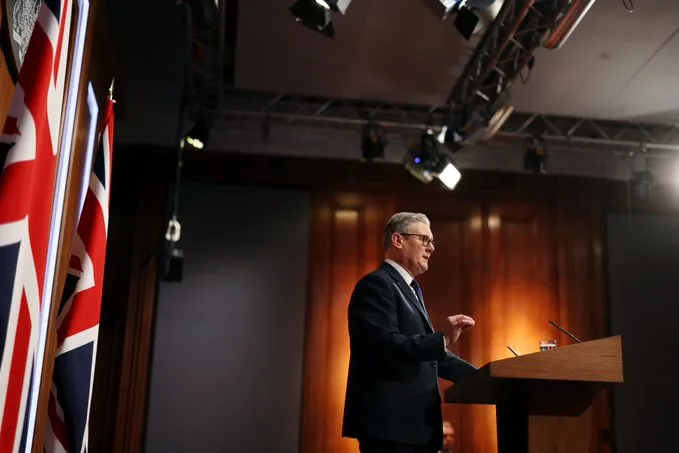
According to details received by The Chenab Times, the meeting, scheduled for Thursday, aims to exert diplomatic and political pressure to restore freedom of navigation through the waterway, which has been significantly impacted by ongoing hostilities involving Iran. British Prime Minister Keir Starmer indicated that the discussions would focus on assessing all viable measures to ensure the safety of vessels and seafarers, and to resume the flow of essential commodities.
The Strait of Hormuz, connecting the Persian Gulf to international waters, has become a focal point of tension, with reported Iranian actions against commercial shipping threatening to disrupt global oil supplies and drive up petroleum prices. While the United States is not participating in this specific diplomatic gathering, emphasizing that allies should take responsibility for securing their own energy routes, European nations are coordinating efforts to address the escalating crisis.
The urgency of the situation is underscored by the fact that no single nation appears willing to unilaterally enforce passage through the strait by military means while Iran possesses anti-ship missiles, drones, attack craft, and mines. However, British officials have stated that military planners from participating nations will convene separately in the near future to develop strategies for ensuring shipping security once active fighting subsides.
A joint statement has been issued by 35 countries, including the UK, France, Germany, Italy, Canada, Japan, and the United Arab Emirates, demanding that Iran cease its efforts to block the strait. These nations have pledged to contribute to efforts aimed at guaranteeing safe passage through the critical maritime chokepoint.
This initial diplomatic meeting is considered the first phase of a broader effort, which will be followed by working-level discussions among officials to elaborate on concrete plans. Prime Minister Starmer acknowledged the complexity of resuming shipping operations, emphasizing the need for a unified approach combining military preparedness and diplomatic engagement, in conjunction with the maritime industry.
The coordinated international approach draws parallels with previous coalitions formed to support security initiatives, such as the effort to bolster Ukraine’s security post-ceasefire. This diplomatic push also serves as a demonstration of European commitment to enhancing regional security, particularly in light of recent suggestions that the United States might reconsider its NATO commitments. The imperative for strengthened continental defense mechanisms has been amplified by these broader geopolitical considerations.


The Chenab Times News Desk