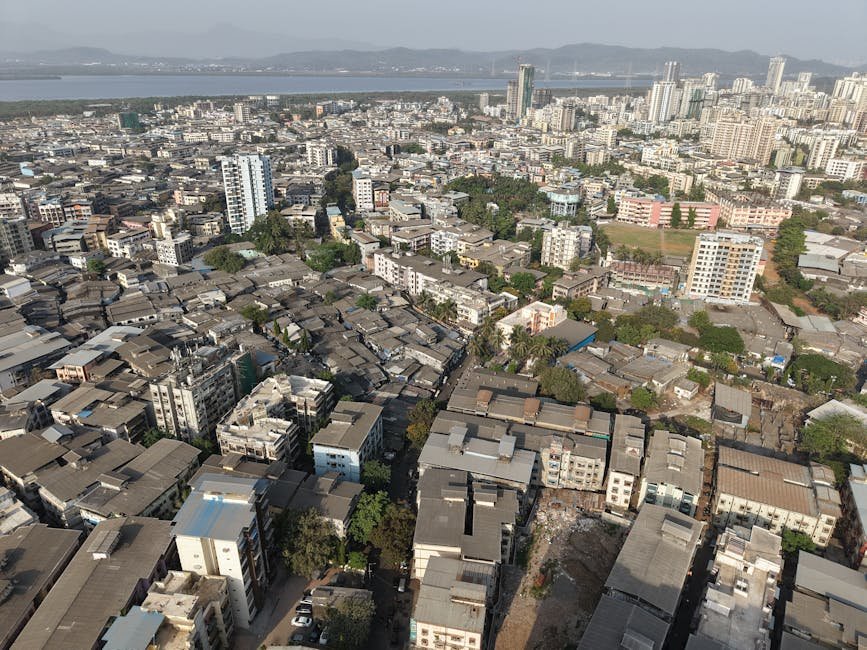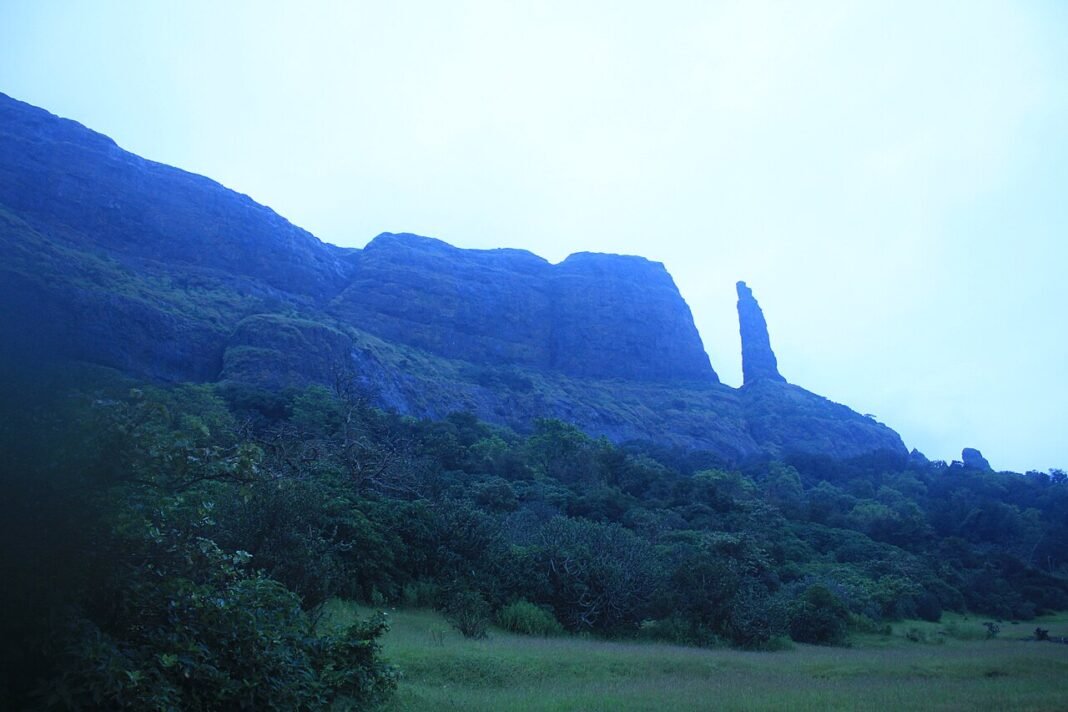
While much of Maharashtra has been inundated by severe monsoon downpours, Mumbai has largely remained dry, experiencing only light drizzles. The heaviest rainfall has concentrated along the Konkan coast, severely impacting districts south of Mumbai.
The Chenab Times has learned that several districts in Maharashtra’s Konkan region, including Ratnagiri, Raigad, and Palghar, have been experiencing intense rainfall for several days, leading to waterlogging, traffic disruptions, and concerns over potential landslides. This localized but severe weather pattern has spared the bustling metropolis of Mumbai, which has seen significantly less precipitation compared to its neighbouring areas.
Meteorological departments have indicated that the monsoon trough has been positioned in a manner that directs the bulk of the moisture and intense rainfall towards the southern parts of the Konkan coast and adjoining areas. This phenomenon is not uncommon, as specific atmospheric conditions can lead to highly localized areas of heavy rainfall while leaving adjacent regions relatively unaffected. The contrast between the deluge in parts of Maharashtra and the comparative calm in Mumbai has been a subject of discussion and concern for residents and authorities alike.
In Ratnagiri, for instance, reports indicate that several low-lying areas have been submerged, and the local administration has been on high alert, issuing advisories to residents. Similar situations have been reported in Raigad, where rivers have been flowing close to the danger mark. Palghar district has also witnessed significant rainfall, impacting normal life and agricultural activities.
The India Meteorological Department (IMD) had previously issued red and orange alerts for various coastal and interior districts of Maharashtra, signaling the intensity of the expected rainfall. While these alerts have been largely justified for the Konkan belt, Mumbai has received a reprieve, with forecasts suggesting only scattered light to moderate showers over the next few days.
This differential rainfall pattern highlights the complex nature of monsoon behaviour in India, where regional variations can be substantial even within the same state. Experts attribute these localized downpours to factors such as the precise positioning of the monsoon trough, the presence of low-pressure systems, and the interaction of the monsoon currents with local topography.
The Mumbai Metropolitan Region (MMR), which includes Mumbai city and its surrounding areas, has seen significantly lower rainfall totals compared to the southern Konkan districts. This has led to a sigh of relief for the city’s residents, who often face severe waterlogging and traffic chaos during heavy monsoon spells. However, authorities remain vigilant, acknowledging that Mumbai is not entirely immune to the monsoon’s fury and that conditions can change rapidly.
The contrast in rainfall amounts has also prompted discussions about water resource management. While districts experiencing heavy downpours might see their reservoirs replenished, the lack of substantial rain in Mumbai raises questions about its water supply if the monsoon season were to be less bountiful overall.
The IMD continues to monitor the situation closely, with updated forecasts expected daily. The focus remains on the Konkan region, where relief efforts are underway, and the administration is working to mitigate the impact of the heavy rainfall on the population and infrastructure. Meanwhile, Mumbai experiences a temporary pause in the monsoon’s intensity, a stark difference from the severe weather battering its neighbouring coastal areas.
❤️ Support Independent Journalism
Your contribution keeps our reporting free, fearless, and accessible to everyone.
Or make a one-time donation
Secure via Razorpay • 12 monthly payments • Cancel anytime before next cycle


(We don't allow anyone to copy content. For Copyright or Use of Content related questions, visit here.)

The Chenab Times News Desk