


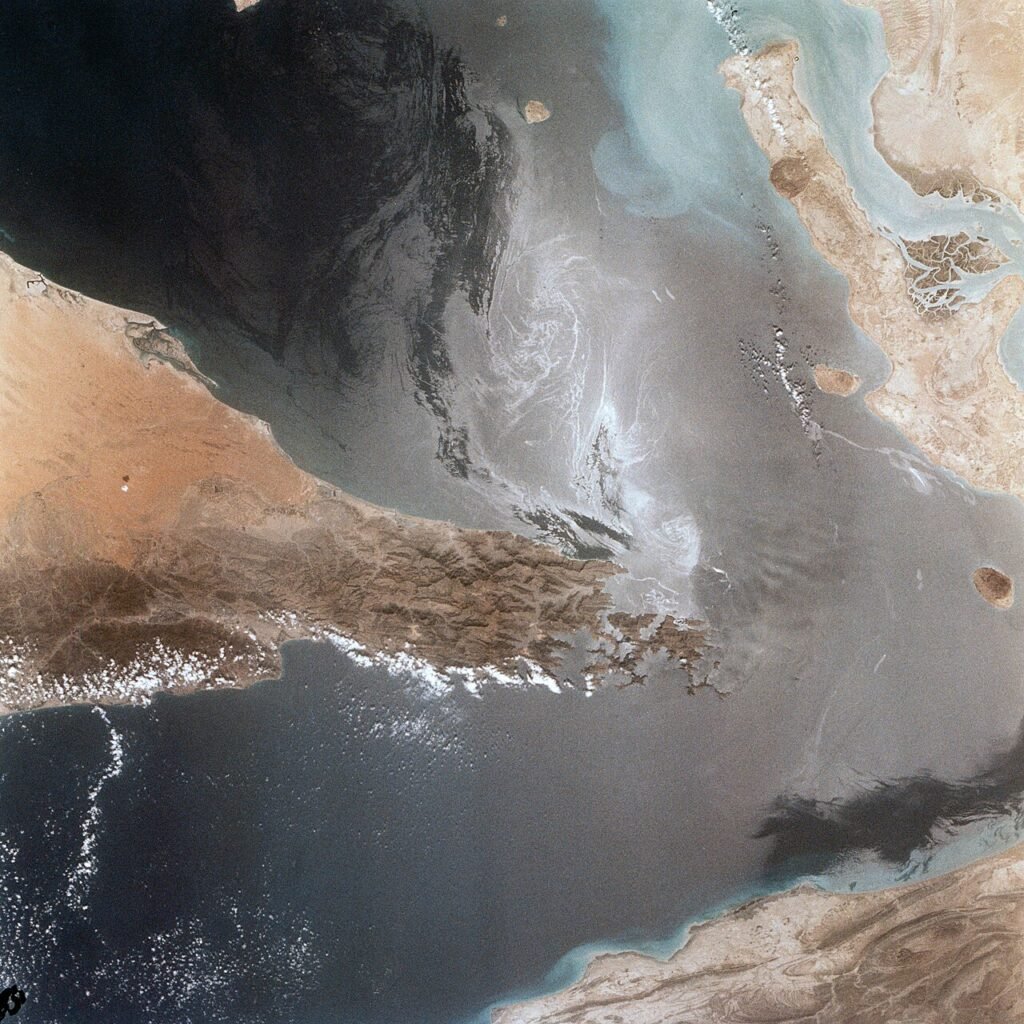
In a significant diplomatic breakthrough amid weeks of intense conflict, the United States and Iran have agreed to a two-week ceasefire, contingent on the full reopening of the Strait of Hormuz, a critical chokepoint for global oil supplies. Pakistan played a pivotal mediating role in facilitating the agreement, with talks now expected to shift to Islamabad for further negotiations.
The ceasefire, announced by US President Donald Trump, aims to pause hostilities that escalated dramatically since February, involving US and Israeli strikes on Iranian targets and Iranian retaliatory actions. While both sides have claimed elements of victory, analysts describe the deal as a temporary measure that provides breathing room for diplomacy but leaves core issues—such as Iran’s nuclear program, regional proxies, and sanctions—unresolved.
Background: Escalation and the Looming Deadline
The conflict intensified with US and Israeli operations targeting Iranian infrastructure, including military sites on Kharg Island, bridges, railways, and other assets. Strikes reportedly hit civilian areas and even a synagogue in central Tehran. Iran rejected initial temporary ceasefire proposals, instead presenting a 10-point plan for a comprehensive end to hostilities. Key demands included:
- Recognition of Iran’s right to uranium enrichment
- Lifting of primary and secondary sanctions
- Termination of UN Security Council and IAEA resolutions
- Compensation for damages
- Withdrawal of US forces from the region
- A broader regional ceasefire encompassing Lebanon and other fronts
Iran warned of severe retaliation, including potential disruption of regional energy supplies, and called on citizens to form human chains around power plants to protect critical infrastructure. As President Trump’s deadline approached, threats of escalated strikes on Iranian energy and civilian infrastructure raised global alarms.
Pakistan, through Prime Minister Shehbaz Sharif and Chief of Army Staff Field Marshal Asim Munir, actively mediated by urging extensions and facilitating back-channel communications. Iran later expressed gratitude to Pakistani leaders for their efforts in de-escalation.
Key Terms of the Ceasefire
The agreement, reached just hours before Trump’s ultimatum expired, includes:
- A 14-day pause in offensive operations by the US and Iran.
- Reopening of the Strait of Hormuz under Iranian military coordination for safe passage of vessels.
- A unique arrangement allowing Iran and Oman to jointly collect transit fees from ships passing through the strait. Revenue is expected to support Iran’s reconstruction efforts. This marks a departure from the strait’s traditional status as an international waterway without tolls.
Iran’s Supreme National Security Council and Supreme Leader Mojtaba Khamenei instructed military units to halt firing, while cautioning that the conflict is “not over” and forces remain ready to respond to any violations. Iran’s Foreign Minister Abbas Araghchi indicated that negotiations could proceed based on Iran’s 10-point framework alongside the US 15-point proposal, with the US reportedly accepting Iran’s nuclear enrichment rights in principle.
Israel has backed the broader contours of the ceasefire but explicitly excluded operations against Hezbollah in Lebanon from the deal. Fresh Israeli strikes were reported in southern Lebanon, including near Baraachit and Tyre, highlighting persistent tensions on that front.
An Iran-aligned group, the Islamic Resistance in Iraq, announced a two-week suspension of its regional operations in alignment with the ceasefire.
Market Reactions and Economic Impact
Global markets responded positively to the news. Oil prices plunged sharply—West Texas Intermediate fell nearly 20% and Brent crude declined about 16%—as fears of prolonged disruption to the Strait of Hormuz (which carries roughly one-fifth of global oil supply) eased. Equity markets rallied, with strong gains in Asia (Seoul, Tokyo, Hong Kong, Shanghai, and others) and positive openings expected for major indices.
In India, oil-linked stocks surged up to 9%, boosting shares of Reliance Industries, Hindustan Petroleum (HPCL), Indian Oil Corporation (IOCL), and Bharat Petroleum (BPCL). Strategists noted that markets are pricing in further de-escalation, though broader economic effects on households and a full return to pre-conflict stability remain uncertain.
Regional and International Responses
- India issued an advisory urging its nationals in Iran to “expeditiously exit” the country, recommending coordination for safe departure routes.
- Australia welcomed the ceasefire as an important step toward de-escalation and expressed concerns over prior disruptions to energy supplies and fuel prices.
- China was credited by President Trump with helping persuade Iran to engage in talks.
- Pro-government protesters in Tehran took to the streets, chanting against the US and Israel and burning flags, reflecting hard-line sentiments despite the diplomatic progress.
The White House hailed the ceasefire as a US victory, with Press Secretary Karoline Leavitt stating that military pressure created leverage for negotiations. President Trump described it as a “total and complete victory,” noting that core objectives were achieved in 38 days rather than the anticipated four to six weeks. He also mentioned US assistance with traffic management in the reopened strait.
Path Forward: Negotiations in Islamabad
Attention now shifts to diplomatic negotiations scheduled to begin in Islamabad on Friday. Pakistan’s mediation has been widely acknowledged, with Iran preparing to engage based on its 10-point plan. Key sticking points remain, including the scope of any permanent deal, Iran’s regional influence, and long-term security guarantees.
Analysts view the ceasefire as a partial win for Trump, providing short-term political relief and averting immediate escalation, but warn of high political costs and challenges ahead. Iran’s Supreme Leader emphasized that the pause does not end the war, while Israeli operations against Hezbollah continue.
Despite the agreement, isolated incidents persisted, including reported missile alerts across the UAE, Saudi Arabia, and Israel, and a gas facility incident in Abu Dhabi. Casualty figures since February stand at nearly 2,000 in Iran and over 1,500 in Lebanon.
Implications for Regional Stability
This fragile de-escalation offers a window for dialogue but underscores the volatility of the Middle East. The involvement of multiple actors—Pakistan’s mediation, potential Chinese influence, and ongoing Israeli-Lebanese dynamics—adds layers of complexity.
The joint Iran-Oman transit fee mechanism could set a precedent for regional control over vital waterways, with proceeds aiding reconstruction. However, any violation during the two-week period risks rapid resumption of hostilities.
As negotiations commence, the international community will watch closely whether this temporary truce evolves into a lasting framework for peace or merely delays further confrontation. The Chenab Times will continue monitoring developments from Islamabad and across the region.
This article compiles updates from The Chenab Times live coverage on April 8, 2026. For the latest developments, visit our homepage.


The Chenab Times News Desk