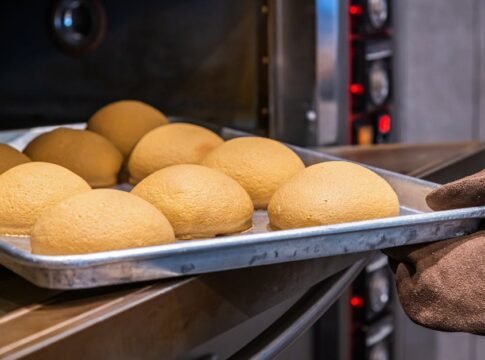
Mumbai’s iconic ladi pav is under threat as a severe shortage of commercial Liquefied Petroleum Gas (LPG) cylinders cripples the city’s baking industry. Hundreds of bakeries, many of which recently transitioned to gas-based ovens following environmental directives, are facing potential shutdowns, jeopardizing a staple food for millions.
LPG Shortage Deepens Crisis for Mumbai Bakeries
The ongoing crisis, exacerbated by a global geopolitical situation impacting fuel supply chains, has led to a drastic scarcity of commercial LPG cylinders. This has forced many bakeries to operate at reduced capacity or halt production altogether. According to the Mumbai Bakery Association, approximately 600 bakeries, out of nearly 1,200 registered with the BMC, rely on LPG to power their ovens. These establishments are responsible for producing around 3.2 million pavs daily, a significant portion of the city’s estimated daily consumption of over 7 million pavs.
Impact on Food Chain and Livelihoods
The disruption in ladi pav production has a cascading effect on Mumbai’s vibrant food ecosystem. Street food vendors, small eateries, and popular Irani cafes, all heavily dependent on a consistent supply of pav, are experiencing a crunch. Some bakers have resorted to sourcing cylinders from the black market at exorbitant prices, paying upwards of Rs 4,000 per cylinder, with no guarantee of availability. This has led to a sharp decline in production, with some bakeries reducing output by as much as 30 percent.
The situation has also led to price increases for various bakery products. While some establishments are attempting to absorb the rising costs, many are being forced to hike prices for items like pav, bread, toast, and khari. The Indian Hotel & Restaurant Association (AHAR) indicated that a majority of Mumbai’s eateries have already raised prices by 10 to 20 percent due to increased fuel and input costs.
Environmental Directives Lead to Fuel Dependency
The current predicament is partly a consequence of environmental regulations. Following court-mandated directives aimed at reducing air pollution, numerous bakeries were compelled to phase out their traditional wood-fired ovens in favour of cleaner, gas-based systems. This transition, involving significant investment in new equipment, has rendered these bakeries highly dependent on a stable supply of LPG. The irony is that the shift to environmentally friendly fuels has now left them vulnerable to fuel scarcity.
The Mahanagar Gas Limited (MGL), Mumbai’s piped natural gas (PNG) supplier, has also imposed a 20 percent cut on gas offtake by bakeries, further compounding the problem. This directive, following a central order, restricts bakeries to using only 80 percent of their average gas consumption over the past six months. Exceeding this cap risks penal tariffs or disconnection of supply.
Concerns Over Future Supply and Protests
Industry representatives have voiced serious concerns about the potential paralysis of Mumbai’s food chain and the threat to livelihoods. Khodadad Irani, President of the Indian Bakers Association (IBA), warned that if the situation is not resolved quickly, it could lead to widespread shutdowns, affecting close to a million jobs linked to the bakery and street food sector. He highlighted that bakeries played a crucial role during the COVID-19 pandemic, ensuring food supply even under risky conditions, and expressed dismay at the current predicament.
In response to the escalating crisis, some bakers have issued warnings of protests if the government does not intervene proactively to normalize commercial LPG quotas and ensure consistent fuel supply. The potential disruption extends beyond pav, impacting a wide range of bakery products that are integral to the daily lives of Mumbaikars. The scarcity of this essential commodity threatens to leave the city’s vibrant street food culture in jeopardy.
❤️ Support Independent Journalism
Your contribution keeps our reporting free, fearless, and accessible to everyone.
Or make a one-time donation
Secure via Razorpay • 12 monthly payments • Cancel anytime before next cycle


(We don't allow anyone to copy content. For Copyright or Use of Content related questions, visit here.)

The Chenab Times News Desk