


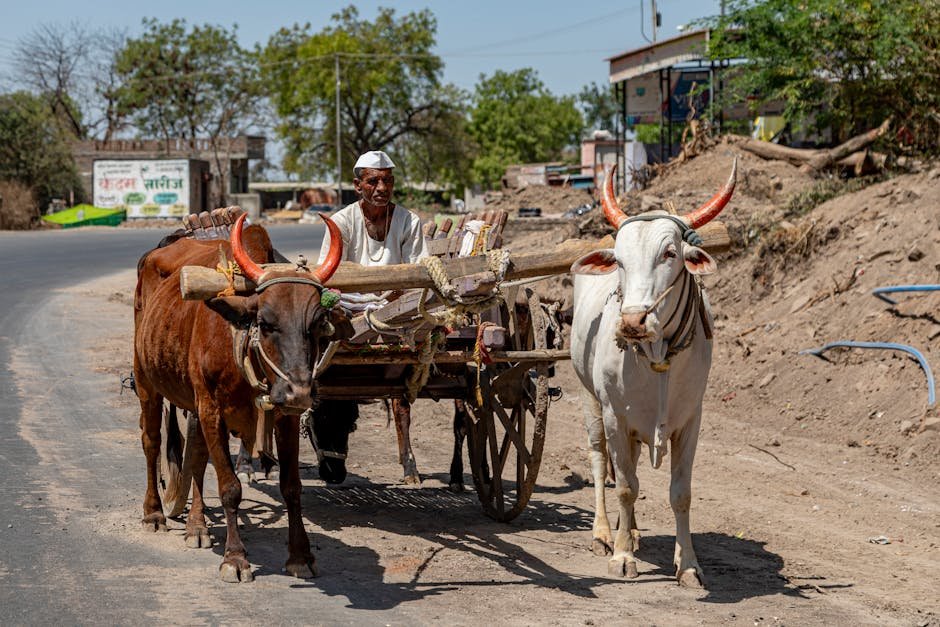
In the fertile regions along the Krishna River, a collective initiative known as Mission Khapli is making significant strides in ensuring that local farmers receive equitable compensation for their Emmer wheat harvest. This ancient grain, historically cultivated for subsistence, is gaining renewed attention for its health benefits and versatility in traditional dishes, prompting a concerted effort to improve its market value.
The Chenab Times has learned that Mission Khapli acts as a crucial intermediary, connecting farmers with markets that recognize and reward the quality and nutritional value of Emmer wheat. This intervention is particularly vital in areas where farmers have traditionally been at a disadvantage in price negotiations, often selling their produce at rates that barely cover cultivation costs.
Emmer wheat, scientifically known as Triticum dicoccum, is one of the oldest cultivated wheat species. Its cultivation is concentrated in specific regions, including parts of Karnataka and Maharashtra, where it has been a staple for generations. The grain is prized for its nutty flavour and is a key ingredient in dishes such as upma, a popular South Indian breakfast cereal, and Kesari Bath, a sweet semolina pudding. In recent years, its appeal has broadened significantly among health-conscious consumers who are increasingly seeking out ancient grains and nutrient-dense food options.
The mission’s strategy involves consolidating the produce from numerous smallholder farmers. By aggregating a larger quantity of Emmer wheat, Mission Khapli can negotiate from a position of strength with wholesalers, food processors, and retailers. This collective bargaining power directly translates into better prices for the farmers, enabling them to invest more in their farms, adopt improved cultivation techniques, and enhance their livelihoods. The initiative also focuses on educating farmers about the market potential of Emmer wheat and the importance of maintaining quality standards.
Beyond price enhancement, Mission Khapli is also fostering a sense of community and shared purpose among the farming populace. The project encourages the sharing of best practices in cultivation, pest management, and post-harvest handling, leading to a more resilient and efficient agricultural ecosystem. This collaborative approach is vital in a region where farming often faces challenges such as unpredictable weather patterns and fluctuating market demands.
The resurgence of interest in Emmer wheat aligns with a growing global trend towards sustainable agriculture and healthier eating habits. As consumers become more discerning about the origin and nutritional content of their food, grains like Emmer wheat, with their rich history and inherent health benefits, are poised for a significant market expansion. Mission Khapli is strategically positioned to capitalize on this trend, acting as a catalyst for positive change in the agrarian economy of the Krishna River basin.
The success of Mission Khapli underscores the potential of community-led initiatives in addressing the economic vulnerabilities of farmers. By leveraging collective action and market intelligence, the program is not only securing better financial returns for farmers but also promoting the cultivation of a historically significant and nutritionally valuable crop. This model of farmer empowerment could serve as a blueprint for other agricultural communities seeking to enhance the value of their produce and secure a more prosperous future.


The Chenab Times News Desk