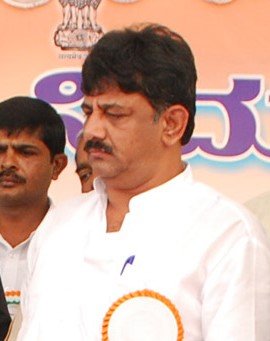
The Karnataka government is moving forward with a controversial proposal to reclaim residential plots allotted by government agencies, including the Bangalore Development Authority (BDA), if construction is not completed within five years of allotment. This policy, announced by Chief Minister D.K. Shivakumar, aims to prevent vacant sites from becoming garbage dumping grounds and neglected urban spaces.
New Policy Aims to Curb Vacant Plots
Chief Minister Shivakumar stated that the proposed measure is intended to ensure that government-allotted sites are utilized for building homes rather than remaining vacant for extended periods. The policy will apply to plots allotted by various agencies such as the BDA, the former City Improvement Trust Board (CITB), other civic bodies, and cooperative housing societies. According to the government, many of these vacant plots have been undeveloped for decades, contributing to sanitation issues and degrading the quality of life in surrounding neighborhoods.
The government has indicated that it will refund the amount paid by plot owners for these reclaimed sites, along with applicable interest. As an alternative enforcement measure, authorities are also considering the imposition of double property tax on long-vacant sites. Shivakumar emphasized that beneficiaries of government-allotted sites have a civic responsibility to build homes and maintain their properties.
Allottees Express Discontent
The proposal has met with criticism from site allottees, who argue that the five-year deadline is unrealistic and that the government agency itself bears responsibility for many of the reasons plots remain undeveloped. Critics point to issues such as pending litigation and the BDA’s failure to provide basic amenities as significant obstacles to construction. Some allottees suggest that the BDA should address these systemic issues rather than imposing a blanket penalty on owners.
Concerns have also been raised about the practical implementation of the policy, with some questioning the BDA’s capacity to manage the reclamation process given its existing resources. The Bangalore Development Authority (Allotment of Sites) Rules, 1984, outline the procedures for site allotment, including eligibility criteria, payment terms, and cancellation policies. These rules have seen amendments over time, such as the 2018 amendment affecting specific layouts and categories of allottees.
Context of BDA Site Allotment
The Bangalore Development Authority (BDA) is the statutory planning authority for Bengaluru, responsible for urban planning, land development, and the allocation of plots and flats. The BDA’s mandate includes developing residential areas, constructing roads, and managing city utilities. Site allotment by the BDA has historically involved processes such as lotteries and e-auctions, with eligibility criteria requiring applicants not to own property already allocated by similar authorities within the Bangalore Metropolitan Area. The BDA also reserves a portion of plots for landowners who contribute land for development projects.
However, the process of acquiring a BDA site has often been lengthy, with some reports indicating wait times of 25 to 30 years. This has led many individuals to seek alternative options, such as purchasing sites from previous allottees or participating in e-auctions, which often require significant financial capacity. The BDA has also faced challenges related to illegal layouts and encroachment, prompting public awareness campaigns to guide homebuyers.
Government’s Stance and Future Implications
The Karnataka government maintains that the new policy is necessary to ensure the planned development of the city and to prevent the misuse of public resources. The Chief Minister highlighted that many allottees have left their sites vacant for 20, 30, or even 40 years, allowing them to become dumping grounds for waste. He stressed that if plots are not developed, the government has no alternative but to resume them, after refunding the original payment with interest.
The government is also exploring measures such as imposing double property tax on undeveloped plots as a deterrent. The announcement comes amidst ongoing efforts to improve urban planning and waste management in Bengaluru, including initiatives like the ‘Freedom from Waste’ campaign. The success and reception of this new policy will likely depend on its implementation and the government’s ability to address the concerns raised by site allottees regarding existing systemic challenges.
❤️ Support Independent Journalism
Your contribution keeps our reporting free, fearless, and accessible to everyone.
Or make a one-time donation
Secure via Razorpay • 12 monthly payments • Cancel anytime before next cycle


(We don't allow anyone to copy content. For Copyright or Use of Content related questions, visit here.)

The Chenab Times News Desk