


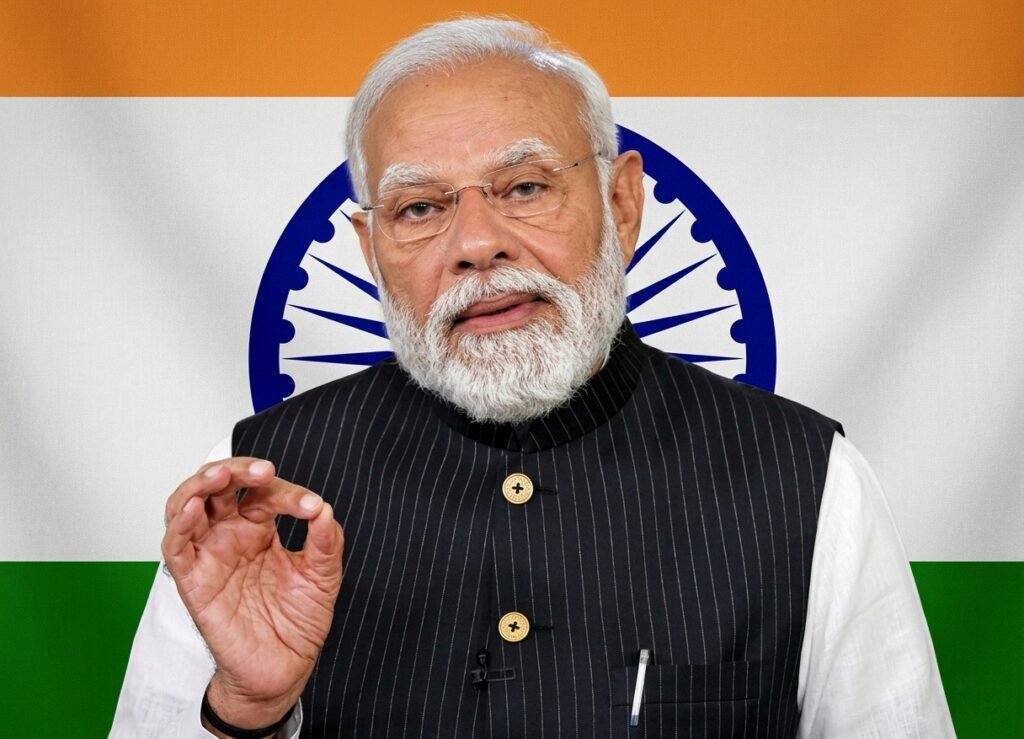
NEW DELHI, Sep 11 – Prime Minister Narendra Modi held extensive bilateral discussions with Russian President Vladimir Putin, focusing on bolstering annual trade to $100 billion by 2030 and deepening cooperation across defence, energy, and critical minerals.
Information was available with The Chenab Times that President Putin arrived in New Delhi for a three-day visit, primarily to attend the BRICS summit.
The discussions between the two leaders were anticipated to cover a broad spectrum of bilateral ties. A significant aspect of the talks was expected to be the enhancement of defence cooperation, with ongoing discussions on potential upgrades for the BrahMos missile system. Russia has reiterated its commitment to fulfilling existing S-400 system deliveries and exploring the supply of Su-57 fighter jets.
In the energy sector, the robust ties between India and Russia were highlighted, with both nations looking into negotiations for India’s plans to establish new civil nuclear reactors. This engagement signals a continued strategic partnership in nuclear energy development.
The meeting followed a recent encounter between Prime Minister Modi and President Putin on the sidelines of the SCO summit in Bishkek. During that interaction, Prime Minister Modi had emphasized the need for an immediate cessation of hostilities and urged a shift from prolonged conflict towards de-escalation.
The ongoing conflict in Ukraine and potential roadmaps for peace were expected to be prominent topics in their New Delhi deliberations. This diplomatic engagement occurs amidst renewed international efforts, including those from the Trump administration, to facilitate a resolution to the conflict.
Sources indicated that the two sides were keen on achieving the ambitious bilateral trade target of $100 billion by 2030. This objective underscores a commitment to expanding economic ties beyond current levels.
Further areas for discussion included expanding industrial cooperation, collaboration in the rail sector and tunnelling projects, developing the steel value chain, and increasing access for Indian exporters to the Russian market. These initiatives aim to foster a more integrated and diverse economic relationship.
The strengthening of civil nuclear cooperation, encompassing fuel cycle and life cycle support, was also a key agenda item. Additionally, discussions were slated to address the increased mobility of skilled Indian labourers to Russia and broader cooperation in the realm of critical minerals, reflecting a shared interest in resource management and workforce mobility.


The Chenab Times News Desk