


Global oil prices have fallen below the critical $100 per barrel mark as Saudi Arabia restarts its vital East-West crude oil pipeline and as renewed hopes for diplomatic resolution between the United States and Iran emerge.
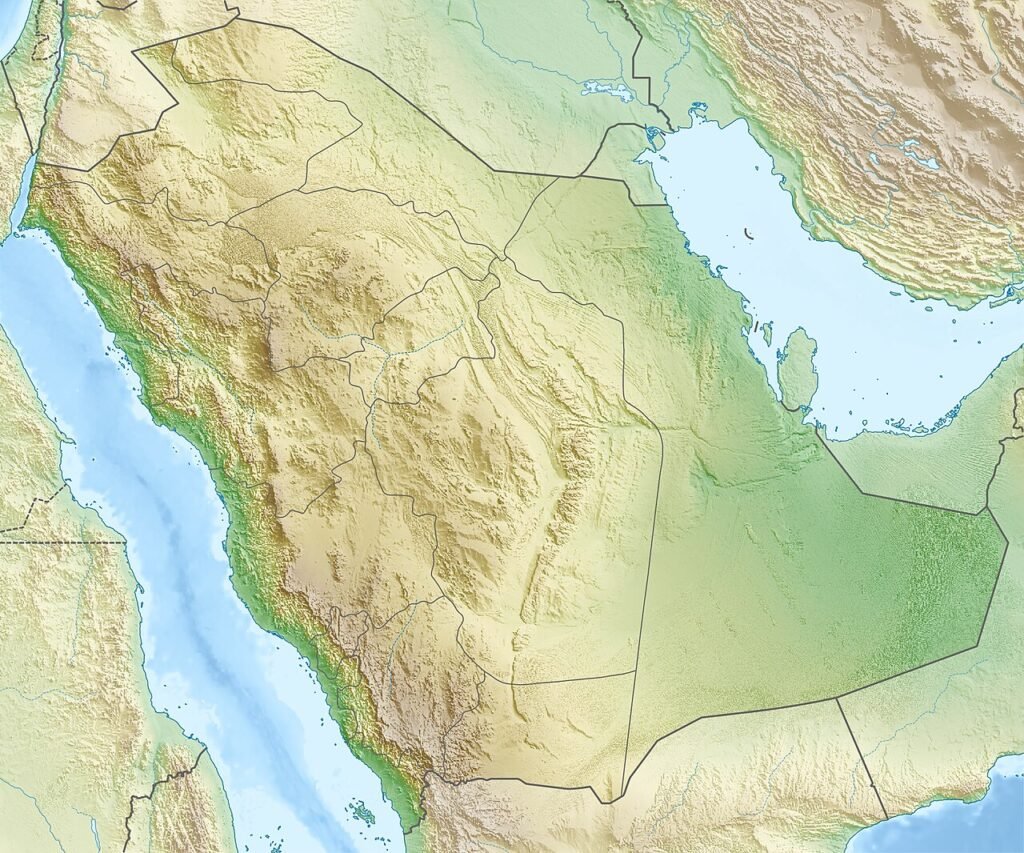
Information was available with The Chenab Times indicating that Brent crude, the international benchmark, fell below $100 a barrel on Tuesday, September 22, 2026, trading around $98.30. This marks a significant retreat from prices nearing $110 just the previous week. The decline comes as Saudi Arabia is in the early stages of restarting its East-West pipeline, a crucial artery that bypasses the Strait of Hormuz. The pipeline, which had been shut down on September 13 following drone attacks, is now building pressure and aims for a meaningful restart of flows by September 26, according to sources familiar with the matter. The resumption of exports via the Red Sea port of Yanbu is expected to ease pressure on global oil supplies.
The drone attacks, reportedly launched from Iraqi territory amid the wider 2026 Iran war, damaged pumping stations along the pipeline, which normally transports an estimated 4 to 5 million barrels per day. The International Energy Agency (IEA) has identified Saudi Arabia’s East-West system as one of the limited operational crude routes capable of bypassing the Strait of Hormuz, highlighting its strategic importance. Saudi Aramco is working to bypass damaged infrastructure to restore flows, with a target to return the pipeline to full capacity in approximately six weeks. Even a partial restart is anticipated to bring some relief to a market that has faced significant supply constraints.
Concurrently, a potential diplomatic breakthrough between the United States and Iran appears to be influencing market sentiment. Reports suggest that Iran’s leadership has indicated a willingness to reopen the Strait of Hormuz within seven days if U.S. military pressure and the blockade of Iranian ports are eased. This diplomatic overture, coupled with the anticipated increase in Saudi oil flow, has contributed to the downward pressure on oil prices. The ongoing conflict in the Middle East has been a primary driver of oil price volatility throughout 2026, with disruptions to shipping routes and energy infrastructure heightening supply concerns.
The market has experienced significant fluctuations, with Brent crude recently surging past $107 per barrel due to escalating tensions. The U.S. Energy Information Administration (EIA) had forecast that global oil prices would remain elevated, averaging around $91 per barrel in August and projected to stay near that level through the end of 2026 due to falling global oil inventories. The EIA had also anticipated that constraints on Middle Eastern oil exports would persist through the end of the year, keeping regional production below pre-conflict averages until the second quarter of 2027.
In response to the recent attacks and the pipeline shutdown, Saudi Arabia had increased crude oil loadings from its Gulf export terminals. Aramco reportedly loaded approximately 14 million barrels onto seven very large crude carriers (VLCCs) at Ras Tanura on September 20, indicating efforts to mitigate the impact of the disrupted Red Sea route. However, the return of flows through the East-West pipeline is expected to rebalance export capabilities.
The broader economic implications of the oil price fluctuations are evident in global financial markets. Wall Street has been holding near record highs, with the S&P 500 and Nasdaq Composite showing resilience. Lower oil prices have eased inflation concerns, allowing for a rotation back into growth stocks, particularly in the technology and artificial-intelligence sectors. The yield on the 10-year Treasury, which had topped 5% amid inflation worries, has also eased, reducing pressure on the stock market.
OPEC+ had previously agreed to a modest oil output increase of 188,000 barrels per day for September 2026, completing the rollback of voluntary cuts introduced in 2023. Seven core member countries, including Saudi Arabia and Russia, were part of this decision. While this increase was intended to support market stability, the recent geopolitical events and supply disruptions have overshadowed these adjustments. The group also agreed to maintain September’s production levels steady throughout October. The Joint Ministerial Monitoring Committee (JMMC) has also expressed concern over attacks on energy infrastructure, warning of the costly and time-consuming nature of restoring damaged facilities, which can reduce supply availability and increase market volatility.



Global Affairs Desk at The Chenab Times covers international developments, global diplomacy, and foreign policy issues through fact-based reporting, explainers, and analytical pieces. The desk focuses on major geopolitical events, diplomatic engagements, and international trends, with an emphasis on verified information, multiple perspectives, and contextual understanding of global affairs.