
Home Blog

Punjab Regulator Prioritises Farm Power Ahead of Paddy Season

0
Close-up of a blue directional arrow traffic sign against a neutral background.
Photo by Jan van der Wolf on Pexels

The Punjab State Electricity Regulatory Commission (PSERC) has directed that farm feeders be given preferential treatment during periods of high electricity demand, ahead of the commencement of the paddy sowing season in June. The regulatory body has also sanctioned the implementation of emergency power cuts to ensure the stability of the power grid, according to officials familiar with the matter.

Information was available with The Chenab Times indicating that this directive arrives amidst a significant surge in electricity consumption across Punjab. Major agricultural and industrial hubs, including Jalandhar, typically experience heightened pressure on their distribution networks during the summer months due to increased demand.

A letter issued by the PSERC on March 25 detailed that the Punjab State Power Corporation Limited (PSPCL) anticipates an unrestricted peak demand of approximately 17,873 megawatts (MW) for the current fiscal year. This projection is an increase from the 16,670 MW peak demand recorded on July 5 of the previous year. The Commission’s assessment suggests that while overall power availability is expected to be adequate, unforeseen disruptions at major generating units or constraints within the transmission infrastructure could necessitate temporary load management measures.

The PSERC has granted PSPCL the authority to implement regulated power supply only in critical situations. These exigencies include sudden breakdowns of power generating units, transmission network bottlenecks, or any significant disparity between power demand and availability that could jeopardize the stability of the entire grid system.

However, the Commission has explicitly stated that routine or scheduled power cuts will not be permissible. Any load shedding must be strictly emergency-based, of short duration, and employed solely as a final measure to manage real-time system stress. This ensures that essential power supply is maintained as much as possible for consumers.

To foster transparency and inform the public, PSPCL has been mandated to provide advance notification to consumers whenever feasible. This communication can be disseminated through SMS alerts, emails, or public notices, with all such information also to be published on the corporation’s official website. Furthermore, PSPCL is required to submit a detailed report within one month of any emergency measure being implemented. This report must include the feeder-wise impact, the duration of the disruption, and the specific reasons necessitating the action.

While agriculture feeders have been elevated to a high priority status, particularly for the crucial paddy cultivation period, the PSERC order does not specify a fixed number of supply hours for farms. Instead, the emphasis is placed on protecting agricultural power supply to the extent possible, while concurrently balancing the overall requirements of the power system. This approach aims to support the agricultural sector without compromising the stability and reliability of the wider electricity network.

In an effort to ensure adherence to these emergency load management guidelines, the PSERC has also authorised PSPCL to impose penalties. These penalties, ranging from Rs 100 to Rs 500 per kVA, will be levied on consumers who violate load restrictions during these critical situations, thereby encouraging compliance and cooperation.


Delhi Police Uncovers Interstate Spurious Medicine Racket, Fake GST Network

0
Crime News
Image showing a crime scene. (Photo for representation purposes only)

The Delhi Police have dismantled an interstate criminal operation responsible for manufacturing and distributing counterfeit life-saving medicines, leading to the arrest of six individuals and the seizure of fake drugs valued at approximately Rs 2 crore. The investigation also revealed a sophisticated network of fabricated Goods and Services Tax (GST) firms utilized to generate fraudulent invoices and launder proceeds from the illicit trade, with estimated fake billing reaching close to Rs 50 crore.

Information was available with The Chenab Times indicating that the apprehended racket was involved in the large-scale production, storage, and distribution of counterfeit Schedule-H drugs. These medications are commonly prescribed for prevalent conditions such as diabetes, hypertension, and liver disorders, presenting a grave danger to public health.

The accused have been identified as Nikhil Arora, a wholesale medicine dealer from Shahdara; Shivam Tyagi and Mayank Aggarwal, both suppliers based in Uttar Pradesh; Mohit Kumar Sharma, a principal supplier from Uttarakhand; and Shahrukh and Rahul, who allegedly managed the fake GST entities that facilitated the illegal enterprise.

According to a senior police official, the operation commenced on March 11 following specific intelligence inputs, which led to a raid in Bihari Colony, Shahdara. During this action, Arora, who operated a wholesale medical shop in Bhagirathi Palace, was apprehended.

The raid yielded over 1.2 lakh counterfeit tablets and capsules, including fraudulent versions of widely used medications such as Rabemac-DSR, Telma-AM, Sporolac-DS, Signoflam, Chymoral Forte, Ursocol-300, Gluconorm, and Jalra-50, among others. These pharmaceuticals are frequently administered to patients managing chronic illnesses, and the circulation of such counterfeit drugs can lead to severe, potentially fatal outcomes, the official added.

Further inquiries revealed that the accused had developed a complex methodology to evade detection. The counterfeit medicines were distributed using fabricated invoices generated through fictitious GST firms that existed solely on paper. These shell entities were established to obscure the true nature of the business activities, avoid tax scrutiny, and lend an appearance of legitimacy to the unlawful transactions. The financial transactions were deliberately channeled through these fake companies to conceal both the origin and destination of the spurious medicines.

Shahrukh and Rahul were identified as key figures in this aspect of the operation. They allegedly operated the fake GST network using encrypted communication platforms, providing ready-made companies and bogus billing services to clients across various states. Analysis of their mobile devices uncovered details of numerous shell companies and fake invoices totaling approximately Rs 50 crore, along with connections to several beneficiaries.

The investigation extended to an illegal pharmaceutical manufacturing facility located in Muzaffarnagar, Uttar Pradesh. This unit, reportedly spanning nearly 1,000 square yards, was allegedly operated by Mohammad Aqdas Siddiqui, who is currently at large. A subsequent raid at this facility resulted in the recovery of approximately 2,000 kg of raw materials essential for drug manufacturing, including Metformin HCL, calcium carbonate, lactose, starch, and magnesium stearate.

Law enforcement also seized advanced machinery at the site, such as tablet compression machines, coating units, capsule filling machines, blister packaging systems, and testing equipment, indicating the significant scale and sophistication of the clandestine operation. Additionally, 10,000 empty bottles bearing false labels of reputable pharmaceutical companies, along with packaging materials and printing sets for branded medicines, were found.

The premises associated with the storage and sale of these illicit drugs lacked valid operating licenses, and the medicines were not sourced from authorized distributors. During interrogation, the arrested individuals detailed a multi-tiered supply chain involving illegal manufacturers, distributors, and GST operators working collaboratively across different states.

Police records indicate that one of the accused, Mayank Aggarwal, has a prior history of involvement in cases registered by the Narcotics Control Bureau and a recent First Information Report in Uttar Pradesh concerning violations related to drugs and cosmetics. The investigation into the matter is ongoing, with authorities seeking to apprehend all individuals involved in the conspiracy.

Telangana Judicial Infrastructure Development Essential, Says CJI Surya Kant

0
A book lies amidst colorful autumn leaves, capturing the essence of fall.
Photo by betül nur akyürek on Pexels

Chief Justice of India Surya Kant emphasized on Sunday that strengthening judicial infrastructure is a fundamental necessity, not an optional undertaking, and expressed confidence in the national momentum towards this goal. Addressing a gathering after laying the foundation stone for the Telangana High Court Zone II, which includes residential facilities for judges and the Chief Justice, Justice Kant stated that when the judiciary and the executive work in unison, the Constitution’s principles are effectively realized.

Information was available with The Chenab Times that Justice Kant highlighted his recent involvement in laying foundation stones for judicial court complexes across multiple states, including Uttar Pradesh, Himachal Pradesh, Andhra Pradesh, Assam, and Telangana. He reiterated his observation that state governments, irrespective of their political affiliations, recognize the critical importance of enhancing judicial infrastructure.

The Chief Justice of India underscored the framers’ vision of ensuring access to justice, which led to the constitutional mandate for establishing a High Court in every state. He characterized this as more than a legal obligation, describing it as a profound commitment by the Republic. Justice Kant acknowledged the historical significance of the existing High Court building but noted its inadequacy in meeting contemporary needs. He concurred with the Chief Minister’s sentiment that developing infrastructure capable of serving the next century is a mandate, not merely a goal.

The proposed facilities within the new High Court complexes are designed to include essential amenities such as multi-storeyed parking, dedicated chambers and offices for legal practitioners, bar rooms, and comprehensive residential accommodations for judges and the Chief Justice. Justice Kant articulated that the judiciary’s operational independence is manifested through such institutional self-sufficiency, translating theoretical concepts into tangible infrastructure. He also cautioned that a judiciary that ceases to engage in learning will inevitably stagnate in its evolution.

Following a review of conceptual drawings and models, Justice Kant remarked that the planned 100-acre High Court complex is poised to be among the nation’s premier judicial facilities. He received assurance from Chief Minister A. Revanth Reddy during their discussions that the entire complex, encompassing both judicial and residential infrastructure, would be completed within a two-year timeframe. Justice Kant extended his congratulations to the state government for demonstrating such a high level of commitment.

The Telangana government had previously allocated 100 acres for the new High Court complex, which is slated for development in two phases, and has provided administrative sanction of ₹2,583 crore for its construction. The foundation stone for Zone I of the Judicial Court Complex, comprising the main court building and offices, was laid on March 27, 2024, with construction already in progress. Zone II, spanning approximately 60 acres, will house residential bungalows, ancillary structures, and a central record room.

The event was also addressed by Supreme Court judges P.S. Narasimha, Ujjal Bhuyan, S.V. Bhatti, and Alok Aradhe, as well as Telangana High Court Chief Justice Aparesh Kumar Singh.

Delhi Government to Map Green Fund Expenditures for Enhanced Environmental Planning

0
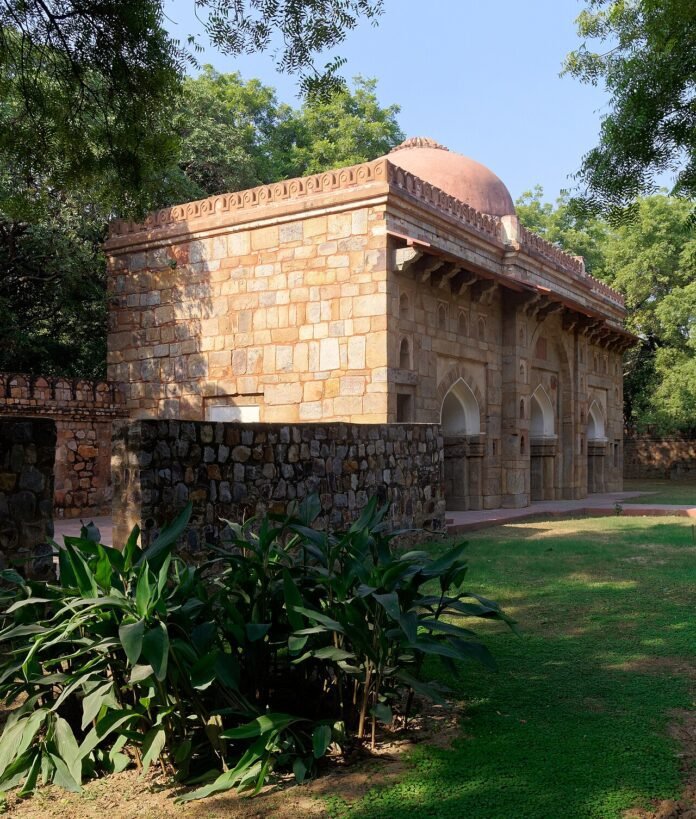
Muhammad Wali Masjid in Delhi
Muhammad Wali Masjid in Delhi — Jakub Hałun / CC BY-SA 4.0

The Delhi Government has initiated a comprehensive effort to map the expenditures allocated to 17 key departments that are tasked with advancing the city’s green objectives. This strategic move aims to foster a more coordinated approach across various sectors to achieve the overarching goal of a cleaner and pollution-free capital, according to officials.

Information was available with The Chenab Times that the Chief Minister recently presented a ‘green budget’ amounting to Rs 22,236 crore, a significant portion of the total Rs 1.03 lakh crore outlay. This budget is designed to establish a clear roadmap for enhancing Delhi’s environmental quality.

The 17 government departments designated to spearhead environmental initiatives will receive dedicated funding, with a strong emphasis on critical projects such as the clean-up of the Yamuna River and the expansion of the electric bus fleet. These allocations are structured in phases to ensure systematic progress and synchronized efforts among the departments.

In a statement released by the Chief Minister’s Office, it was highlighted that all departmental spending will be rigorously assessed against predefined green objectives. This measure is intended to ensure that financial outlays directly contribute to tangible environmental outcomes and the city’s sustainability goals.

The largest portion of the green fund, amounting to Rs 6,485 crore, has been earmarked for the Delhi Jal Board. This allocation is primarily directed towards the ambitious Yamuna clean-up project and the enhancement of water treatment infrastructure across the city. The Transport Department is set to receive Rs 4,758 crore, which will be instrumental in scaling up the operation of electric buses and bolstering a more environmentally friendly public transportation system.

Further, the Public Works Department (PWD) has been allocated Rs 3,350 crore. This funding will be utilized to implement measures aimed at mitigating dust pollution and developing green infrastructure throughout Delhi. The Planning Department will receive Rs 2,350 crore, dedicated to the design and streamlined implementation of various green projects. Additionally, the Urban Development Department and the Delhi Urban Shelter Improvement Board (DUSIB) will jointly receive Rs 2,273 crore for targeted environmental interventions.

Several other departments will also benefit from this dedicated green fund. The Environment Department has been allocated Rs 558 crore to support ongoing pollution control programmes. The Irrigation and Flood Control Department will receive Rs 305 crore, focusing on water conservation efforts, while the Development Department has been granted Rs 258 crore to foster green growth in the city’s rural areas.

Chief Minister Rekha Gupta emphasized that the initiative ‘Clean Delhi, Green Delhi’ has transcended its status as a mere slogan. She described it as a decisive policy response to pressing environmental challenges, including toxic air quality and rising temperatures. The government’s fiscal strategy has now placed environmental protection at its core through the implementation of green budgeting principles.

The mapping of expenditures is expected to provide a transparent overview of how green funds are being utilized and to identify any potential overlaps or gaps in the current environmental initiatives. This granular approach to financial oversight is anticipated to optimize resource allocation and enhance the overall effectiveness of the government’s environmental protection agenda.

Officials indicated that the data gathered from this expenditure mapping exercise will inform future budgetary allocations and policy decisions related to environmental sustainability. The initiative underscores the administration’s commitment to data-driven governance and its proactive stance on tackling climate change and pollution at the local level.

The mapping process will involve detailed reviews of departmental reports, project proposals, and financial statements to ensure accurate accounting of all green-related expenditures. The aim is to create a clear and actionable roadmap that will guide Delhi towards becoming a significantly greener and cleaner city in the coming years.

Ladakh Activist Sonam Wangchuk Welcomed in Kargil, Urges Unity and Rights

0

Kargil, Ladakh – Climate activist Sonam Wangchuk received a warm reception in Kargil on Sunday, where he emphasized the need for national unity and reiterated calls for democratic and constitutional rights for the Union Territory of Ladakh.

Information was available with The Chenab Times that this visit marked Wangchuk’s first to Kargil following his release on March 14. He had been detained for nearly six months in Jodhpur jail under the National Security Act (NSA) before the grounds for his detention were revoked by the central government, subsequent to a habeas corpus petition filed by his wife in the Supreme Court of India.

Leaders from the Kargil Democratic Alliance (KDA) and Leh Apex Body (LAB), organizations spearheading the agitation for statehood and the implementation of the Sixth Schedule in Ladakh, pressed for the next round of discussions with the High Powered Committee established by the Ministry of Home Affairs. They warned that persistent delays and a lack of decisive action could escalate the ongoing movement.

Wangchuk, accompanied by LAB co-chairman Chering Dorjey, was greeted enthusiastically by KDA leadership, including co-chairman Asgar Ali Karbalai, Member of Parliament Haneefa Jan, and prominent leader Sajjad Kargili. He was then escorted to a rally venue amidst a procession where participants chanted slogans in his support.

Expressing gratitude to the people and leadership of the KDA for their solidarity during his detention, Wangchuk underscored the importance of unity across Ladakh and the entire nation. He urged citizens to transcend divisions and collaborate towards a more promising future.

“What should unite us is humanity and a shared sense of being Indian. We should not get divided into ‘this side’ or ‘that side,’ nor into religion or sect; we must come closer to one another, not drift apart,” Wangchuk stated during the event.

He highlighted that Ladakh’s present demands concern the entire region and necessitate a collective approach for their resolution. “The rights that Ladakh deserves, democratic rights, constitutional rights, and rights over its resources, should be ensured just like in the rest of the country,” he added.

Wangchuk noted that the unity demonstrated between regions like Leh and Kargil has significantly strengthened the movement. “For the first time, people from different parts of Ladakh came together and raised their voice in unity – this spirit must be preserved,” he remarked.

Describing his detention as an arduous yet significant experience, Wangchuk stated, “It was not easy, but if it serves Ladakh, it is a valuable experience; there is a new dawn ahead.” He acknowledged that numerous others had faced even greater hardships to keep the region’s issues in public discourse.

Advocating for a broader perspective, Wangchuk urged, “If we move forward seeing each other simply as human beings, leaving behind divisions, then not just Ladakh but the whole country can become more peaceful and prosperous.”

Ladakh MP Haneefa Jan characterized Wangchuk’s release as “a victory of our honesty and our truth.” He emphasized that while the movement has maintained a firm stance, its primary approach remains dialogue, urging the government to engage sincerely with the people of Ladakh.

“We have always wanted a solution through dialogue, but this dialogue must be sincere and genuinely reflect the aspirations of the people of Ladakh,” Jan said. He appealed to Union Home Minister Amit Shah to resume talks at the earliest, stressing that discussions should lead to concrete outcomes.

Jan cautioned against using dialogue as a mere delaying tactic, pointing out that Ladakh’s populace has been articulating their demands for five to six years without substantial resolution. “We are peace-loving people and have always expressed our protests in a calm and dignified manner, but our patience should not be tested,” he warned.

Reiterating the necessity of unity to bolster negotiations, he cautioned against efforts to divide the region and weaken the movement. “We must stay united and not allow any forces to create differences among us,” Jan stated, adding that a united Ladakh would be better positioned to achieve a just and lasting solution through dialogue.

Chering Dorjey expressed gratitude for public support, interpreting the warm reception as a reflection of widespread solidarity with the movement. He asserted that Wangchuk’s release was “not a favour” from the government but a consequence of legal pressure, alleging that the Centre had “virtually lost the case” in the Supreme Court.

Dorjey claimed that serious charges were withdrawn as a “face-saving measure” and described the “anti-national” label against Wangchuk as an attempt to discredit the movement. He also highlighted ongoing concerns regarding the detention of approximately 80 workers following violence in Leh on September 24, with two still imprisoned and cases against others pending withdrawal.

He warned of deliberate attempts to foster divisions and urged the public in both districts to remain vigilant and unified. “Do not allow anyone to make us fight among ourselves,” Dorjey urged, stressing the indispensability of unity for sustaining the movement.

Asgar Ali Karbalai stated that the movement remains open to dialogue but rejected any attempts to dilute its demands through such discussions. “The movement is not afraid of dialogue; it is ready with an open mind and sincerity, but it should not be used to impose one’s will,” he said, asserting that Ladakhis “will never bow down.”

AAP foot march arrives in Hathras; Sanjay Singh slams Centre for unemployment, divisive politics

0

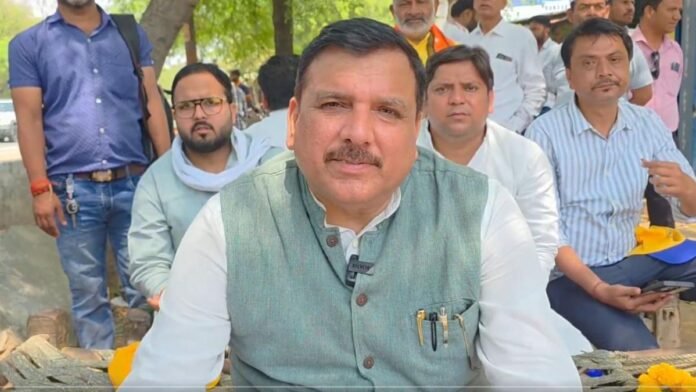
A foot march organized by the Aam Aadmi Party (AAP) arrived in Hathras, Uttar Pradesh, on Tuesday. The march, led by AAP Rajya Sabha MP Sanjay Singh, aims to highlight issues such as unemployment and alleged divisive politics by the central government.

Information was available with The Chenab Times indicating that Sanjay Singh addressed a gathering upon the march’s arrival, voicing concerns over the economic hardships faced by the youth. He claimed that graduates from prominent institutions across Uttar Pradesh are struggling to secure employment, a situation he attributed to the policies of the central government.

The AAP leader specifically pointed to students from institutions including the University of Allahabad, the University of Lucknow, Aligarh Muslim University, and Dr. Bhimrao Ambedkar University as facing significant challenges in finding jobs after completing their education. This underscores a broader national concern regarding job creation and the preparedness of the workforce for the available opportunities.

Singh’s statements come amidst a period of heightened political activity leading up to national elections. The AAP has been actively campaigning across various states, using such marches and public engagements to mobilize support and present its policy alternatives. The focus on unemployment and alleged divisiveness is a key plank of the party’s platform.

The foot march’s route through Hathras, a district in Uttar Pradesh, is strategically significant. Uttar Pradesh is the most populous state in India and a crucial battleground in national politics. By conducting the march here, the AAP seeks to connect with a large segment of the electorate and amplify its message.

The AAP has consistently criticized the ruling government’s economic management, particularly concerning employment generation. The party argues that a lack of adequate job opportunities for educated youth can lead to social unrest and economic stagnation. They propose a range of policy interventions, including support for small and medium-sized enterprises, skill development programs, and public sector employment initiatives.

Furthermore, Sanjay Singh’s reference to “divisive politics” suggests the AAP’s intent to position itself as a unifying force against what it portrays as attempts to polarize the electorate on religious or social lines. This narrative is often employed by opposition parties seeking to differentiate themselves from the ruling establishment.

The arrival of the AAP’s foot march in Hathras is expected to draw attention to the regional and national implications of unemployment. The party aims to harness public discontent over economic issues into political capital, challenging the incumbent government’s performance and offering its own vision for the country’s future. The effectiveness of such campaigns in translating public sentiment into electoral gains remains a key point of observation in the current political landscape.

Punjab Official’s Death: Union Minister Assures CBI Probe, Criticizes State Govt

0
Crime News
Image showing a crime scene. (Photo for representation purposes only)

Union Minister of State for Railways Ravneet Singh Bittu announced on Sunday that a Central Bureau of Investigation (CBI) probe will be initiated into the death of Gagandeep Singh Randhawa, a District Manager with the Punjab Warehousing Corporation. Randhawa had died on March 21 after allegedly consuming a poisonous substance, a fortnight prior to the minister’s statement.

Information was available with The Chenab Times that Minister Bittu made the announcement after holding a meeting with the deceased official’s family. The circumstances surrounding Randhawa’s death have been linked to alleged humiliation and pressure exerted by the former Aam Aadmi Party (AAP) Transport Minister, Laljit Singh Bhullar.

The promise of a CBI inquiry into the alleged suicide had previously been made by Union Home Minister Amit Shah on March 23. At that time, Shah had stated that he would order a CBI inquiry if all Punjab Members of Parliament (MPs) submitted a written request. This assurance came in response to a query from Amritsar Lok Sabha MP Gurjeet Singh Aujla of the Congress, who had accused Bhullar of pressuring Randhawa, leading to the extreme step.

The alleged mistreatment was further highlighted by a video that surfaced on social media. In a purported 12-second clip, Randhawa is heard claiming that he was consuming a poisonous substance after experiencing humiliation and intimidation by Bhullar.

Ravneet Singh Bittu also pointed out that while the police had arrested former minister Bhullar, two other suspects, namely Bhullar’s father and Dilbagh Singh, remained at large. The minister further expressed his disappointment with the Punjab Congress chief Amrinder Singh Raja Warring for not signing a joint request for the CBI inquiry, despite an alleged prior agreement among all Punjab MPs to support such a demand. Bittu also criticized the silence of AAP MPs on the matter.

The Union Minister directed strong criticism towards the Aam Aadmi Party government led by Chief Minister Bhagwant Singh Mann. Bittu stated that neither any minister from the state government nor any representative from the AAP party had visited the grieving family of Gagandeep Singh Randhawa, who were reportedly enduring a difficult period following his untimely demise. He added that the AAP government seemed to have no time to spare for its own official who took such a drastic step, indicating a failure to control its party leaders.

Bittu specifically mentioned former Transport Minister Laljit Singh Bhullar and, in a separate alleged accusation, referred to Raghav Chadha. The minister also claimed that Raghav Chadha was removed from the position of Deputy Leader of the AAP in the Rajya Sabha for allegedly failing to deposit the entire party’s collected funds.

Delhi Chief Minister Assures Adequate LPG Supply Amid Availability Concerns

0
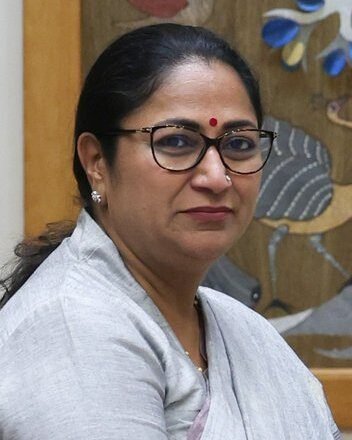
Rekha Gupta, Chief Minister of the National Capital Territory of Delhi
Rekha Gupta, Chief Minister of the National Capital Territory of Delhi — Prime Minister's Office / GODL-India

New Delhi – Chief Minister Rekha Gupta on Saturday allayed fears regarding the availability of Liquefied Petroleum Gas (LPG) in the national capital, asserting that both domestic and commercial supplies are stable, adequate, and firmly under government control.

Information was available with The Chenab Times that the Chief Minister urged residents to refrain from succumbing to rumours and to avoid unnecessary panic, emphasizing that the government is diligently monitoring the situation and ensuring efficient management of resources.

Official figures presented by the Chief Minister indicated a robust supply chain, with 1,11,504 LPG cylinders booked on April 3, while oil marketing companies successfully delivered 1,26,379 cylinders, surpassing the demand. This surplus delivery highlights a well-functioning system capable of promptly addressing outstanding orders.

Further details revealed an improvement in the delivery timeline for domestic LPG cylinders, with the average delivery time now standing at 4.37 days, ensuring timely fulfillment of consumer needs. This efficient operation is a testament to the coordinated efforts to maintain a seamless supply network across the city.

To combat potential hoarding and black marketing, the Delhi government has established a dedicated control room tasked with receiving complaints and actively monitoring the LPG supply situation. The Chief Minister stated that based on verified intelligence, the Delhi Police are undertaking coordinated enforcement actions against any illegal activities detected across various localities.

In line with these efforts, police teams have conducted 22 raids in different parts of the city. One such operation in North Rohini led to the registration of a First Information Report (FIR) and the seizure of six illegally stored LPG cylinders. Authorities have indicated that the crackdown on individuals or entities involved in hoarding and black marketing will persist.

Chief Minister Gupta appealed to the citizens of Delhi to avoid congregating at LPG agencies or distribution centers, assuring them that cylinders would be delivered directly to their homes within the prescribed timeframes. She encouraged residents to cooperate with the authorities, contributing to the maintenance of order and supporting the government’s initiatives to ensure a consistent and reliable LPG supply for all.