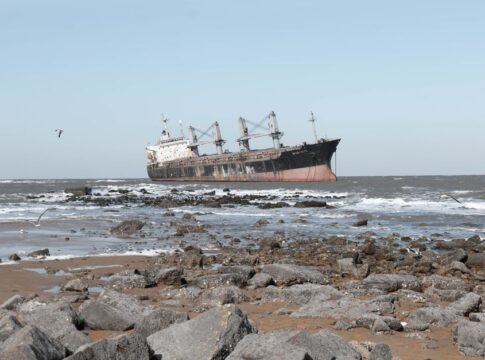
A recent study examining the Keralam ELSA-3 shipwreck off the coast of Tamil Nadu has uncovered persistent nurdle pollution and identified evolving ecological impacts stemming from the incident. The findings highlight ongoing environmental challenges nearly a year after the accident.
The Chenab Times has learned that the Tamil Nadu Pollution Control Board (TNPCB) commissioned both short-term and long-term environmental impact assessment studies following the May 2025 accident. These comprehensive studies were entrusted to the Suganthi Devadason Marine Research Institute (SDMRI) in Thoothukudi, tasked with evaluating the environmental consequences over a two-year period.
The Keralam ELSA-3 shipwreck, a significant maritime event in the region, has become a focal point for understanding the long-term effects of such incidents on marine ecosystems. Nurdles, which are small pre-production plastic pellets, are a major component of plastic pollution globally. Their presence in significant quantities around the shipwreck site indicates a continuous release or a substantial historical accumulation that is now being dispersed.
The studies initiated by the TNPCB aim to provide a detailed scientific understanding of how the marine environment around the shipwreck is responding to the pollution. This includes assessing the levels of nurdle contamination in the water column, seabed sediments, and marine organisms. The evolving ecological impacts refer to the observed changes in the marine biodiversity, the health of fish populations, and the overall resilience of the ecosystem in the face of this persistent pollutant.
The SDMRI’s research is expected to offer crucial data for developing effective mitigation and remediation strategies. Understanding the rate of nurdle dispersal, their potential to accumulate in the food chain, and their impact on sensitive marine species like corals and sea grasses are key objectives of the long-term assessment. The institute’s proximity to the affected area provides it with a strategic advantage in monitoring the situation closely.
Marine pollution from shipwrecks can have devastating and long-lasting effects, contributing to habitat degradation, affecting fisheries, and posing risks to human health through contaminated seafood. Nurdles, being plastic particles, do not biodegrade but break down into smaller microplastics, further complicating the pollution landscape and posing ingestion risks to marine life.
The findings of these studies will be critical for informing policy decisions related to maritime safety, pollution control, and environmental management in coastal areas. The TNPCB’s proactive approach in commissioning these detailed assessments underscores the importance of scientific research in addressing environmental crises. The two-year duration of the long-term study indicates a commitment to understanding the full spectrum of impacts, from immediate aftermath to gradual recovery or persistent degradation.
Experts in marine biology and environmental science will be closely watching the progress of the SDMRI’s research. The data generated is anticipated to contribute to the broader understanding of plastic pollution dynamics in marine environments and the specific challenges posed by shipwreck-related contaminants. The eventual recommendations from the study could influence international best practices for marine accident response and environmental protection protocols.
❤️ Support Independent Journalism
Your contribution keeps our reporting free, fearless, and accessible to everyone.
Or make a one-time donation
Secure via Razorpay • 12 monthly payments • Cancel anytime before next cycle


(We don't allow anyone to copy content. For Copyright or Use of Content related questions, visit here.)

The Chenab Times News Desk