A new virus known as tomato flu, or tomato fever, has emerged in India in the state of Kerala in children under the age of five, according to The Lancet Respiratory Medicine, while the country continues to battle COVID-19 and monkey pox.
The uncommon viral infection is endemic and is not thought to be life threatening. 82 children under the age of five have reportedly been affected thus far, according to reports. Since tomato flu is a self-limiting illness, no specific medicine is available to treat it.
The Regional Medical Research Centre in Bhubaneswar also revealed that 26 children (aged 1 to 9 years) in the state of Odisha had the disease. Other than Kerala, Tamil Nadu, and Odisha, no other parts of India have experienced the virus’s effects as of yet. To monitor the viral infection’s spread and stop it from spreading to other regions of India, the Kerala health department is taking measures.
The research raises the possibility that the virus is also a new variant of the viral hand, foot, and mouth disease, a common infectious disease that primarily affects children and people with weakened immune systems.
Symptoms
Although the symptoms of the tomato flu virus resemble those of COVID-19 (both are initially associated with fever, fatigue, and body aches, and some COVID-19 patients also report skin rashes), the virus is unrelated to SARS-CoV-2. Tomato flu may not actually be a viral infection in children, but rather a symptom of dengue or chikungunya fever.
Along with a fever, fatigue, and body aches, other symptoms include rashes that cause skin irritation. As with other viral infections, further symptoms include, nausea, vomiting, diarrhoea, dehydration, swelling of joints, body aches, and common influenza-like symptoms, which are similar to those manifested in dengue.
Origin
On May 6, 2022, the Kollam district of Kerala reported the first case of tomato flu; as of July 26, 2022, the local government hospitals had documented the infection in more than 82 children under the age of five. Anchal, Aryankavu, and Neduvathur are the other Keralan regions that have been impacted.
The name
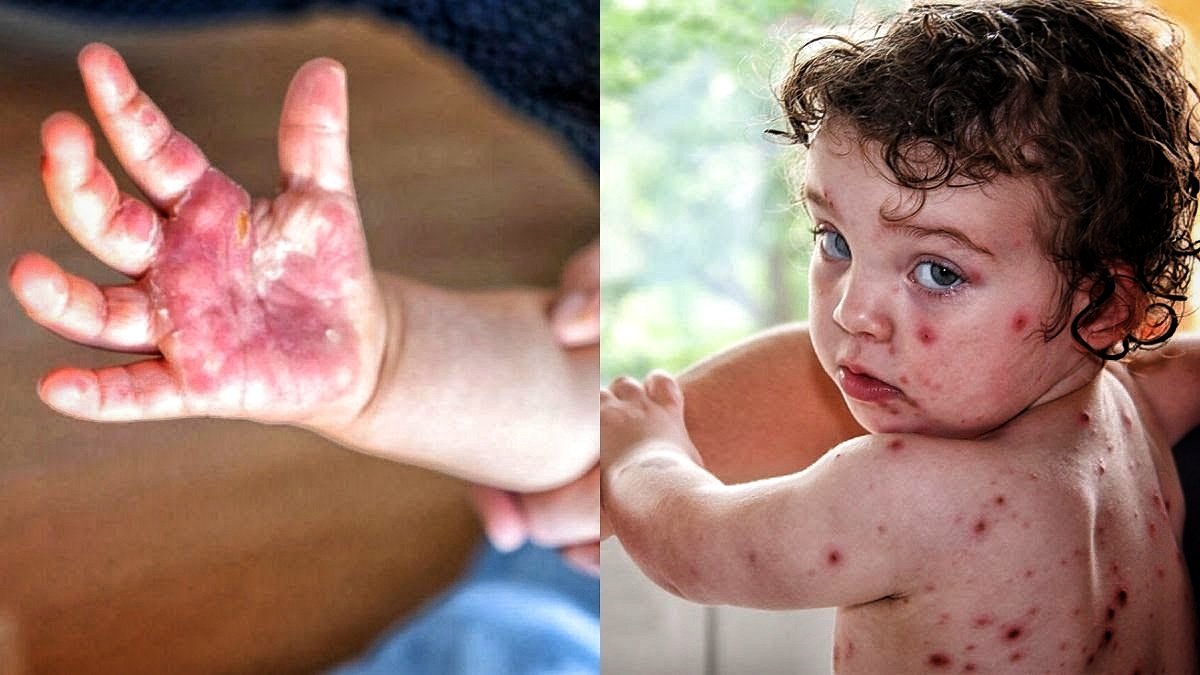
The disease is named for the red, painful blisters that appear all over the body and gradually grow until they are the size of tomatoes. These blisters resemble those that individuals who have the monkeypox virus experience.
Treatment
Because it resembles dengue, chikungunya, and hand, foot, and mouth disease as well, the therapy is likewise comparable to those diseases: isolation, rest, plenty of fluids, and hot water sponge for the relief of irritation and rashes. It is essential to use paracetamol as supportive therapy for fever, body pain, and other symptomatic conditions.
Susceptible group
The study found that since viral infections are widespread in children of this age and are likely to spread through close contact, children are more likely to be exposed to tomato flu. Young children can catch this virus via touching dirty surfaces, using nappies, and putting objects directly in their mouths.
Prevention
To prevent the virus from spreading to other children or adults, isolation should be practised for five to seven days after the onset of symptoms.
The greatest method of prevention is maintaining good hygiene, sanitising the immediate area, and keeping the infected child from sharing toys, clothes, food, or other objects with other children who are not infected.
The most effective methods for protecting the public health against viral infections are drug repurposing and vaccination, particularly in young children, the elderly, immunocompromised individuals, and those with underlying medical conditions.
Given the similarity to hand, foot, and mouth disease, transmission of tomato flu could have major repercussions by spreading to adults if the outbreak in children is not contained and stopped. Like other influenza strains, tomato flu is extremely contagious. Therefore, it is essential to carefully isolate confirmed or suspected cases and take additional preventative measures to stop the tomato flu virus from spreading from Kerala to other regions of India.
(With Inputs from agencies and research websites)
❤️ Support Independent Journalism
Your contribution keeps our reporting free, fearless, and accessible to everyone.
Or make a one-time donation
Secure via Razorpay • 12 monthly payments • Cancel anytime before next cycle


(We don't allow anyone to copy content. For Copyright or Use of Content related questions, visit here.)

The Chenab Times News Desk