



With Kashmir recording sub-zero temperatures, the sale of Kangri, the earthen pot filled with charcoal that is used by people to beat the winter cold, is in high gear.
Photo essay on Kangri
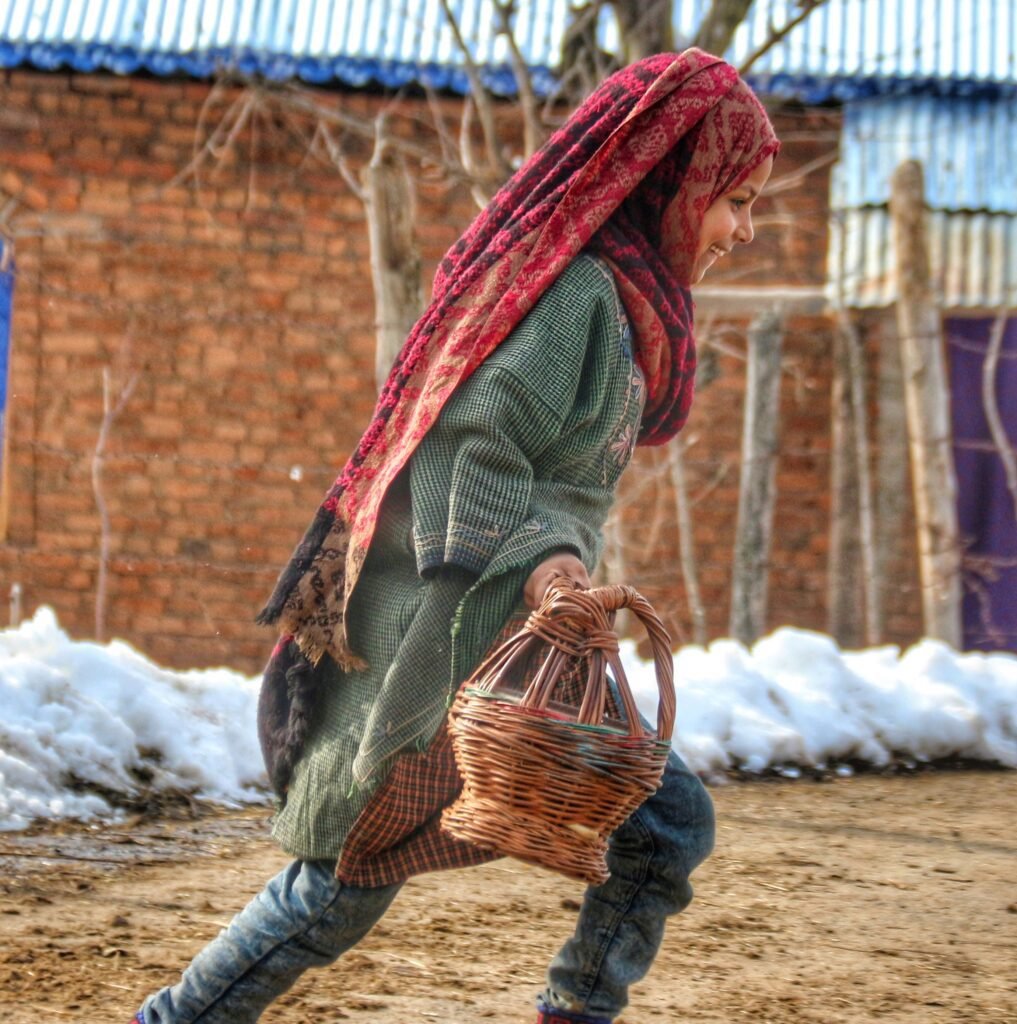
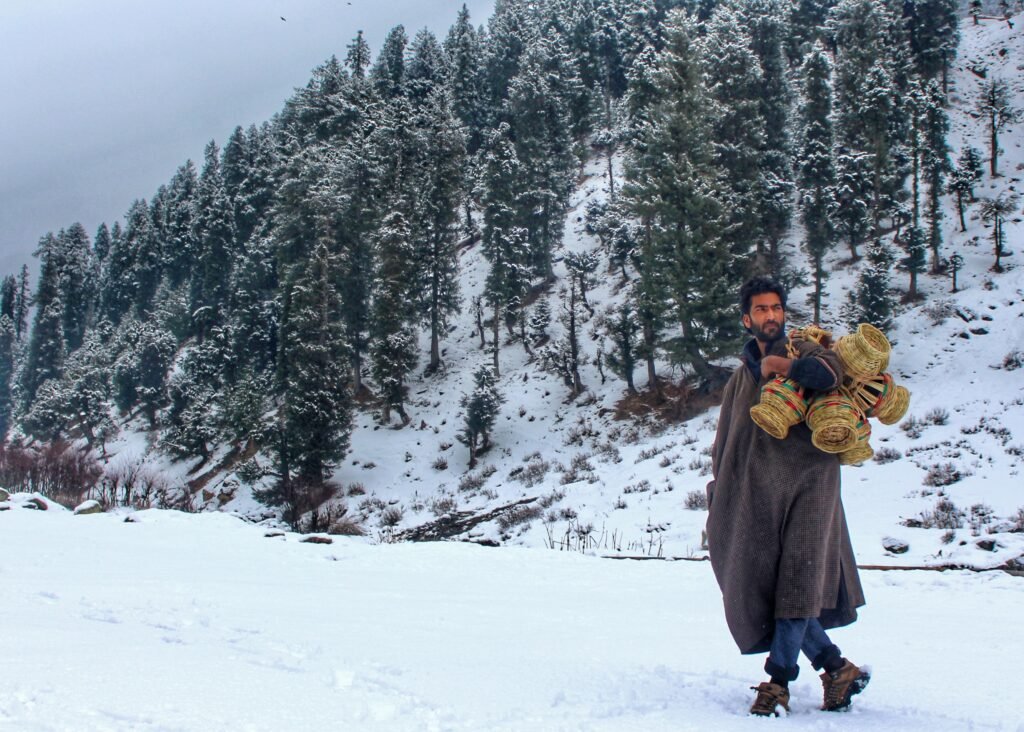

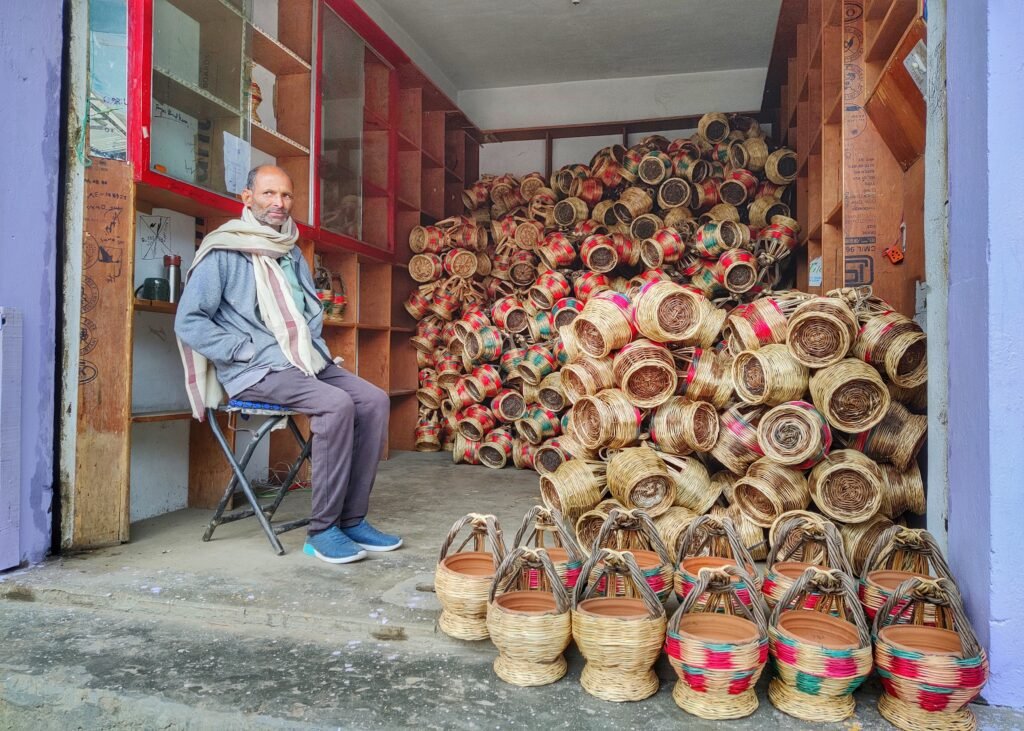
Markets across the valley are bustling with Kangri sellers, who are having a busy time with customers. With winter fast approaching, Kashmiri men busy weaving Kangris, portable fire pots, is a common scene across the valley these days. Kangri is an earthen pot with wickers woven all over. When fueled with charcoal and dry Chinar leaves, it releases heat for about eight hours. People in Kashmir use it during the winter to keep themselves warm.
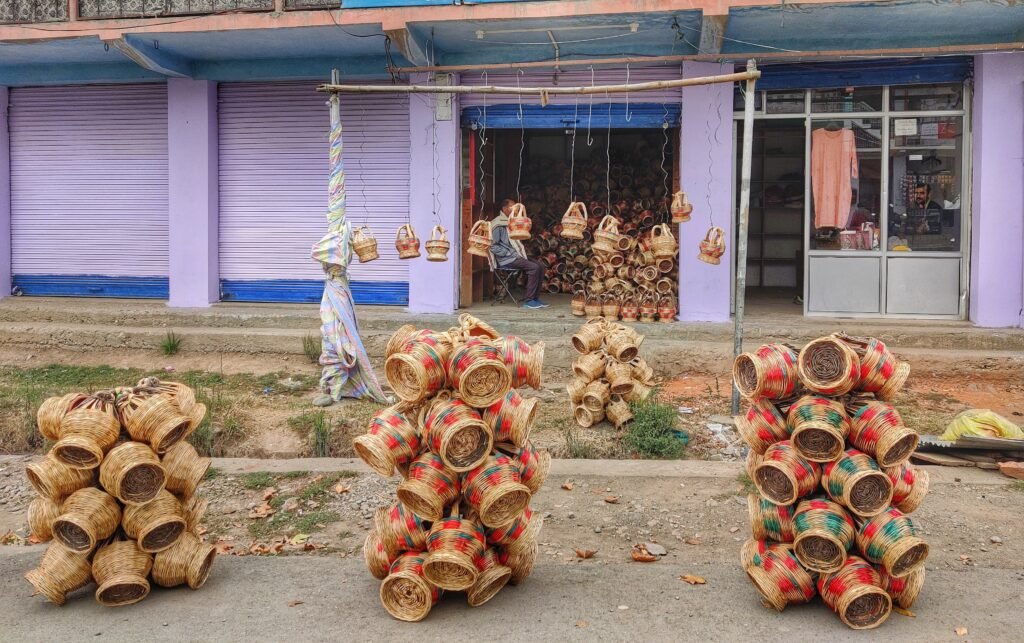
Cultural importance
The Kangri has a significant place in the culture and heritage of Kashmir. It is part of Kashmiri tradition, and even in this era of technology, it is in demand. It is used even in public or private offices. There is archival evidence of the use of Kangri even earlier than 1526. Despite the advent of room heaters, air conditioners, central heating, and other heating technologies that run on electricity and prove unreliable due to the chronically poor electricity supply in winter, kangri and pheran are still the only defence against the cold for millions of Kashmiris.
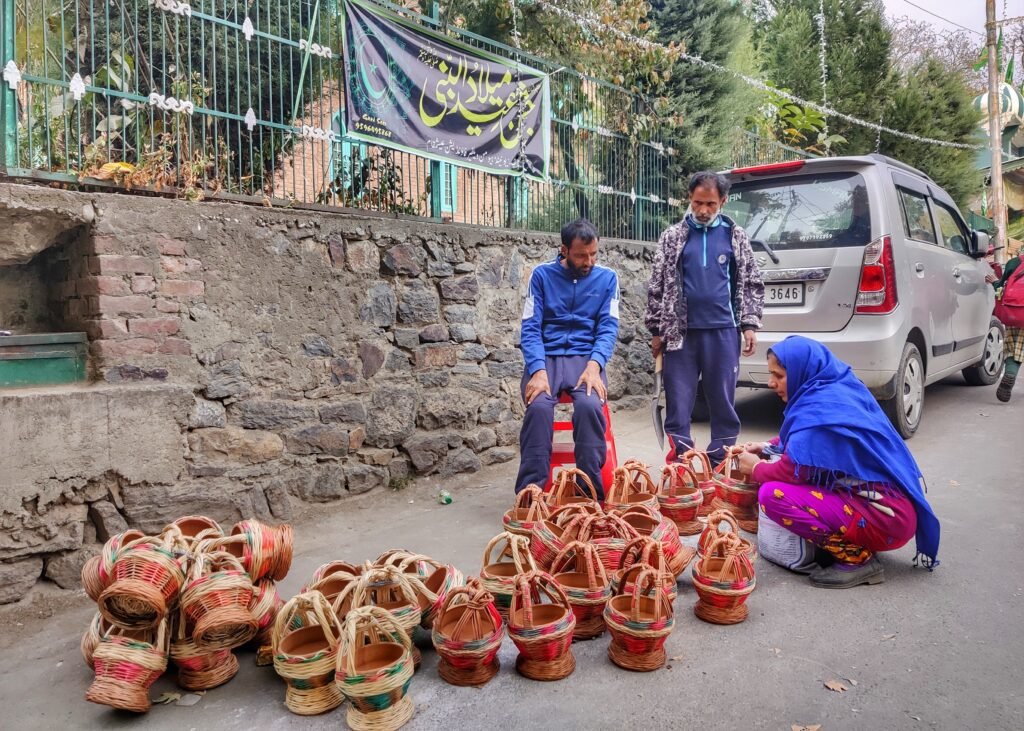
Kangris are priced anywhere from Rs 100 to Rs 300 a piece, depending on the work and design. A Kangri shopkeeper, Riyaz Ahmed, said, “Winter in Kashmir means Kangri.” “Due to poor electric supply, we use the kangri on a daily basis as it is cheaper than oil, gas, and heaters,” Ahmed added. Kangri has become a popular handicraft. Besides being used for heating purposes, it remains a durable article that is eco-friendly and cost-effective. Its colours, innovative designs, and artwork attract tourists. Not just anyone can make a kangri. It needs skill, labor, and local craftsmanship.

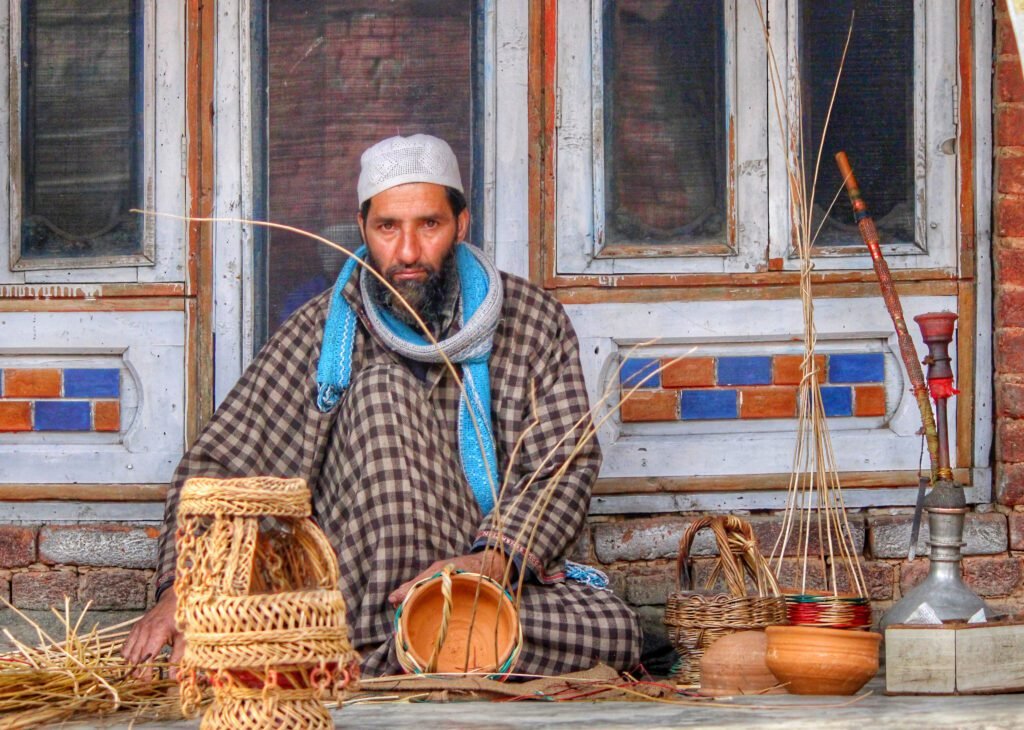
Twigs are collected from deciduous shrubs, scraped and peeled, and go through a process of soaking, drying, and dying before being finally woven around the bowl-shaped earthenware decorated with colourful thread. With the increasing winter cold, modern heating equipment sales soar in markets and have started replacing our traditional kangri. The production of Kangris has declined over the years due to the increased availability of alternate heating equipment.
(All the photos in this photo essay are taken by Aasif Shafi)
❤️ Support Independent Journalism
Your contribution keeps our reporting free, fearless, and accessible to everyone.
Or make a one-time donation
Secure via Razorpay • 12 monthly payments • Cancel anytime before next cycle


(We don't allow anyone to copy content. For Copyright or Use of Content related questions, visit here.)

Aasif Shafi is multimedia journalist based In Kashmir.


