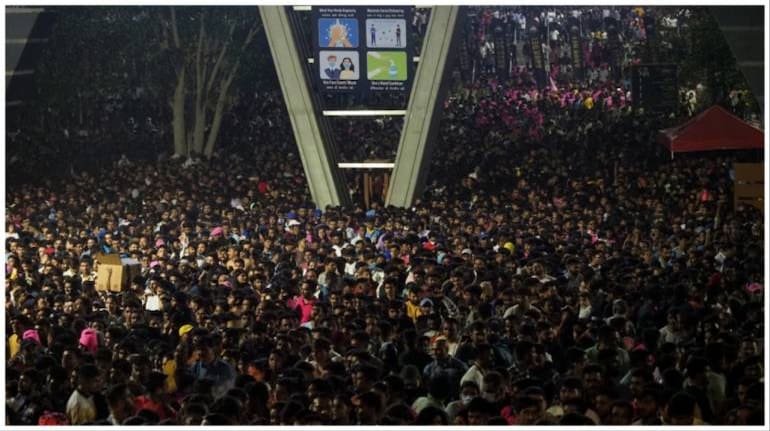
According to the United Nations Population Fund’s (UNFPA) ‘The State of World Population Report, 2023,’ India has overtaken China as the most populous country in the world. With a population of 1.4286 billion, India now surpasses China’s 1.4257 billion, marking the first time since 1950 that India has surpassed China’s population. The report highlights India’s young population as a significant factor for driving the country’s development and presenting enormous opportunities for economic growth.
Most Populated Cities and Age Group
New Delhi is the most populated city in India with 30 million inhabitants, followed by Mumbai, Kolkata, and Bengaluru. The report shows that 25% of India’s population falls within the age group of 0-14, 18% in the age group of 10-19, 26% in the age group of 10-24, 68% in the age group of 15-64, and 7% above the age of 65.
India’s Demographic Diversity and Strength
The report states that India’s demographic diversity among states provides unique opportunities to reap the benefits of demographic dividends. India’s different states are in various stages of demographic transition, and favorable policies on inter-state migration can help meet labor demands in the southern aging population from the youthful northern and eastern parts of the country. India’s demographic strength is much more significant than China’s, with twice as many new babies and a total fertility rate twice that of China.
China’s Declining Population
China’s population, which peaked at 1.42 billion in 2021, is gradually declining, with a decrease of 850,000 people in 2022, the first decline since 1961. Although China abolished the one-child policy and allowed up to three children, the number of births did not increase as expected due to rising costs of living, childcare, and education.
Rethinking Population Numbers
The report calls for a radical rethink of how population numbers are framed, urging politicians and the media to abandon overblown narratives about population booms and busts. Instead of asking how fast people are reproducing, leaders should ask whether individuals, especially women, can make their own reproductive choices freely. Women’s bodies should not be held captive to population targets, according to UNFPA’s executive director, Natalia Kanem.
❤️ Support Independent Journalism
Your contribution keeps our reporting free, fearless, and accessible to everyone.
Or make a one-time donation
Secure via Razorpay • 12 monthly payments • Cancel anytime before next cycle


(We don't allow anyone to copy content. For Copyright or Use of Content related questions, visit here.)

The Chenab Times News Desk