Deputy Commissioner of Kishtwar, in a recent development, has ordered the seizure of two madrasas located in the Tatani area of Saroor, Tehsil Drabshalla for affiliation with Maulana Ali Miyan Nadwi Education Charitable Trust, Bhathindi Jammu, amidst a brewing controversy. The affected institutions, namely Madrasa Ashraful Uloom RPI Academy and Madrasa Taleem ul Quran, have been instructed to hand over their buildings to the administration through Tehsildar Drabshalla.
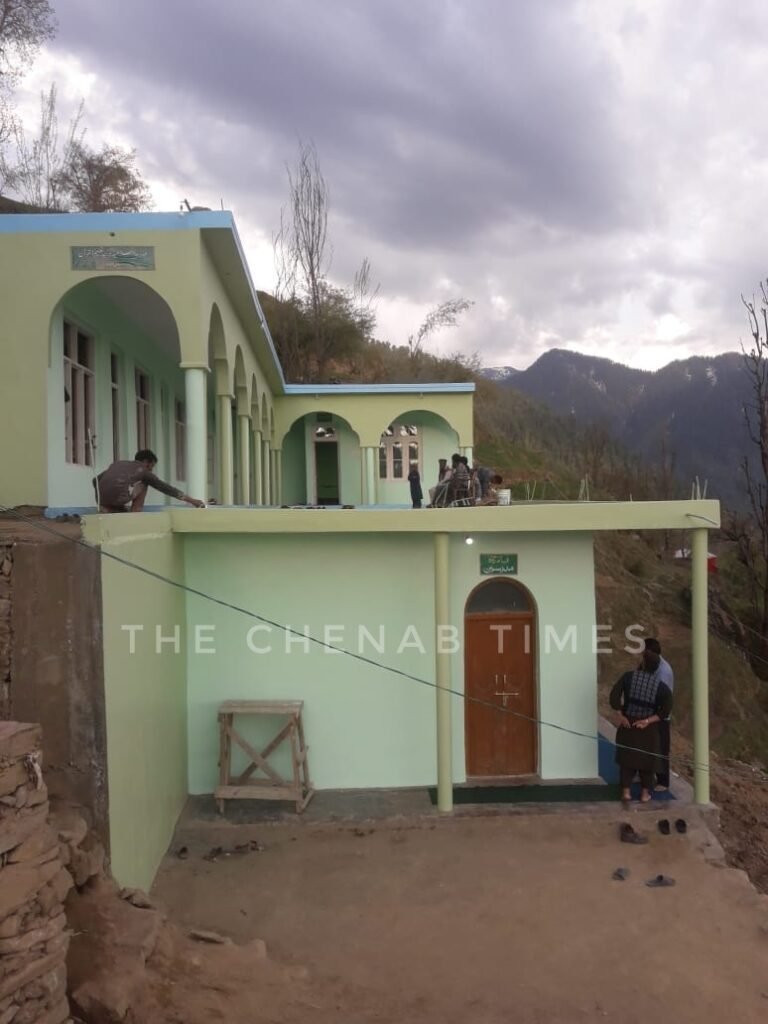

However, Mohd Shafi, son of Mohd Ramzan, the Mohtamim (head) of Madrasa Ashraful Uloom RPI Academy, and Mohd Arshad Lone, son of Ghulam Nabi Lone, the Mohtamim of Madrasa Taleem ul Quran, vehemently denied the allegations and refuted any association with the MAMNECT Trust. In an interview with The Chenab Times, Mohd Arshad Lone stated that their madrasas operated under their own registered trust and relied solely on donations from the general public in the Kishtwar District and its surrounding areas. He further expressed concerns that this sudden order would disrupt the education of students currently enrolled in their madrasas. Lone also emphasized that they were not given an opportunity to present their side of the story before the order was issued.
Advocate Sheikh Nasir, the legal representative for the heads of both madrasas, criticized the validity of the order. He emphasized that every individual has the right to present their perspective, and issuing an order without allowing for an explanation beforehand is legally questionable. Moreover, Advocate Nasir revealed that the order of the Divisional Commissioner Jammu, on which the Deputy Commissioner Kishtwar’s order was based, is already under scrutiny in the court. He cited previous rulings by the Jammu Kashmir and Ladakh High Court, which stated that madrasas cannot be handed over to the administration without following due process, including providing an opportunity for explanation. Only when a connection between the madrasas and the alleged trust is established can appropriate actions be taken.
It is pertinent to mention that, just a day after Deputy Commissioner Kishtwar issued the order for the attachment of two madrasas in Kishtwar, a significant development took place. On July 4, 2023, the Jammu and Kashmir High Court ruled in favor of the petitioners in a similar case, emphasizing the need for due process and providing an opportunity for explanation before taking any adverse action against educational institutions. This court ruling sheds light on the concerns raised by the heads of the madrasas in Kishtwar, who disputed their attachment based on the Divisional Commissioner Jammu’s order. The court’s decision adds weight to the ongoing controversy surrounding the madrasas and offers hope for a fair resolution.

In a recent ruling by the Jammu and Kashmir High Court, Justice Rahul Bharti addressed a writ petition filed by Jamia Tus Salihat Bathindi Jammu and others, who were seeking relief from the adverse actions taken against their respective madrasas based on an order issued by the Divisional Commissioner, Jammu. The petitioners argued that they had no affiliation or connection with the Maulana Ali Miyan Nadwi Education Charitable Trust (MAMNECT), Bathindi, Jammu, which was mentioned in the Divisional Commissioner’s order. The petitioners contended that their madrasas should not be subjected to the same course of action as MAMNECT.
The learned senior advocate representing the petitioners highlighted an order issued by the District Magistrate, Doda, appointing the District Social Welfare Officer, Doda, as the temporary administrator of the madrasas run by one of the petitioners. Similarly, the Sub Divisional Magistrate, Mahore, had taken over the management of the madrasa belonging to another petitioner. The petitioners argued that these actions were taken without granting them an opportunity to present their case and amounted to an adverse judgment against their madrasas.
Upon examining the communications and the Divisional Commissioner’s order, Justice Rahul Bharti noted that the order did not authorize the respective Deputy Commissioners of the districts to take over madrasas run by other trusts. The order was specific to MAMNECT, Bathindi, Jammu. The court observed that a prima facie case had been established, and therefore, issued notice to the respondents while directing the petitioners to provide registered postal covers for the service of the respondents.
In the meantime, the court instructed the respondents not to take any action against the madrasa operated by the first petitioner without issuing a prior show cause notice and inviting a response. Furthermore, the impugned orders, which resulted in the takeover of the madrasas run by the second and third petitioners, were to be kept in abeyance. However, the court clarified that this order was subject to objections from the other side.
This ruling by the Jammu and Kashmir High Court highlights the significance of due process and affording the opportunity for explanation before taking any adverse action against educational institutions. It further supports the arguments presented by the heads of the madrasas in Kishtwar, who contested their attachment based on the Divisional Commissioner Jammu’s order. The court’s decision brings hope to the affected madrasas and emphasizes the importance of a fair and impartial approach in such matters.
The controversy surrounding the attachment of the two madrasas has generated significant public interest, with many questioning the legality and fairness of the order. As the legal battle ensues, concerned stakeholders are eagerly awaiting the court’s decision on the matter, which will determine the fate of the madrasas and the education of the students involved.
The Chenab Times will continue to closely monitor the developments in this case and provide updates as they unfold.
❤️ Support Independent Journalism
Your contribution keeps our reporting free, fearless, and accessible to everyone.
Or make a one-time donation
Secure via Razorpay • 12 monthly payments • Cancel anytime before next cycle


(We don't allow anyone to copy content. For Copyright or Use of Content related questions, visit here.)

Anzer Ayoob is the Founder and Chief Editor to The Chenab Times