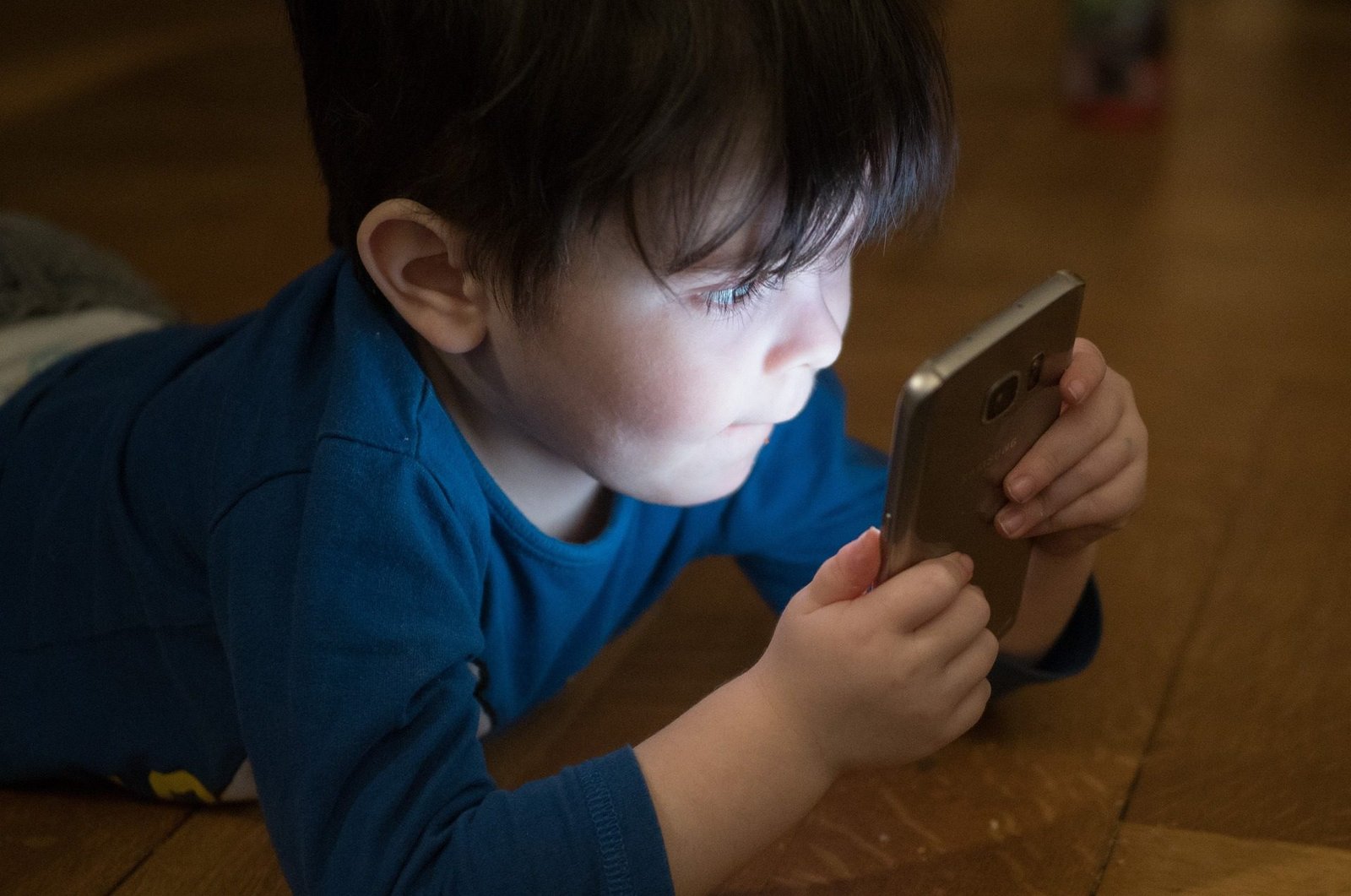
New research indicates that infants exposed to more than four hours of screen time daily face developmental delays in communication and problem-solving skills during their early years, according to a study published in The Journal of the American Medical Association Pediatrics.
Furthermore, the study highlights that one-year-olds with heightened screen exposure compared to their peers demonstrated delays in fine motor skills, personal interactions, and social abilities at age 2. Remarkably, these delays seemed to fade by age 4.
While the study refrains from drawing direct causal links between screen time and developmental setbacks, it underscores a discernible link between extended screen engagement and developmental hindrances. Experts theorize that this connection may stem from the irreplaceable value of face-to-face interactions for young children’s growth.
Dr. David J. Lewkowicz, a developmental psychologist at the Yale Child Study Center, underscores the significance of personal interaction between parents and infants in providing a comprehensive learning experience. He explains that such interactions offer infants vital insights into facial expressions, speech nuances, tonal variations, and physical feedback, all essential elements for language acquisition and meaning comprehension. “Screen time doesn’t offer these benefits,” Dr. Lewkowicz notes, adding that the study’s findings are not surprising given the importance of personal engagement.
The study, conducted by researchers in Japan, gathered insights from almost 8,000 parents regarding their children’s developmental progress and screen time usage. Generally, infants with higher screen exposure tended to have younger, first-time mothers with lower household income and education levels. Additionally, these mothers often experienced postpartum depression. Among the surveyed infants, a mere 4 percent were found to have screen exposure exceeding four hours daily. Around 18 percent had between two to less than four hours of screen time, while the majority had less than two hours.
A noteworthy pattern emerged from the study – a “dose-response association” linking higher screen time with increased likelihood of developmental delays.
While the study does not distinguish between screen time intended for educational purposes versus entertainment, the authors urge future research to delve into this dimension.
Dr. Lewkowicz offers pragmatic advice to parents grappling with screen time concerns, suggesting a balance between face-to-face interaction and screen use. “While a complete ban on screen time for babies may not be practical,” he states, “moderation coupled with real-world social interaction is key.”
This research underscores the potential impact of screen time on early childhood development, prompting a call for further investigations into the intricate interplay between screen exposure and developmental progress.
(Inputs from NYT)
❤️ Support Independent Journalism
Your contribution keeps our reporting free, fearless, and accessible to everyone.
Or make a one-time donation
Secure via Razorpay • 12 monthly payments • Cancel anytime before next cycle


(We don't allow anyone to copy content. For Copyright or Use of Content related questions, visit here.)

The Chenab Times News Desk