


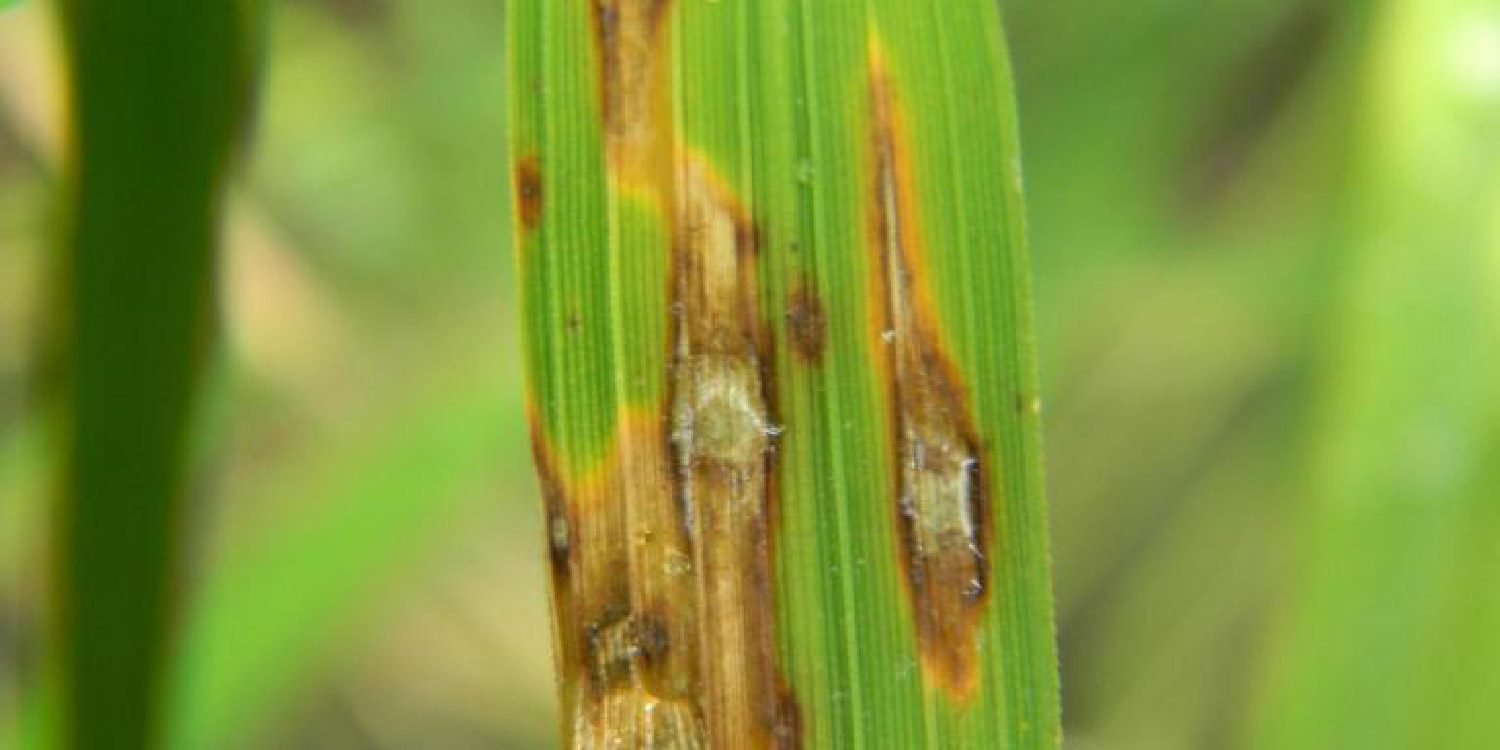
In the serene landscape of Pulwama, a district nestled in the picturesque region of south Kashmir, the farmers’ daily life unfolds amidst verdant paddy fields that stretch as far as the eye can see. The fields, lush and green, have been the lifeblood of the local community for generations. But this year, there’s a cloud of uncertainty hanging over these fields.
The farmers of Pulwama have been facing a formidable adversary known as the “rice blast” disease. This silent menace has been silently wreaking havoc on their paddy crops, leaving behind a trail of destruction. Nearly half of their cherished crop is falling victim to this relentless foe, year after year.
Amidst the swaying rice stalks, the farmers share their anguish. Tariq Ahmed, a seasoned farmer from Litter, expresses his concerns, “We suffered losses due to the disease in paddy, and are very much worried as it will reduce rice production in the area this year.” Last year, they turned to the authorities, pleading for assistance and soil testing programs. However, their pleas fell on deaf ears, and no help arrived.
Across the district, in Zahidbagh, Gul Mohammad Bhat‘s story echoes the sentiments of many. Despite diligently following the authorities’ recommendations, his paddy crops have been scarred by the rice blast. The disease, it seems, spares no one.
Gul Mohammad Bhat, like many others, urges the government to acknowledge their plight and provide compensation. Their livelihoods hang in the balance, with no alternative source of income.
Amidst these cries for help, an official from the Agriculture Department offers insights. He explains that the rice blast primarily affects old paddy varieties. The department, he emphasizes, has been providing farmers with modern, disease-resistant varieties that yield bumper crops year after year.
Despite the department’s efforts to educate the farmers about the benefits of these new varieties, some continue to cling to tradition. The official laments that farmers often revert to the old ways and then blame the department when disaster strikes. He calls for cooperation, a united effort to combat the rice blast once and for all.
There is a glimmer of hope for those who have registered under the Pradhan Mantri Fasal Bima Yojna. They will receive insurance payouts to help cushion their losses. For those who haven’t, their details will be compiled, and their case for compensation will be presented to higher officials.
In closing, the official earnestly requests the farmers to abandon traditional varieties and adopt disease-resistant ones like SR2 and SR4. With unity and shared determination, they can collectively turn the tide against the rice blast disease and secure a prosperous future for Pulwama’s agriculture.
As the sun sets over the sprawling fields of Pulwama, the farmers hope that their pleas will be heard, and their beloved paddy crops will thrive once more, resilient against the unseen enemy that threatens their way of life.
(Inputs from KNO)
❤️ Support Independent Journalism
Your contribution keeps our reporting free, fearless, and accessible to everyone.
Or make a one-time donation
Secure via Razorpay • 12 monthly payments • Cancel anytime before next cycle


(We don't allow anyone to copy content. For Copyright or Use of Content related questions, visit here.)

Haseena Ayoob is a regular contributor of The Chenab Times.


