



[tta_listen_btn]
The local languages of the Chenab Valley in Jammu and Kashmir, such as Sarazi, Pogli, Padri, and Bhaderwahi, are not just spoken words but living repositories of the region’s cultural and linguistic heritage. These languages, rooted in the traditions and experiences of the people residing in the valley, are facing an urgent need for preservation as they confront the challenges of globalization and modernization.
Local languages play a multifaceted role in preserving the rich cultural heritage and history of the Chenab Valley. They serve as a bridge to the unique identity, traditions, and experiences of the valley’s inhabitants. Beyond mere communication, these languages are carriers of knowledge, wisdom, and the collective memory of the community.
The Chenab Valley, like many other regions worldwide, is not immune to the influence of mainstream languages and modern communication technologies. The rise of dominant languages and the globalized media landscape have created a growing threat to local languages. These indigenous tongues are gradually being overshadowed and marginalized, putting at risk the invaluable cultural and linguistic wealth they hold.
Recognizing the significance of preserving linguistic diversity, various initiatives are underway to safeguard these endangered languages, such as The Chenab Times Multilingual News Initiative. This effort is multifaceted, encompassing linguistic documentation, language promotion, and revitalization. However, there is a need for more initiatives on a larger scale. These efforts include the establishment of language institutions, community-led language preservation projects, and the integration of local languages into educational curricula.
Sarazi, Pogli, Padri, and Bhaderwahi are some of the most prominent languages spoken in the Chenab Valley. Sarazi, also known as Siraji, is predominantly spoken in the Doda District. Pogli, on the other hand, finds its roots primarily in the Ramban District. Padri is prevalent in the Kishtwar district, while Bhaderwahi resonates in Bhaderwah, Marmat, Bhalessa, Thathri areas of the Doda District.
The preservation of these languages extends far beyond the realms of mere linguistics. It is essential for the empowerment of local communities. Language, as a means of communication and a tool for expressing cultural identity, is fundamental to the existence of any community. When a language begins to lose its speakers, it puts at risk a significant part of the cultural heritage that defines these communities.
Preserving local languages requires a multifaceted approach that brings together linguists, educators, community leaders, and policymakers. It entails the development of language resources, such as dictionaries, grammars, and literature, to ensure the continuity of these languages. These resources serve as a bridge between generations and provide a means for future speakers to learn and embrace their linguistic heritage.
An essential aspect of language preservation is raising awareness about the significance of local languages. Community events, cultural festivals, and educational workshops play a pivotal role in this regard. By instilling a sense of pride and ownership among speakers, these efforts help to ensure the continued vitality of local languages. Bilingual education programs have also been initiated to ensure that children have access to instruction in their native languages while acquiring proficiency in the national level languages, such as Urdu which is widely used across schools of Jammu and Kashmir.
In conclusion, the preservation of local languages like Sarazi, Pogli, Padri, and Bhaderwahi in the Chenab Valley is not just a linguistic endeavor; it is an essential step in safeguarding the cultural diversity and unique identities of the local communities. These languages are the threads that weave the tapestry of the valley’s history and heritage. Efforts aimed at documenting, promoting, and revitalizing these languages are crucial to ensure their survival and empower the speakers. By recognizing the significance of local languages, we can contribute to the preservation of linguistic heritage and promote inclusivity and respect for diverse cultural expressions. The preservation of these linguistic treasures ensures that the voices of the Chenab Valley continue to resonate through time.
❤️ Support Independent Journalism
Your contribution keeps our reporting free, fearless, and accessible to everyone.
Or make a one-time donation
Secure via Razorpay • 12 monthly payments • Cancel anytime before next cycle


(We don't allow anyone to copy content. For Copyright or Use of Content related questions, visit here.)
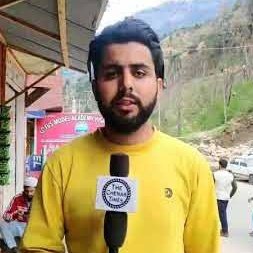
Anzer Ayoob is the Founder and Chief Editor to The Chenab Times


An excellent piece sir..
Your contribution will always be remembered.
Thank you dear.