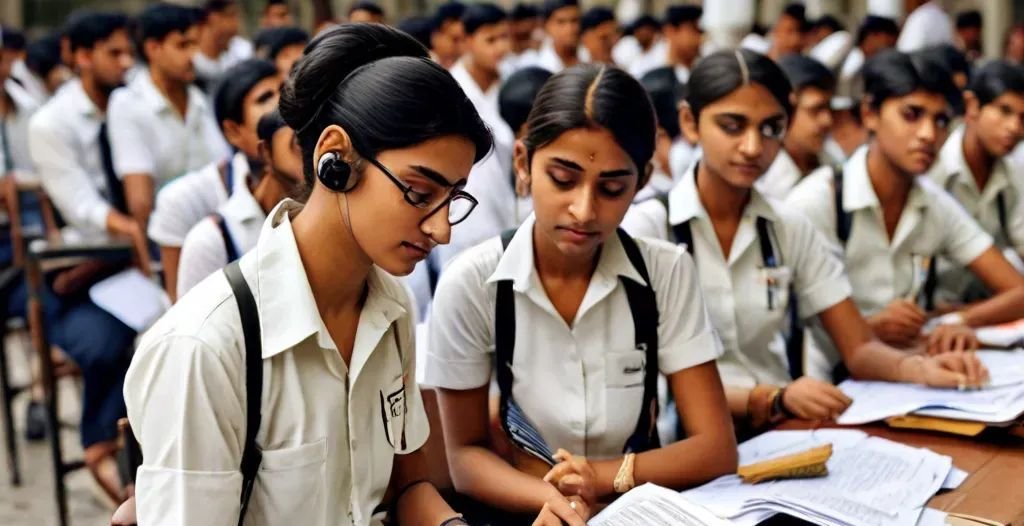
The Union Public Service Commission (UPSC) exam is often regarded as a prestigious milestone and a gateway to success in India. Many individuals dedicate years of hard work to achieve success in this challenging exam. However, beneath the surface lies a harsh reality, where the struggles and challenges faced by aspirants are often overlooked. Coaching centers have turned the aspirations of countless UPSC candidates into profitable enterprises, draining their energy and resources. What should be a noble pursuit of serving the nation has unfortunately evolved into a commercial venture, where the dedication and dreams of aspirants are ruthlessly exploited. This article sheds light on the disparity between the idealized image of the UPSC exam and the actual struggles faced by aspirants.
The Hype Around Coaching Centers
Coaching centers have generated overwhelming hype around the UPSC exam, turning the dreams of marginalized and underprivileged aspirants into lucrative businesses. These centers often exploit the hopes of those who view UPSC as their only chance for a better life, selling them an unrealistic vision of success. Amit Varidhoi Kilhor from Study IQ Faculty shared his disillusionment, stating, “This journey has offered me nothing positive. If given a chance to redo it, I would probably never do it. Some journeys are never meant to find closure—the UPSC journey is one of them.”
The Tragedy in Karol Bagh
The tragic deaths of three aspirants in Karol Bagh highlight the immense pressures faced by many during their UPSC journey. This incident forces us to question why such intense pressure is placed on young minds, to the extent that their lives seem dispensable in pursuit of a single goal. It is deeply disheartening to witness how individuals brimming with potential can be driven to despair, losing sight of their self-worth.
Coaching centers amplify this frenzy, convincing students that success in this exam is the only path to a meaningful life. However, they often fail to emphasize the importance of having a life beyond UPSC and the need for a well-considered contingency plan.
Economic Realities and the Coaching Industry
In today’s competitive environment, coaching centers are ubiquitous. A report by Google and KPMG estimates the coaching industry in India to be worth around Rs 58,000 crore, with civil services exam coaching alone contributing Rs 3,000 crore. Every year, lakhs of students compete in the UPSC exams, but only a small fraction succeed. With a success rate between 0.02% and 0.04%, these figures highlight the immense challenges and low probability of success, making it crucial for aspirants to consider their options carefully. The coaching industry’s growth reflects not just the demand but also the immense pressure that drives aspirants to invest heavily in their UPSC preparation.
Balancing Aspirations and Realities
The hype surrounding the UPSC exam is immense. While it is a worthy goal, it is concerning that many aspirants focus solely on this path, sometimes neglecting the broader picture. Aspirants must recognize that while dedication is essential, investing years solely in UPSC preparation may not be the most practical choice. Given the slim odds of success, finding the right balance between focused effort and practical decision-making is crucial. Knowing when to explore other meaningful opportunities is a wise move.
Reframing Success and Failure
The movie 12th Fail offers a thought-provoking portrayal of the over-glorification of success and the stigmatization of failure in competitive exams like UPSC. The film follows the journey of Manoj Kumar, highlighting his struggles and eventual success, supported by his friends. It also depicts the challenges faced by his peers, who, despite their dedication, do not achieve success. This narrative encourages us to reassess our perceptions of success and failure, emphasizing the importance of recognizing individual efforts and resilience.
The Illusion of Social Mobility
The Social Mobility Index is often cited as a measure of progress, but a deeper analysis reveals a troubling stagnation. Despite claims of economic growth and increased opportunities, the report shows no significant change in social mobility, particularly horizontal mobility. This means that individuals are moving within the same socio-economic strata without truly breaking free from their existing conditions. India ranks 76th out of 82 countries on the Social Mobility Index compiled by the World Economic Forum, highlighting the limited opportunities for real upward mobility.
The Burden on Marginalized Communities
For many marginalized families, UPSC represents a beacon of hope—a way out of poverty and a chance to change their social status. Parents often invest everything they have—both financially and emotionally—into their children’s UPSC dream. But the harsh reality is that the system is unforgiving, and for every success story, countless others fall through the cracks. The emotional toll on families who have pinned their hopes on this one exam is immeasurable.
The glorification of UPSC success stories often ignores this harsh reality, leaving behind those who cannot keep up with the demands of this unforgiving race. These aspirants, often the first in their families to attempt such an exam, bear the weight of their community’s expectations. The failure to succeed can lead to a cycle of guilt, despair, and self-doubt.
The Importance of an Exit Plan
Given the overwhelming odds, it is crucial for aspirants to have a clear and realistic exit plan. While the dream of becoming a civil servant is noble, it should not come at the cost of one’s mental health or future prospects. UPSC should be one of many paths to success, not the only one. Aspirants should be encouraged to explore alternative career options and not view UPSC as the sole measure of their worth.
It’s also important for society to shift its perspective on UPSC success. Instead of glorifying only those who clear the exam, we must start celebrating the efforts of all aspirants—acknowledging their dedication, hard work, and the courage it takes to attempt such a challenging exam. By doing so, we can create a healthier, more supportive environment for future generations of UPSC aspirants.
Seeking Solutions
These unfortunate events compel us to acknowledge the flaws in the current culture surrounding the UPSC exam and the impact it has on aspirants. It is vital to address the societal pressures, unrealistic expectations, and systemic shortcomings contributing to the distress experienced by many aspirants. By fostering a more supportive and inclusive environment, we can work towards creating a healthier and more balanced approach to the pursuit of success in competitive exams.
Conclusion
The UPSC exam is undoubtedly a significant milestone in India’s socio-economic landscape, but it’s time to address the darker aspects of this journey. The over-glorification of success, the toxic culture surrounding it, and the immense pressure on aspirants all point to the need for a more balanced and realistic narrative. Success in UPSC is commendable, but it should not come at the cost of mental health, family well-being, or alternative career opportunities. As a society, we must encourage aspirants to dream big but also to have a solid Plan B—a reminder that success comes in many forms.
(The views expressed are the author’s own and do not reflect those of The Chenab Times.)
❤️ Support Independent Journalism
Your contribution keeps our reporting free, fearless, and accessible to everyone.
Or make a one-time donation
Secure via Razorpay • 12 monthly payments • Cancel anytime before next cycle


(We don't allow anyone to copy content. For Copyright or Use of Content related questions, visit here.)

Salman Wani is a contributor at The Chenab Times. He is currently pursuing a Master’s degree in Political Science at Jammu University.