DAMASCUS – Syrian President Bashar al-Assad has reportedly left Damascus for an unknown destination as rebel forces declared they had entered the capital, marking a significant turning point in Syria’s 13-year civil war.
Prime Minister Mohammad Ghazi al-Jalali announced the government’s readiness for a peaceful transfer of power as Islamist group Hayat Tahrir al-Sham (HTS) proclaimed the “end of the era” of Assad’s rule. The rebels have reportedly stormed the notorious Sednaya prison, long a symbol of the regime’s harshest abuses, and freed detainees, according to the AFP news agency.
Security Forces Abandon Key Positions
A war monitor reported that Syrian Army units and security forces had abandoned Damascus International Airport, while fighters from Hezbollah, a key Assad ally, have withdrawn from positions around the capital. Hezbollah fighters were reportedly redeploying to Latakia in Syria and Hermel in Lebanon, a source close to the group told AFP.
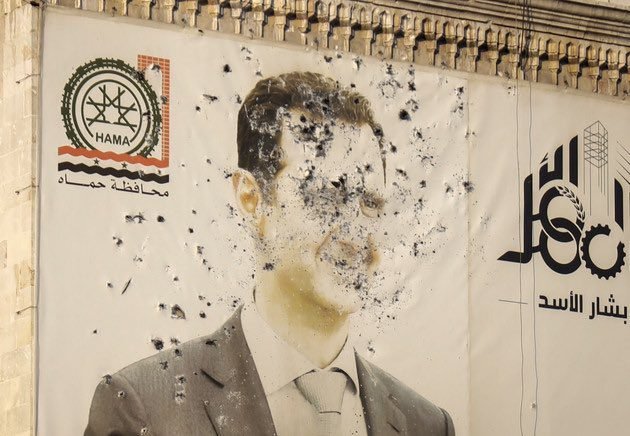
In Damascus, residents described scenes of panic as traffic jams snarled streets and citizens scrambled to stockpile supplies and withdraw money. “The situation was not like this when I left my house this morning… suddenly everyone was scared,” said a resident, Rania. Protesters in a Damascus suburb toppled a statue of Assad’s father, the late President Hafez al-Assad, in a symbolic act of defiance.
Strategic Setbacks for Assad
Rebel forces announced earlier that they had captured the strategic city of Homs, a key location on the route to Damascus. However, the Syrian defence ministry denied these claims, stating that the situation in Homs remained “safe and stable.”
Meanwhile, hundreds of Syrian soldiers, including officers, have reportedly fled to Iraq, with one Iraqi security source placing the number at 2,000.
HTS, which began as al-Nusra Front, an al-Qaeda affiliate, has reasserted itself as a dominant force in the conflict, following years of consolidating power in Idlib and Aleppo provinces. Its Syrian Salvation Government administers areas under its control.
Global and Regional Reactions
International responses to the dramatic developments have varied. U.S. President-elect Donald Trump urged against American intervention in Syria, writing on Truth Social that the U.S. should “not get involved.”
Russia, a staunch backer of the Assad regime, condemned the prospect of a rebel takeover. “It is inadmissible to allow a terrorist group to take control of Syrian territory,” said Russian Foreign Minister Sergei Lavrov. Similarly, Tehran, another of Assad’s key allies, has remained silent on its next steps.
Turkish President Tayyip Erdogan, whose government backs some armed groups in northern Syria, remarked that the country “is tired of war, blood, and tears.”
A Turning Point in a Long Conflict
The collapse of Assad’s regime comes after a protracted war that began in 2011 as a peaceful uprising before escalating into one of the region’s most devastating conflicts. The renewed rebel offensive over the past two months capitalized on the weakened positions of Assad’s allies, including Hezbollah, Iran, and Russia, which have been drawn into other conflicts.
As Damascus braces for a new era, the question remains whether the rebel groups, including HTS, can consolidate control and address the challenges of governance in a deeply fractured nation.
❤️ Support Independent Journalism
Your contribution keeps our reporting free, fearless, and accessible to everyone.
Or make a one-time donation
Secure via Razorpay • 12 monthly payments • Cancel anytime before next cycle


(We don't allow anyone to copy content. For Copyright or Use of Content related questions, visit here.)

The Chenab Times News Desk