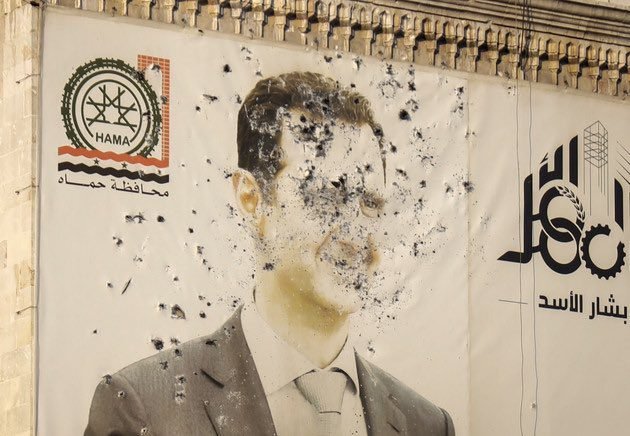
DAMASCUS, December 9 – Syrian rebels led by former al-Qaeda affiliate Hayat Tahrir al-Sham (HTS) seized control of Damascus on Sunday, prompting President Bashar al-Assad to flee the country, reportedly to Russia. This dramatic development marks the end of over 50 years of Assad family rule in Syria, plunging the nation into a new chapter fraught with uncertainty.
The Syrian parliament, now aligned with the rebel movement, issued a statement on Monday, calling December 8 a “historic day” for the country. “We support the will of the people to build a new Syria towards a better future governed by law and justice,” it said, according to the state news agency SANA, whose Telegram logo now bears the three-star flag of the Syrian opposition.
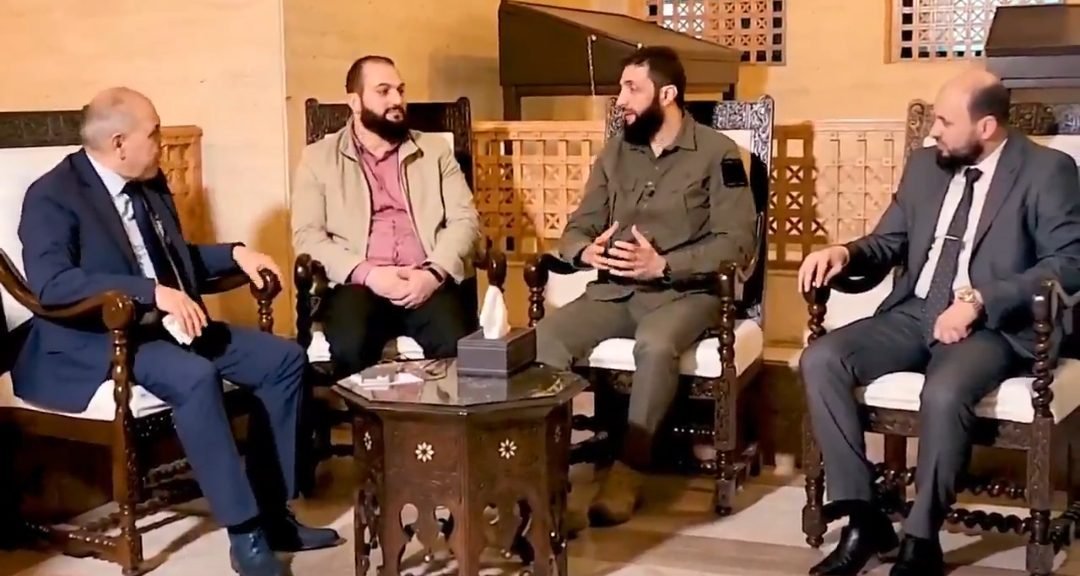
Rebel leader Abu Mohammed al-Jolani, now using his real name Ahmed al-Sharaa, held talks with outgoing Prime Minister Mohammed al-Jalali on Monday to discuss the “transfer of power.” A statement by the rebels said the meeting was aimed at ensuring continuity of public services for Syrians.
Assad’s Whereabouts Uncertain
Assad’s exact location remains unconfirmed. Kremlin spokesperson Dmitry Peskov declined to verify reports of his presence in Moscow, stating, “As for Mr. Assad’s whereabouts, I’ve got nothing to tell you.” Meanwhile, reports indicate that most Syrian government ministers are still working from offices in Damascus under rebel oversight.
Challenges Ahead for Rebels
The rebel coalition faces mounting challenges as it transitions from insurgency to governance. Rebel leadership has pledged a representative government, religious tolerance, and respect for individual freedoms. In a bid to reassure the public, the General Command issued a statement on Monday forbidding any interference with women’s clothing or personal appearance.
Despite these assurances, the coalition’s Islamist roots and the presence of HTS—a group designated as a terrorist organization by Western governments—have drawn international concern. HTS leader Jolani, however, has sought to distance the group from its extremist past, promising inclusivity and unity.
Regional and International Reactions
The swift collapse of Assad’s government has sent shockwaves through the region. Israel conducted airstrikes on former Syrian government military sites on Monday, targeting weapons depots and strategic positions, according to the Syrian Observatory for Human Rights. Israel also established a buffer zone in southern Syria after Assad’s forces withdrew.
Meanwhile, major European nations, including Germany, France, and Austria, announced a freeze on pending asylum applications from Syrian nationals, citing the sudden political shift.
The Organisation for the Prohibition of Chemical Weapons (OPCW) issued a reminder to Syria about its obligations under international law to safeguard chemical weapon sites. The OPCW said it is monitoring developments closely and maintaining communication with Syrian representatives in The Hague.
Humanitarian Efforts and Refugee Returns
Streams of refugees have begun returning to Syria, hopeful for peace under the new administration. The United Nations has called for patience and vigilance to ensure their safety. However, the scars of war remain. In Saydnaya prison, once infamous for brutal repression under Assad’s rule, White Helmets rescuers have begun searches for hidden chambers or survivors.
Aida Taha, 65, a resident of Damascus, described her desperate search for her brother, arrested in 2012. “We’ve been oppressed long enough. We want our children back,” she said.
A Nation at a Crossroads
The rebel victory follows a devastating 13-year civil war that claimed over 500,000 lives and displaced millions. HTS’s lightning offensive to capture Damascus signals a shift in Syria’s power dynamics but leaves questions about the country’s future governance.
As Syria stands on the brink of transformation, the world watches closely, grappling with the implications of the fall of one of the region’s most entrenched regimes.
Inputs from AFP and AP.
❤️ Support Independent Journalism
Your contribution keeps our reporting free, fearless, and accessible to everyone.
Or make a one-time donation
Secure via Razorpay • 12 monthly payments • Cancel anytime before next cycle


(We don't allow anyone to copy content. For Copyright or Use of Content related questions, visit here.)

The Chenab Times News Desk