


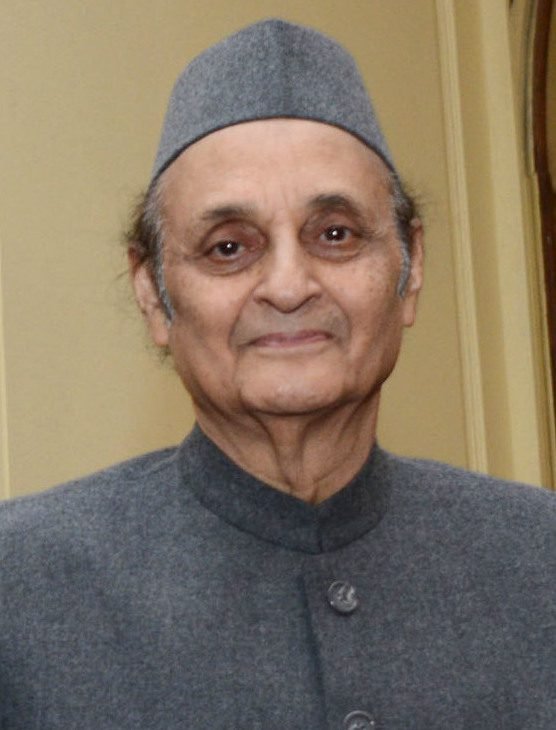
SRINAGAR, Dec 13 – Veteran Congress leader and scion of Jammu and Kashmir’s former royal family, Karan Singh, has welcomed Chief Minister Omar Abdullah’s decision to revive the historic “Darbar Move,” hailing it as a step toward fostering unity and preserving the region’s cultural legacy.
The Darbar Move, a tradition started by Singh’s great-grandfather Maharaja Ranbir Singh in the 19th century, involves the biannual relocation of government offices between Srinagar and Jammu to ensure administrative access to both regions. The practice was halted in 2021 under Lieutenant Governor Manoj Sinha’s administration, citing cost savings enabled by e-governance.
Singh, the son of the last Dogra ruler Maharaja Hari Singh, praised the revival of the practice, calling it a “brilliant project” essential for bridging the significant cultural, linguistic, and geographical differences between Jammu and Kashmir.
“A Visionary Legacy”
“My great ancestor realized that the differences between Jammu and Kashmir were so vast that unless they were bridged, it would be difficult for the two regions to coexist peacefully,” Singh said in a statement on Thursday.
Highlighting the economic and cultural significance of the move, Singh noted that the influx of employees and officials from Kashmir during winter was a crucial economic driver for Jammu. “Now that Jammu and Kashmir has been reorganized into two union territories, the importance of initiatives like the Darbar Move is even greater for fostering unity and inclusivity,” he said.
Unity Over Cost-Saving
Chief Minister Omar Abdullah, who announced the restoration of the practice after a three-hour meeting with civil society representatives in Jammu, echoed Singh’s sentiments. Abdullah dismissed financial concerns over the estimated ₹200 crore annual expense of the Darbar Move, emphasizing its symbolic value in promoting harmony and balanced governance.
“Some things cannot be weighed purely in monetary terms. The Darbar Move ensures both regions feel represented and united. Its absence risks alienating communities,” Abdullah said.
A Critical Tradition
Singh underscored that the Darbar Move transcends logistical convenience, serving as a powerful symbol of Jammu and Kashmir’s shared heritage. “This initiative has historically allowed people from different regions to come together, bridging divides and fostering mutual understanding,” he said.
The announcement has drawn praise from political and civil society leaders alike, with many viewing it as a move to rekindle regional ties and protect a cherished tradition. Critics, however, continue to question its relevance in an era of digital governance.
As preparations for the move’s implementation begin, Singh’s endorsement has added significant weight to the decision, underscoring the importance of preserving the socio-cultural fabric of Jammu and Kashmir.
❤️ Support Independent Journalism
Your contribution keeps our reporting free, fearless, and accessible to everyone.
Or make a one-time donation
Secure via Razorpay • 12 monthly payments • Cancel anytime before next cycle


(We don't allow anyone to copy content. For Copyright or Use of Content related questions, visit here.)

The Chenab Times News Desk


