By Syed Kamran Ali
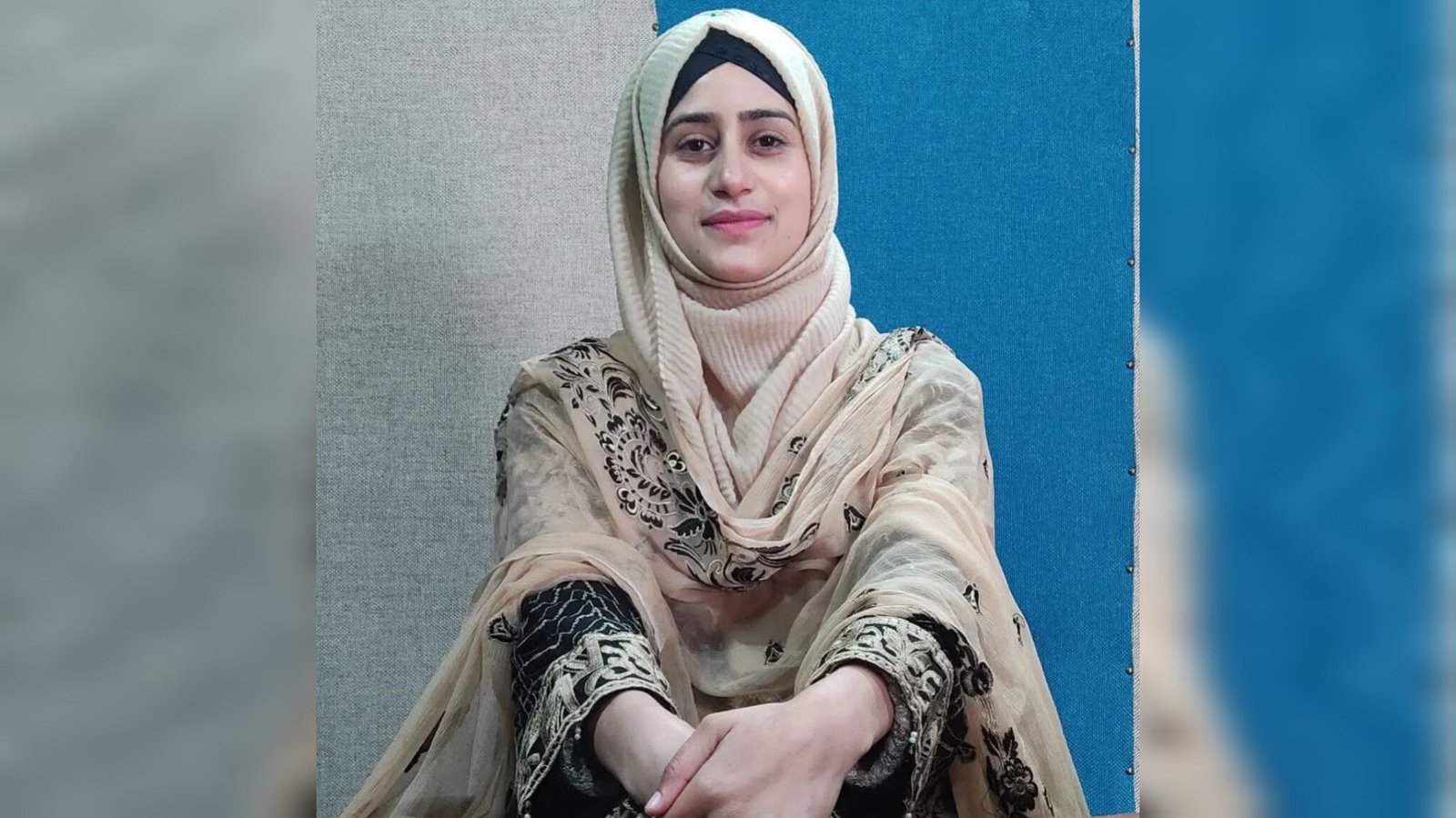
In the quiet village of Mastandra, nestled within the remote hills of Surankote tehsil in Jammu and Kashmir’s Poonch district, a remarkable voice has risen—strong, spirited, and resolute. Faieza Tabasum, once a shy village girl, now commands the airwaves as the first female Radio Jockey from District Poonch.
At just three years into her career with Radio Pir Panjal, Tabasum has become a familiar name across the Pir Panjal region, not just for her voice but for the courage and determination that underpin it. Her popular afternoon show, Bol Ke Lab Azad Hain Tere, airing from 1 PM to 3 PM, focuses on women-centric issues—child marriage, abuse, gender equality, and the often-overlooked contributions of women in journalism.
“It’s a platform for women to hear their own voices in mine,” she says with conviction. “Each story I share, each topic I explore, is rooted in the hope that someone, somewhere, feels seen.”
Raised in a modest household of four—her mother and two younger siblings—Faieza lost her father at a young age. The responsibility of the family fell heavily on her shoulders. While pursuing her education, she worked as a school teacher for two years, balancing the demands of academia and livelihood. She holds a Bachelor’s degree from Jammu University, a Master’s from IGNOU, and a B.Ed from the University of Kashmir.
“My journey has not been without struggle,” she admits, “There was a time I felt completely alone. But radio changed everything—it gave me identity, self-esteem, and purpose.”
Beyond the console, Faieza is a woman of many pursuits. She is a storyteller, singer, and a passionate calligrapher. Her social media presence echoes her commitment to empowerment and education, where she shares motivational content, narrates stories, showcases artwork, and raises awareness on issues ranging from sexual harassment to rural education.
She now also serves as an Announcer with All India Radio—another milestone in a journey that began in a village far from the spotlight. To young women from similar backgrounds, she has become both a mirror and a beacon.
“When a woman tells me I’m her role model, it’s the greatest honour I could receive,” she says, softly but with unmistakable pride.
In a region where tradition often tugs against change, Faieza Tabasum’s voice breaks through with clarity. It is the voice of resilience, of transformation—and above all, of freedom.
❤️ Support Independent Journalism
Your contribution keeps our reporting free, fearless, and accessible to everyone.
Or make a one-time donation
Secure via Razorpay • 12 monthly payments • Cancel anytime before next cycle


(We don't allow anyone to copy content. For Copyright or Use of Content related questions, visit here.)