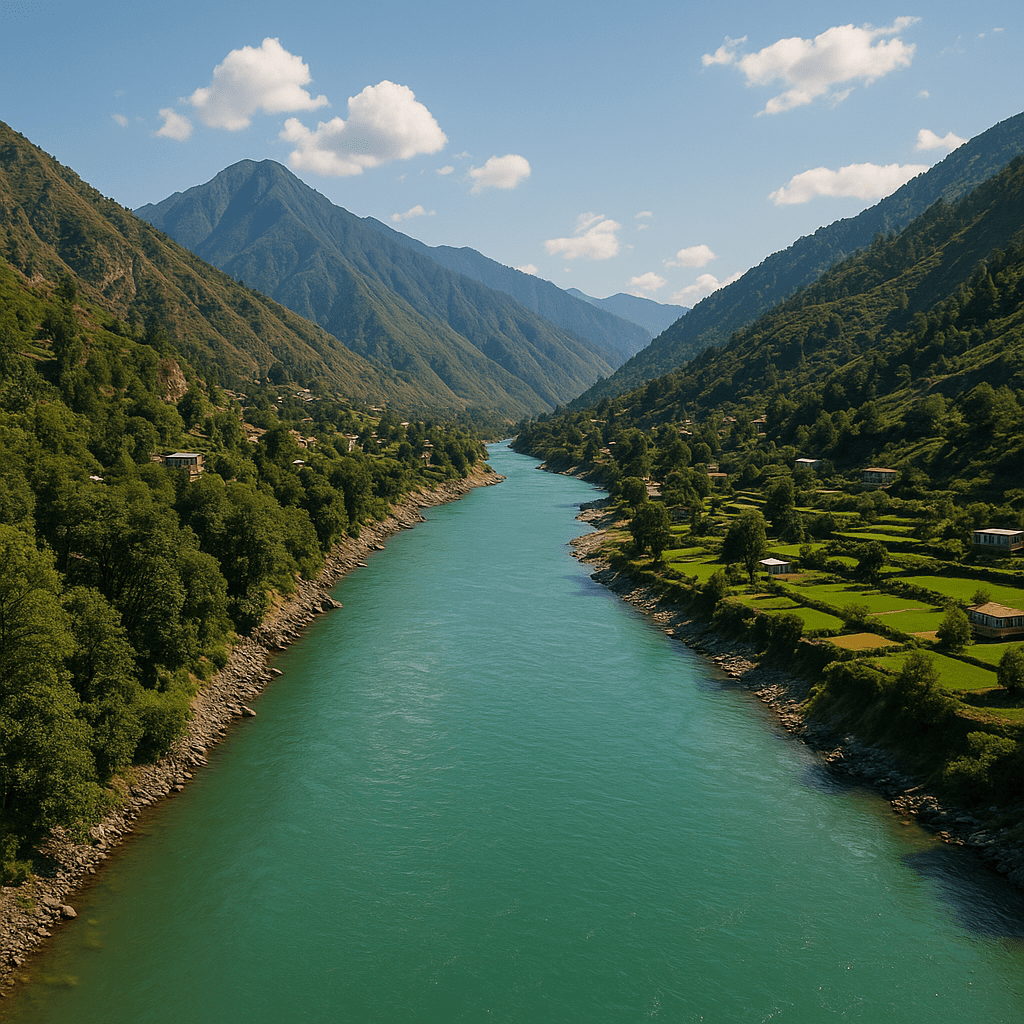
Originating in the mountains of Himachal Pradesh, the Chenab River flows through Jammu & Kashmir—passing Doda, Kishtwar, and Ramban—before entering Pakistan, playing a vital role along its course. It originates from the Himalayan mountains where two small rivers, Chandra and Bhaga, come together to form the great Chenab. It is a symbol of beauty, culture, heritage, and identity for the people of this region. Chenab is not just a river but a cultural thread that weaves together the identity of Doda, Ramban, and Kishtwar, which are collectively known as Chenab Valley. The people living in this region are referred to as ‘Chenabi’.
Language plays a vital role in preserving cultural heritage. It helps express ideas, emotions, and the transmission of culture and values across generations. There are different types of languages spoken in the regions like Doda, Ramban, and Kishtwar. The main languages spoken are Kashmiri, Bhaderwahi, Bhalesi, Sarazi, Poguli, Gojri, Kishtwari, Padri, Urdu, Hindi, and Dogri.
The people, whether Hindu or Muslim, have coexisted for centuries, celebrating each other’s festivals. There are a variety of festivals, music, and dances celebrated by the people of Chenab Valley which reflect harmony and brotherhood. Some of the festivals include Kanchoth, Devigol Festival, and Bhaderwah Winter Festival, which attract tourists and locals.
The Chenab Valley is home to numerous scenic and spiritually significant destinations. Among them, Bhaderwah—often referred to as “Chota Kashmir” or “Mini Kashmir”—stands out for its lush valleys, dense forests, and snow-capped mountains. With a deep-rooted connection to the ancient Naga culture, Bhaderwah is also known as the “Land of Snakes,” particularly due to the revered Vasuki Nag Temple. It’s a favored destination for trekking, nature photography, and cultural exploration. In the Kishtwar district, sites like Gulabgarh, Sarthal, and Bimalnag offer stunning natural beauty and local charm. The region also boasts prominent pilgrimage spots such as Machail Mata Temple and Sarthal Devi Temple in Kishtwar, and Vasuki Nag Temple and Gupta Ganga in the Doda district—drawing devotees and tourists alike throughout the year.
The Chenab Valley is known for its unique arts and handicrafts, including handmade woolen sweaters, shawls, and embroidery work.
In the Chenab Valley of Doda district, Bhaderwah is known for its traditional folk dance called “Dheku Dance”. Additionally, the region also has the “Thali Dance,” which is popular in some areas of Doda and Kishtwar, particularly in Ramban district.
The culinary traditions of the Chenab Valley are a blend of simplicity, flavor, and local produce. While everyday foods like Rajma-Chawal, Dum Aloo, and Makki ki Roti with Sarson ka Saag are commonly enjoyed, what truly defines the local cuisine are traditional and lesser-known dishes unique to the region. For example, Satrodhiyan — a specialty from Kishtwar — is a deeply traditional dish prepared during festivals and family gatherings. Locally foraged items like Kasrodh (fiddlehead ferns) and Kolth (horse gram) also hold a special place in Chenabi households, often cooked with traditional spices passed down through generations. These dishes not only reflect the region’s agrarian lifestyle but also its deep connection to seasonal and homegrown ingredients.
Chenab River is a significant source of hydroelectric power generation, which helps produce electricity. There are various dams that generate electricity through hydroelectric power, i.e., Baglihar Dam, Dul Hasti Dam. There are also under-construction projects like Ratle Hydroelectric Plant, Kiru Hydroelectric Project, etc.
There have been ongoing discussions around the need for special reservation or quota policies for the Chenab Valley, aimed at addressing long-standing social and economic disparities. Such measures could provide greater opportunities to marginalized communities in fields like education and employment, helping to improve representation and living standards. Empowering the Chenabi population through targeted developmental schemes and support systems may help bridge existing regional gaps. However, without concrete implementation, the people of Chenab Valley continue to feel neglected and underrepresented in mainstream policymaking.
Beyond this, the region faces several pressing challenges. These include inadequate infrastructure, limited access to essential services, and frequent natural disasters such as earthquakes and landslides that disrupt livelihoods. Health facilities are scarce, electricity remains inconsistent, roads in rural areas are poorly maintained (leading to accidents and delays), and internet connectivity remains unreliable in areas like Paddar (Machail), Bimalnag, and other remote villages.
To be Chenabi — the Chenab region with its rich cultural heritage and diverse traditions — holds a unique place in the hearts of its people.
“Proud to be Chenabi.”
❤️ Support Independent Journalism
Your contribution keeps our reporting free, fearless, and accessible to everyone.
Or make a one-time donation
Secure via Razorpay • 12 monthly payments • Cancel anytime before next cycle


(We don't allow anyone to copy content. For Copyright or Use of Content related questions, visit here.)
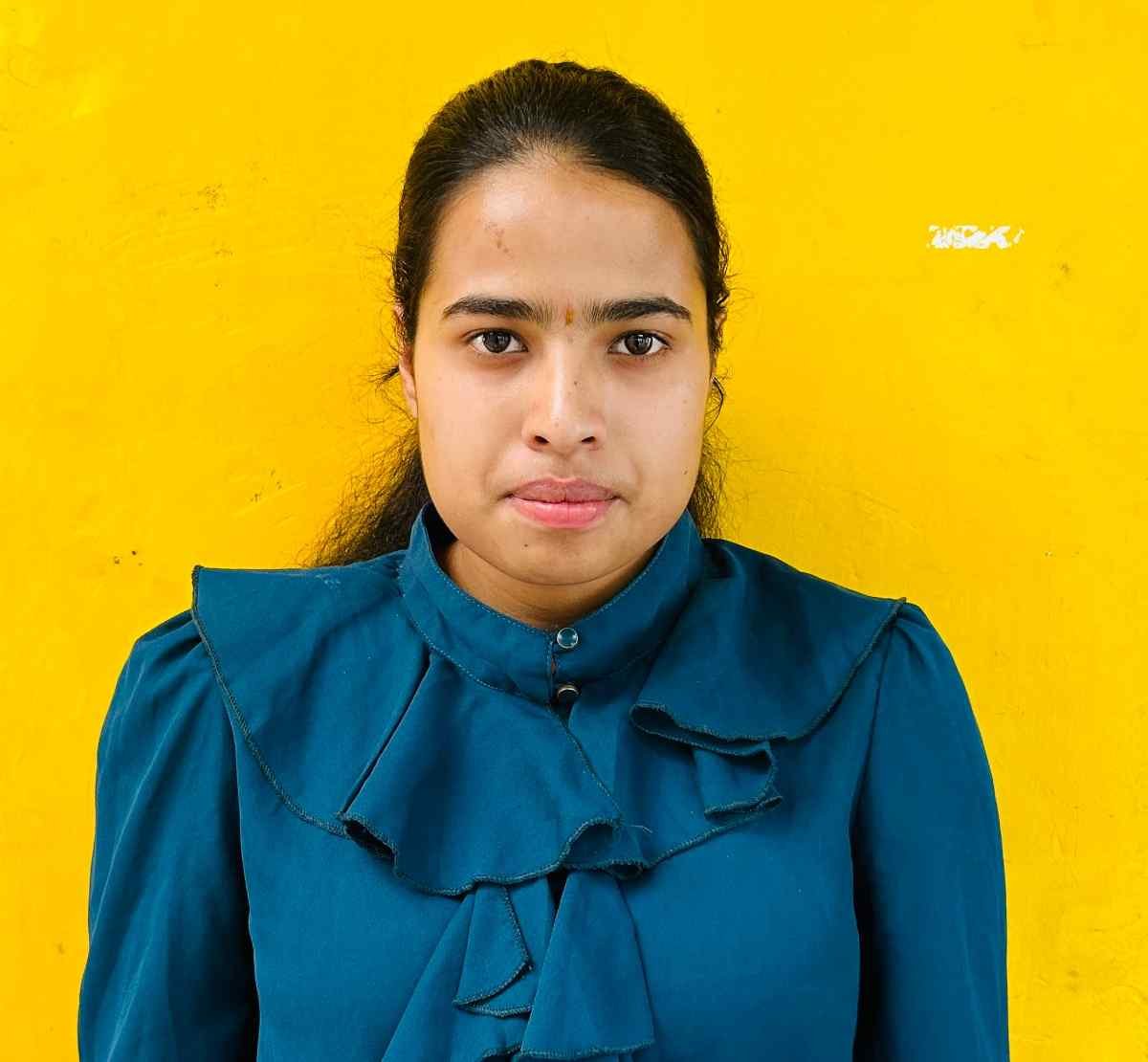
Sneha Gupta is a BA student of GDC Thathri.