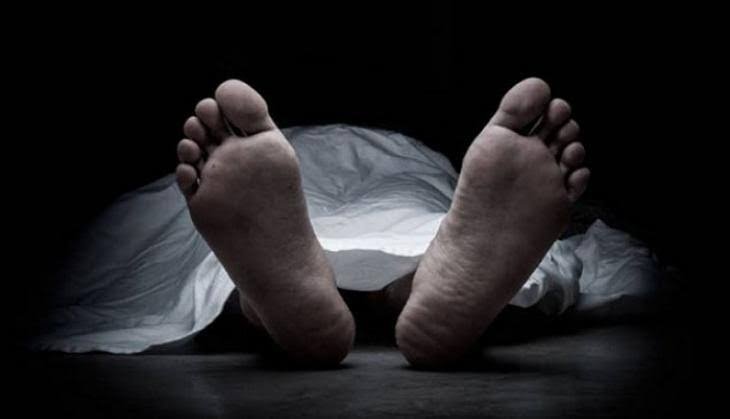
Doda: In the quiet hills of Kahara, a tehsil in Jammu and Kashmir’s Doda district, grief has settled like a stubborn mist. Over the past seven years, five killings — each separated by months or years, yet linked by the absence of closure — have left families and public in a state of limbo. For them, justice is not merely delayed; it is imperceptibly absent.
2018 Retired army officer’s murder case
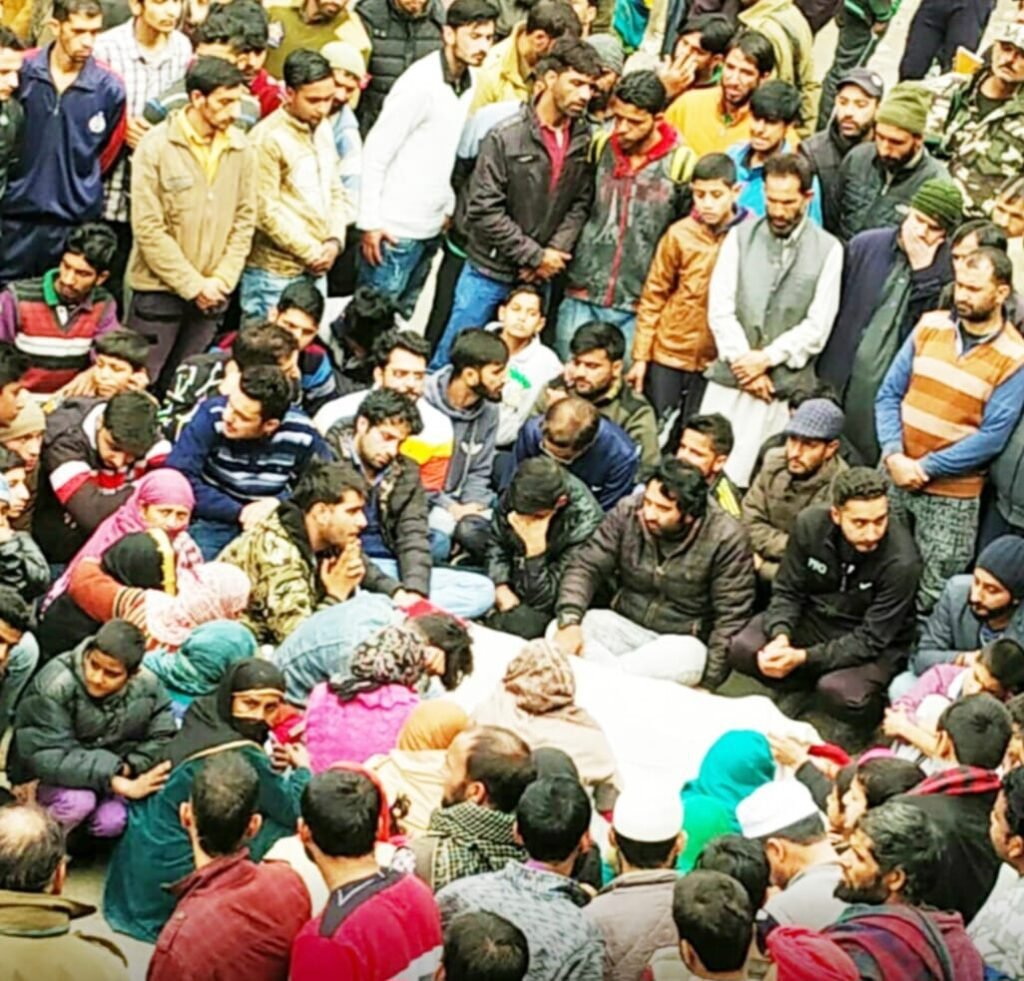
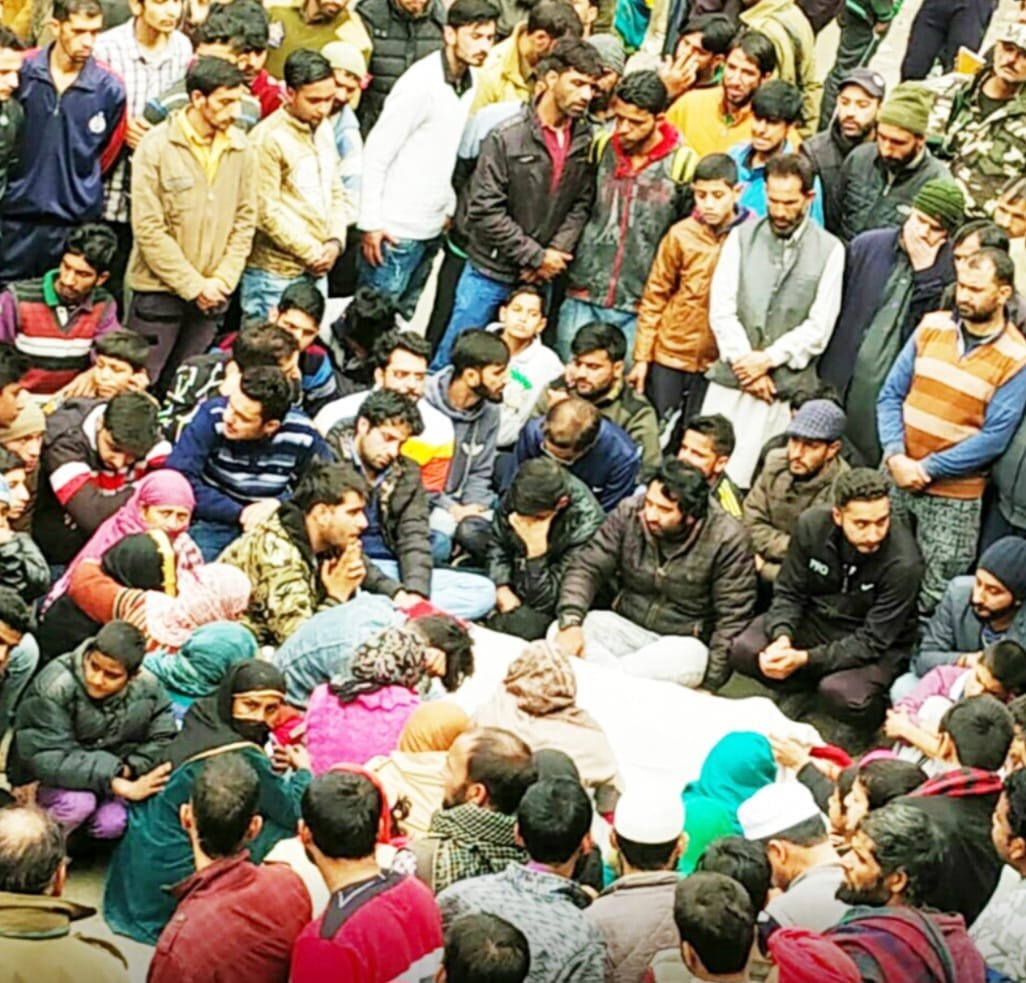
The first incident dates back to November 26, 2018, during the third phase of panchayat elections. Retired Army officer Mohammad Hafiz, popularly known as Hafeez Fouji, was killed in what police described as a clash between two groups at a polling booth in Joura Khurd. Six others sustained injuries. The incident, which could have set the tone for a decisive investigation given its public setting, instead became the first in a series of unresolved tragedies. No charges have been publicly confirmed, nor has the motive been clarified.
The main chowk remained blocked during the protest, as the relatives carried the lifeless body onto the road to demand justice.
2021 Father-sons murder case
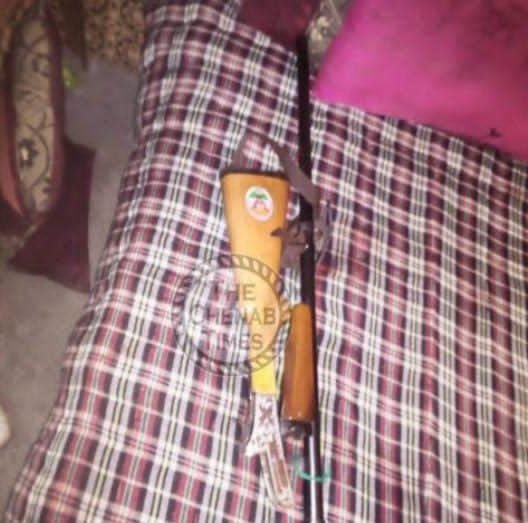
Then came the violence of May 31, 2021. In Kahara Tehsil, Sumeet Singh (38) and his two teenage sons — Chander Kant (17) and Kamal Kant (15) — were found dead inside their home. Initial police statements suggested a murder-suicide, alleging that Singh had shot his sons with a 12-bore rifle before turning the weapon on himself. Yet, within the village, scepticism runs deep. “There were too many unanswered questions — the positioning of the bodies, the timeline of events. The official version never convinced us,” a local elder said. The inquiry, police had assured at the time, was “ongoing to ascertain facts”. More than four years later, no conclusive report has been made public.
The father-sons murder case remained in discussion for months as relatives protested and demanded justice.
2025 Minor girl mysterious death case
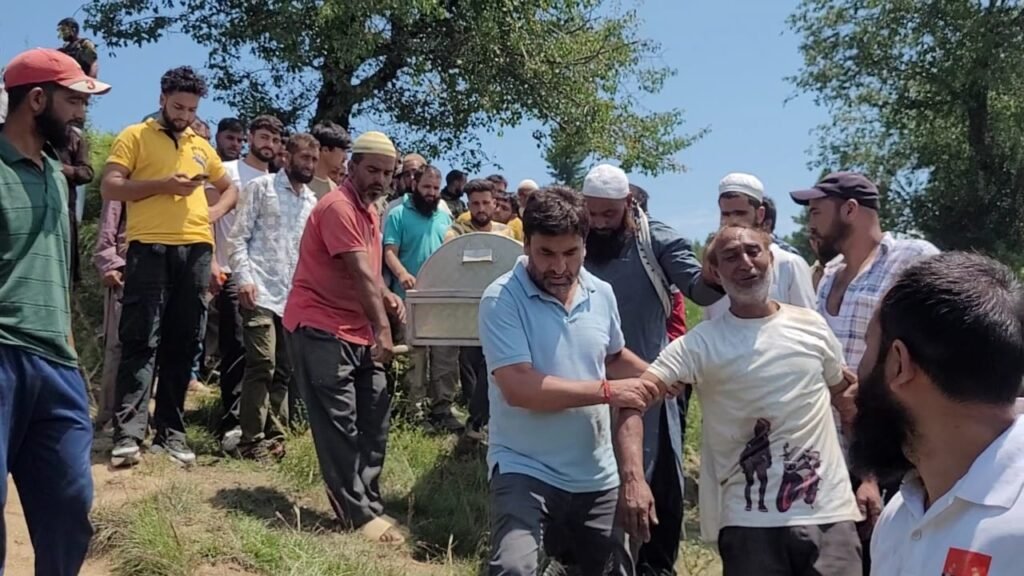
The most recent case unfolded on July 7, 2025, when the body of a 14-year-old girl was discovered under suspicious circumstances in Kahara. The death ignited anger across the region, with residents demanding clarity on whether foul play was involved. Authorities have neither disclosed the cause of death nor addressed the growing perception of investigative inertia.
What unites the three episodes — spanning five deaths — is not just their brutality, but the conspicuous absence of official engagement with the public. Families and neighbours say they have received no substantive updates. No press briefings have been held. “We have been waiting for years, but there has been no justice. Not even a single public statement from the authorities,” said a relative of one victim, his voice tightening with visible anguish.
The silence, residents warn, risks becoming more corrosive than the crimes themselves. In a joint appeal this month, community leaders urged the administration to reopen all pending cases, conduct transparent and time-bound investigations, and identify those responsible. The alternative, they fear, is a deepening rupture between citizens and the justice system.
In Kahara tehsil, the hills remain serene, but for the bereaved, peace is nowhere in sight.
❤️ Support Independent Journalism
Your contribution keeps our reporting free, fearless, and accessible to everyone.
Or make a one-time donation
Secure via Razorpay • 12 monthly payments • Cancel anytime before next cycle


(We don't allow anyone to copy content. For Copyright or Use of Content related questions, visit here.)

Raja Shakeel is a journalist associated with The Chenab Times. Read More.