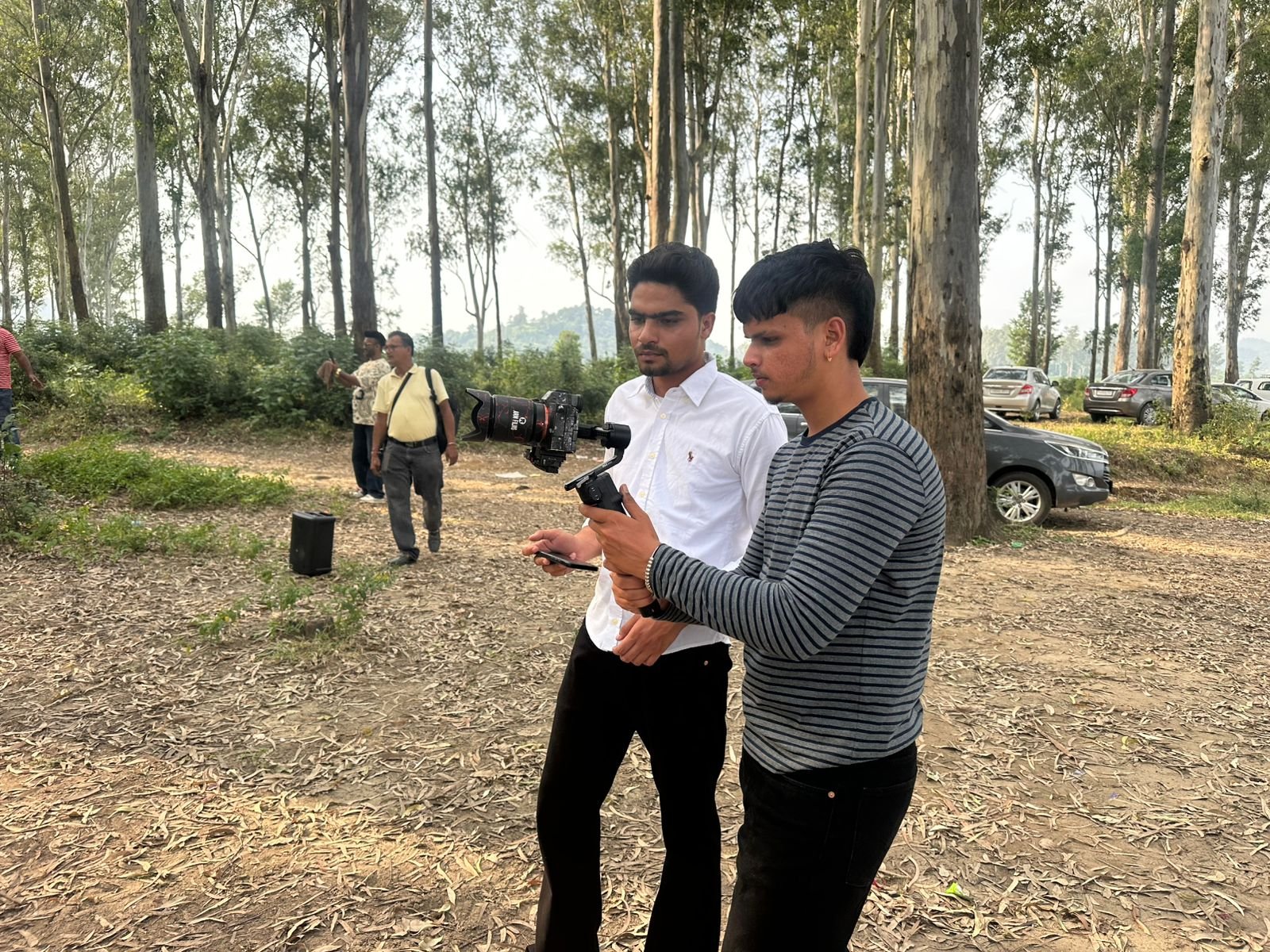
JALANDHAR, October 9 — In the verdant fields and bustling bazaars of Punjab, where folklore and modernity intertwine like the threads of a finely woven phulkari, Parambir Singh—better known as Param Dabbri—has emerged as a quiet architect of visual poetry. Hailing from the unassuming village of Dabbri Malsian in Jalandhar district, this Director of Photography (DOP) is redefining the aesthetic contours of Punjabi cinema and music videos. With a gaze that captures the soul of the soil, Dabbri’s work transcends mere technical proficiency, infusing every frame with the raw pulse of cultural authenticity and emotional resonance.
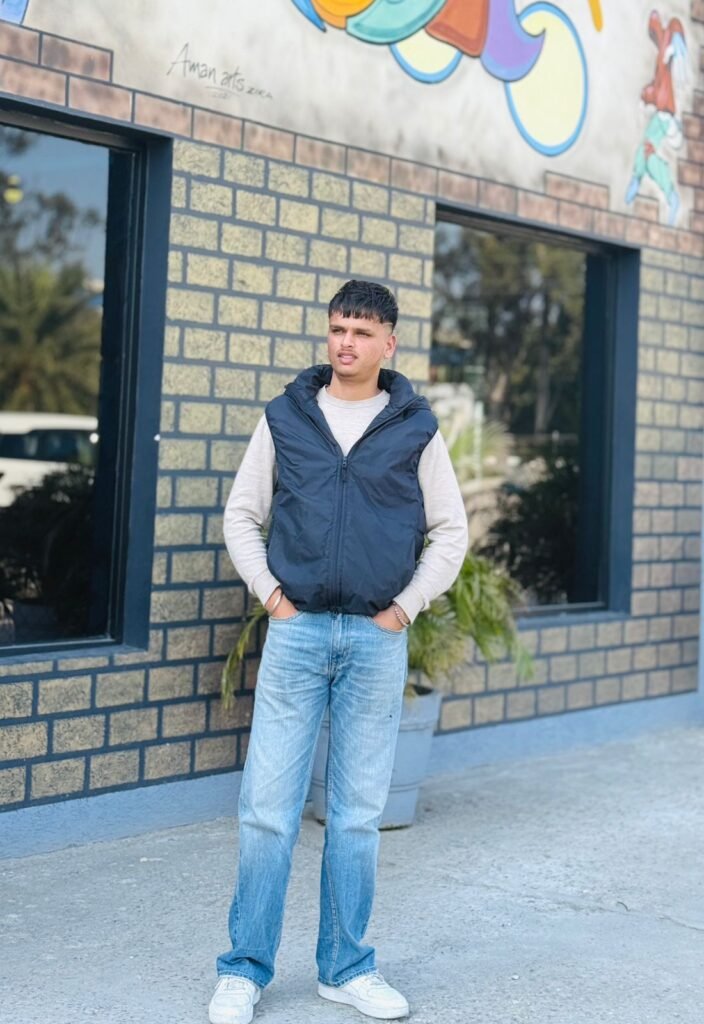
Dabbri’s ascent in an industry often dominated by high-decibel narratives is marked by a deliberate restraint—a hallmark of his craft. Born into a milieu steeped in Punjab’s oral traditions of valor and kinship, he channels this heritage into visuals that evoke both intimacy and expanse. “The lens is my bridge to the stories my village whispered,” Dabbri reflected in a recent conversation, underscoring how his rural upbringing informs a cinematography that balances the rustic with the rhythmic. Collaborations with stalwarts like Bebo Bhua, Amrit Alam, Harjeet Jassal, Harman Bath, Surjit Boda, and Harpreet Ricky have not only honed his versatility but also positioned him as a linchpin in Punjab’s creative renaissance.
A Year of Cinematic Milestones
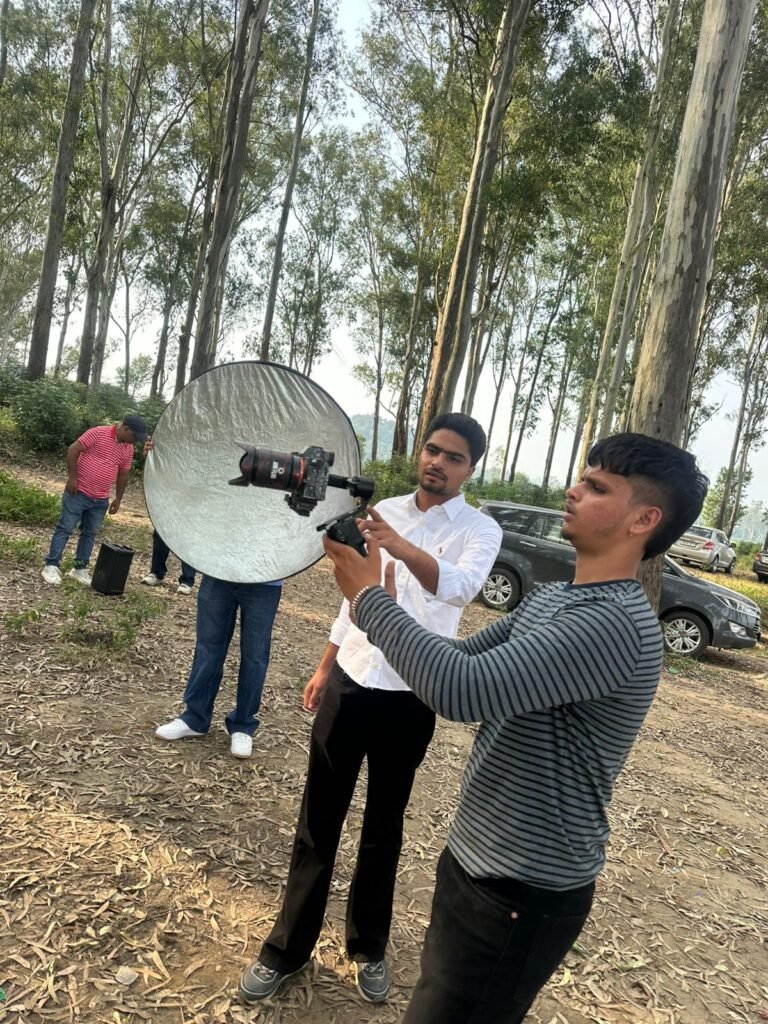
The calendar of 2024 stands as a testament to Dabbri’s evolving mastery, with a slate of releases that span the spectrum from familial comedies to introspective melodies. In Fukra Fufrah Chabal Bhua, a whimsical exploration of kinship and caprice, Dabbri’s cinematography weaves humor with heartfelt depth. His adept use of natural light and dynamic framing transforms the film’s rural vignettes into a tapestry of lived experience, elevating what could have been a light romp into a visually layered meditation on community bonds.
No less compelling is his contribution to Meri Sass Vakeel Naal Fasi, where dramatic tensions unfold against a backdrop of nuanced interpersonal strife. Here, Dabbri’s lighting choices—subtle shadows that mirror inner turmoil—lend a rhythmic elegance to the narrative’s emotional crescendos, affirming his intuitive grasp of storytelling’s visual cadence.
In Bhabhi De Hundi Si Khaj, part of the burgeoning New Punjabi Movies 2024 anthology, Dabbri turns his lens to the intricacies of relational dynamics in a pastoral setting. His raw, unfiltered imagery—golden-hour sweeps over mustard fields and close-ups that probe unspoken yearnings—imbues the film with a verisimilitude that grounds its complexities in the everyday poetry of Punjabi life.
Venturing into music videos, Dabbri’s collaboration on “Anakh Naal Jeena” by Balbir Ragini marks a poignant fusion of tradition and contemporaneity. Released in 2023 but gaining renewed traction this year, the track’s visuals, under Dabbri’s stewardship, marry Ragini’s soul-stirring vocals with a mosaic of modern motifs and ancestral motifs. Sweeping drone shots of Punjab’s timeless landscapes juxtaposed against intimate performer portraits create a sonic-visual symphony that honours cultural continuity while beckoning global audiences.
Roots as the Bedrock of Vision
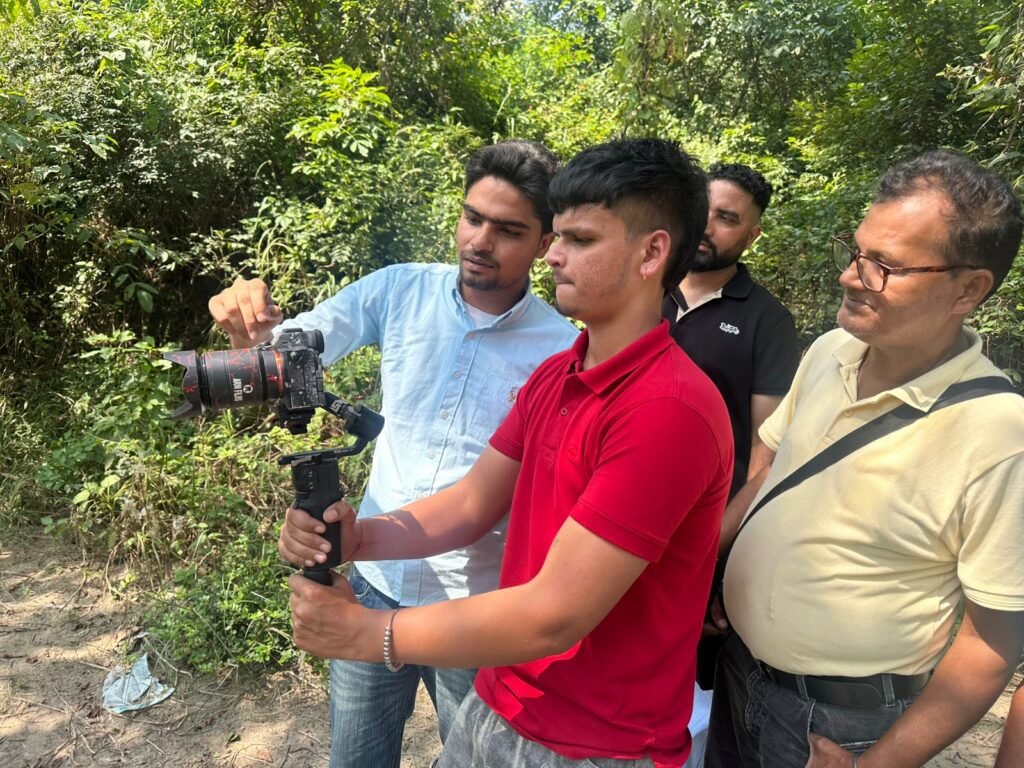
What distinguishes Dabbri amid Punjab’s expanding cinematic firmament is his unyielding tether to provenance. In Dabbri Malsian, amid tales of resilience passed down through generations, he cultivated an eye for the profound in the prosaic. This rootedness manifests in his oeuvre as a profound respect for Punjab’s ethos—be it the quiet dignity of a shared meal or the exuberance of a harvest dance. In an era where visual storytelling wields unprecedented influence, Dabbri’s approach eschews ostentation for authenticity, ensuring that Punjab’s narratives are not merely seen but felt.
As the Punjabi entertainment ecosystem extends its reach beyond borders—bolstered by streaming platforms and diaspora circuits—talents like Dabbri are pivotal in upholding artistic rigour. With forthcoming ventures already stirring anticipation, he remains committed to a philosophy where each project is a homage to the land that shaped him. “Frames are fleeting, but the stories they hold endure,” he muses.
In Dabbri’s hands, Punjab’s chronicles are not just illuminated; they are immortalised—testaments to a vision as enduring as the Ravi’s flow. As he peers through the viewfinder toward horizons yet uncharted, the industry watches with quiet admiration, awaiting the next chapter in this lensman’s luminous legacy.
❤️ Support Independent Journalism
Your contribution keeps our reporting free, fearless, and accessible to everyone.
Or make a one-time donation
Secure via Razorpay • 12 monthly payments • Cancel anytime before next cycle



(We don't allow anyone to copy content. For Copyright or Use of Content related questions, visit here.)
 |
|||
| Full name | Tahir Rihat | ||
|---|---|---|---|
| Also known as | Tahir Bilal | ||
| Date of Birth | 02 January 1999 | ||
| Occupation | Journalist; Online Editor | ||
| Employer | The Chenab Times | ||
| Base | Thathri, Doda, Jammu & Kashmir, India | ||
| Website | tahirrihat.com | ||
| Social | YouTube | ||
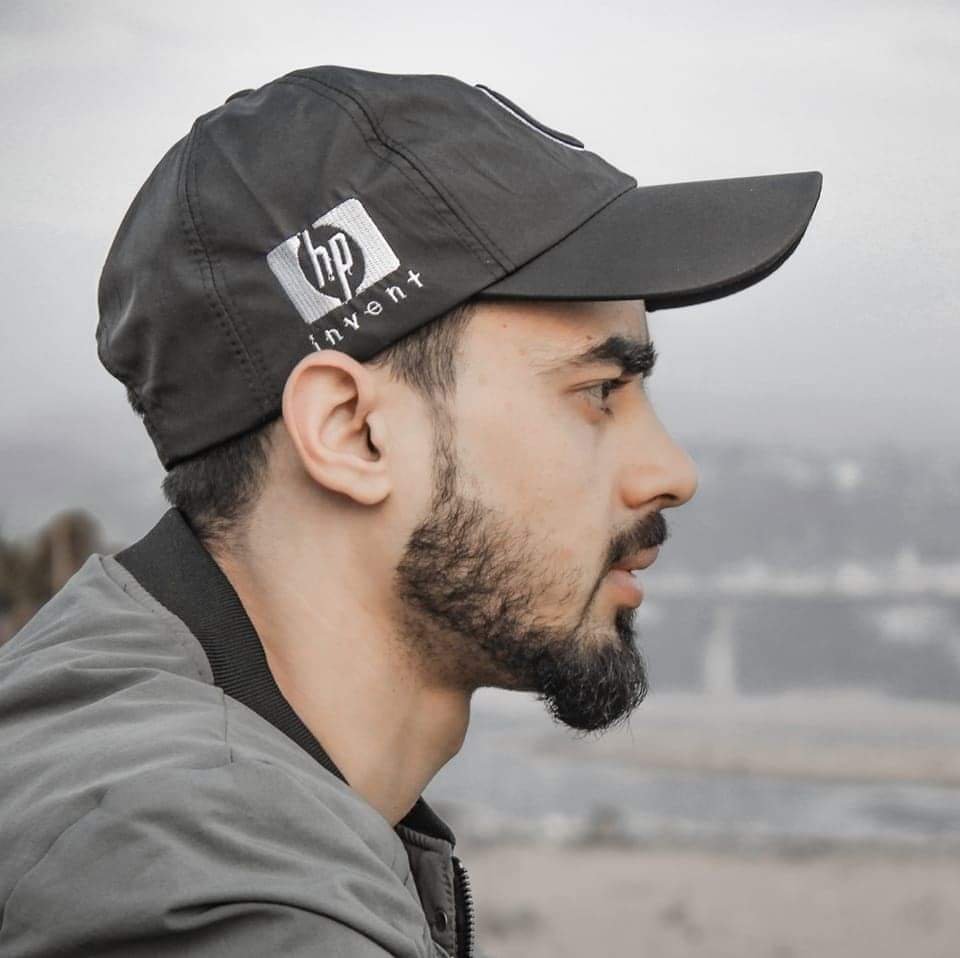
Tahir Rihat (also known as Tahir Bilal) is an Indian journalist and online editor at The Chenab Times. Based in Thathri, Doda, he reports on regional affairs, civic governance, and human-interest stories across Jammu and Kashmir. Rihat also maintains a personal website, tahirrihat.com, where he shares professional updates and reflections on journalism in the Chenab Valley.