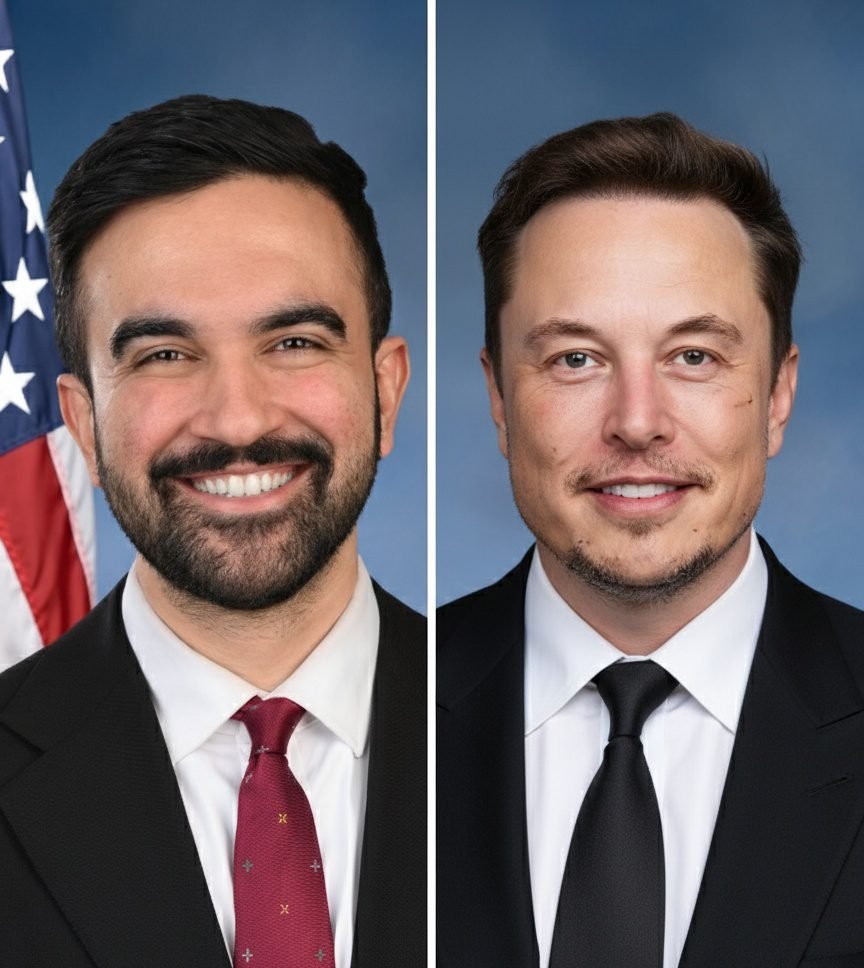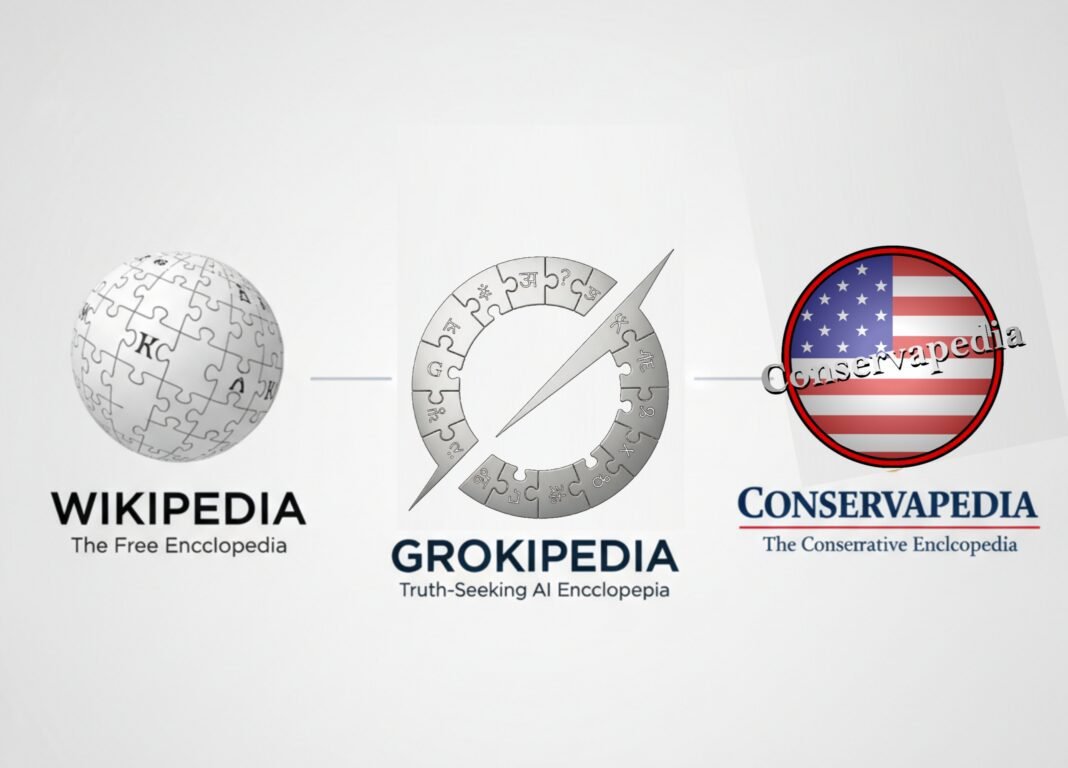
In the ever-evolving landscape of digital knowledge repositories, the announcement of Grokipedia in late September 2025 has sparked intense debate. Spearheaded by xAI, the artificial intelligence venture founded by Elon Musk, Grokipedia positions itself as an open-source encyclopedia designed to eclipse Wikipedia through enhanced accuracy, transparency, and AI-driven curation. Yet, as development progresses—now delayed until further refinements as of October 27, 2025—critics and observers draw parallels to Conservapedia, a 2006 rival born from similar grievances over ideological bias. This article examines Grokipedia’s origins, features, and comparisons to its predecessor, presenting a balanced view of its potential as a neutral innovator or a partisan echo.
Wikipedia, launched in 2001, has long dominated as the go-to source for crowdsourced information, boasting over six million English articles and billions of monthly views. However, it has faced persistent scrutiny for systemic biases. Studies and anecdotal evidence suggest a left-leaning tilt in editorial decisions, particularly on politically charged topics such as climate change, gender issues, and historical events. High-profile figures, including Musk, have amplified these concerns, labeling Wikipedia as “Wokipedia” and accusing it of being influenced by “an army of left-wing activists.” Such criticisms underscore a broader distrust in centralized, volunteer-driven moderation, where anonymous edits can perpetuate echo chambers. This discontent has historically birthed alternatives, prompting questions about whether Grokipedia represents genuine reform or merely a rebranded ideological counterweight.
Grokipedia emerges from xAI’s overarching mission to “understand the true nature of the universe” through truth-seeking AI. Announced via Musk’s X platform (formerly Twitter), the project envisions a vast, dynamic database curated not solely by human hands but augmented by Grok, xAI’s large language model. At its core, Grokipedia aims to integrate real-time AI analysis for content verification, summarization, and bias detection across sources. Contributors—recruited openly through xAI’s channels—are encouraged to build articles on diverse subjects, from science to current events, with the platform remaining fully open-source and free of paywalls. Musk has emphasized its role in purifying AI training data, arguing that Wikipedia’s flaws hinder the development of “truly truthful” models. Early prototypes suggest features like multimedia embedding and cross-referenced citations, potentially making it more interactive than static wikis. As of now, the site at grokipedia.fun serves as a placeholder for contributions, though full launch remains pending due to rigorous quality assurance—Musk’s recent quip, “better to arrive late than to arrive ugly,” highlights this deliberate pace.
To contextualize Grokipedia, one must revisit Conservapedia, the most enduring Wikipedia challenger from the conservative sphere. Founded by Andrew Schlafly, son of anti-feminist activist Phyllis Schlafly, in 2006, Conservapedia arose amid frustrations over Wikipedia’s handling of topics like evolution, abortion, and U.S. conservatism. Schlafly cited instances of “liberal bias,” such as downplayed references to creationism or sympathetic portrayals of Democratic figures, as justification for a parallel encyclopedia. With a mandate to uphold “pro-family, pro-life” values, Conservapedia relies on manual edits by a vetted community of like-minded volunteers. Its articles often incorporate explicit conservative framing—e.g., a dedicated section on “liberal bias” in media—and have grown to around 60,000 entries. Despite its niche appeal, Conservapedia has been critiqued for factual inaccuracies and insularity, even among conservatives, who frequently default to Wikipedia for broader research.
The resemblance between the two projects is striking in their genesis: both stem from accusations of leftward skew in Wikipedia’s governance. Musk’s rhetoric mirrors Schlafly’s, framing Grokipedia as a bulwark against activist-driven distortions. As The Chenab Times has reported, Wikipedia co-founder Larry Sanger, a vocal critic of the platform’s evolution toward progressive orthodoxy, has endorsed Grokipedia, viewing it as a competitive force that could compel reforms. Online discourse on X reflects this sentiment, with users hailing it as a “game changer” for unbiased inquiry in fields like technology and cryptocurrency. Both initiatives invite community input, albeit with ideological undercurrents—Conservapedia through explicit guidelines, Grokipedia via Musk’s influence on xAI’s ethos.
Yet, substantive differences delineate Grokipedia from its analog. A comparative overview illuminates these nuances:
| Aspect | Conservapedia | Grokipedia |
|---|---|---|
| Ideological Stance | Overtly conservative; enforces viewpoints on social and political issues. | Claims neutrality via AI bias-detection; focuses on “first-principles” truth-seeking. |
| Moderation Mechanism | Human-led by aligned editors; prone to manual interventions. | AI-augmented (Grok models) with human oversight; real-time source verification. |
| Scale and Technology | Modest article count; traditional wiki format without advanced tools. | Targets comprehensive coverage; incorporates AI for dynamic updates and multimedia. |
| Accessibility | Free but niche; limited growth due to partisan perception. | Open-source and broadly invitational; integrated with Grok interfaces for queries. |
Conservapedia’s manual approach has led to documented errors, such as unsubstantiated claims in historical entries, fostering perceptions of it as a “satirical” outlet rather than a scholarly one. In contrast, Grokipedia’s AI backbone promises scalability and objectivity—Grok could, in theory, flag propaganda from any ideology, including Musk’s own libertarian-leaning commentary. However, skeptics caution that AI systems inherit their creators’ priors; Grok has occasionally exhibited right-leaning quirks in outputs, raising fears of subtle infusion. xAI’s resources, including vast computational power, position Grokipedia for rapid expansion, unlike Conservapedia’s grassroots stagnation.
The potential ramifications of Grokipedia extend beyond encyclopedic rivalry. Proponents argue it could democratize knowledge by mitigating Wikipedia’s vulnerabilities, such as edit wars and donor influences from entities like the Wikimedia Foundation. In an era of misinformation, AI-verified content might enhance reliability for researchers, educators, and AI developers. Early X buzz suggests enthusiasm among tech enthusiasts, who see it as a step toward “post-bias” information ecosystems. Challenges persist, however: delays underscore the difficulty of purging inaccuracies at scale, and questions linger about governance—who arbitrates AI decisions? Ethical concerns around data privacy and algorithmic transparency also loom, echoing broader AI debates.
As Grokipedia inches toward realization, its trajectory invites reflection on the encyclopedia’s future. Will it fulfill xAI’s vision of a universal truth engine, fostering diverse contributions unmarred by factionalism? Or will it mirror Conservapedia’s fate, becoming a silo for one perspective amid Musk’s polarizing persona? Historical precedents suggest alternatives thrive when they transcend grievance, emphasizing utility over vendetta. With Sanger’s support and community momentum, Grokipedia holds promise as a hybrid model—human ingenuity fused with machine precision. Yet, its success hinges on execution: transparency in AI processes and inclusive moderation could distinguish it as a true alternative, while opacity risks relegating it to another ideological footnote.
Ultimately, Grokipedia arrives at a pivotal moment, as public trust in online sources wanes. Whether it redefines knowledge dissemination or joins the ranks of well-intentioned but flawed rivals remains to be seen. For now, it highlights a timeless tension: in pursuit of truth, can technology neutralize the human biases it seeks to supplant? The answer unfolds article by article.
❤️ Support Independent Journalism
Your contribution keeps our reporting free, fearless, and accessible to everyone.
Or make a one-time donation
Secure via Razorpay • 12 monthly payments • Cancel anytime before next cycle


(We don't allow anyone to copy content. For Copyright or Use of Content related questions, visit here.)