In early 2026, social media feeds are buzzing with the infectious beats of “Papaoutai,” a song that’s unexpectedly climbed back into the spotlight more than a decade after its original release. If you’ve scrolled through Instagram Reels or TikTok lately, you’ve likely encountered dance challenges, aesthetic edits, and emotional montages set to this track. But why is “Papaoutai” trending on Instagram and TikTok in 2026? What’s the story behind its poignant lyrics, and what do they really mean? In this detailed guide, we’ll break down the song’s resurgence, provide a full lyrics translation from French to English, explore its deep emotional meaning, and dive into the AI-generated remix that’s fueling the hype. Whether you’re a longtime Stromae fan or just discovering the song, read on to uncover why “Papaoutai” remains timeless.
The Resurgence: Why “Papaoutai” Is Trending on Instagram and TikTok in 2026
Released in 2013 as part of Belgian artist Stromae’s (real name Paul Van Haver) album Racine Carrée, “Papaoutai” was already a massive hit, amassing over a billion views on YouTube and topping charts across Europe. Fast-forward to January 2026, and the song is experiencing a viral revival, largely thanks to an AI-generated Afro Soul remix that’s dominating social media and streaming platforms.
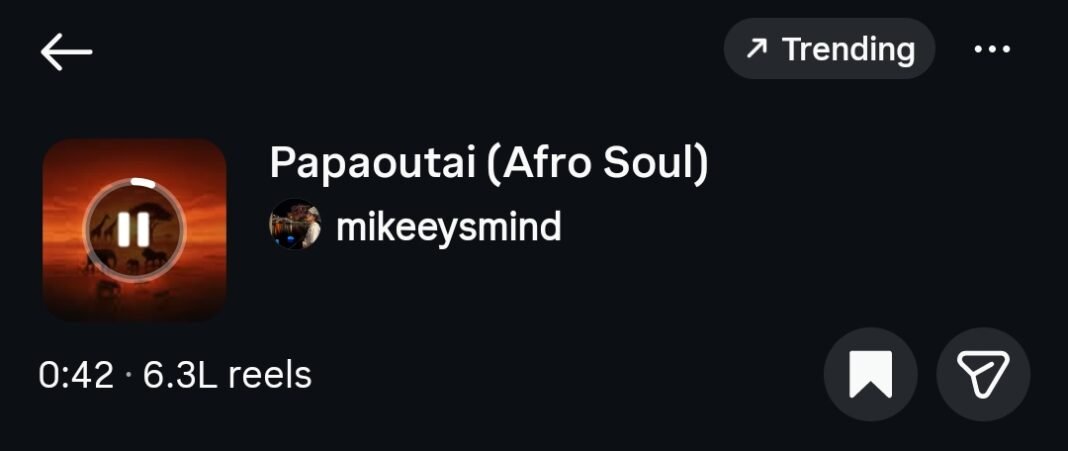
This new version, often credited to creators like Unjaps, mikeeysmind, and Chill77, reimagines the original’s electronic pop sound with Afrobeat rhythms, soulful choir layers, organic percussion, and warmer vocal textures. It debuted as the highest new entry on Spotify’s Global chart at No. 168, racking up 1.29 million streams in its first week. On platforms like Instagram and TikTok, the remix has exploded, with users creating content ranging from high-energy dance videos to travel vlogs and outfit-of-the-day (OOTD) posts. Hashtags like #Papaoutai, #PapaoutaiRemix, and #AfroSoul have garnered millions of views, turning the track into 2026’s first major viral sound.
The irony? Many are vibing to the upbeat remix without realizing its heartbreaking core message. Social media discussions highlight this contrast, with posts explaining the “sad story behind the song” going viral alongside fun edits. This blend of joy and melancholy has sparked debates on AI in music, cultural reinterpretation, and how old hits find new life in the digital age. As one Instagram post notes, “A song from 2013 is trending again in 2026… AI changed how it feels.”
The Original Song: Stromae’s Breakthrough Hit
Stromae, a Belgian-Rwandan singer-songwriter known for blending hip-hop, electronic, and world music influences, burst onto the global scene with “Papaoutai.” The title is a playful phonetic twist on “Papa, où t’es?” (Dad, where are you?), reflecting the song’s childlike curiosity and pain. The official music video, featuring Stromae in striking visuals with a mannequin-like father figure, has over 1 billion views on YouTube, making it one of the most-watched non-English songs ever.
The track’s original production is catchy and danceable, masking its deeper themes—a signature of Stromae’s style, seen in hits like “Alors on Danse.” But the 2026 remix adds an Afro Soul vibe, incorporating African choir elements and modern beats, which has broadened its appeal to global audiences. This version has been praised for expanding the song’s emotional reach while sparking controversy over AI’s role in “recreating” artists’ voices.
Full “Papaoutai” Lyrics with English Translation
The lyrics are bilingual in the user’s query, but for clarity, here’s the complete set with side-by-side French and English translations. Stromae sings in French, using simple, repetitive phrasing to evoke a child’s innocent questioning. The chorus—”Où t’es, papaoutai?”—is the earworm that’s hooked millions.
| French Lyrics | English Translation |
|---|---|
| Dites-moi d’où il vient | Tell me where he comes from |
| Enfin je saurai où je vais | Finally, I’ll know where I’m going |
| Maman dit que lorsqu’on cherche bien | Mom says that when you look hard |
| On finit toujours par trouver | We always end up finding |
| Elle dit qu’il n’est jamais très loin | She says he’s never far away |
| Qu’il part très souvent travailler | That he goes to work very often |
| Maman dit “travailler, c’est bien” | Mom says “working is good” |
| Bien mieux qu’être mal accompagné | Much better than being poorly accompanied |
| Pas vrai? | Not true? |
| Où est ton papa? | Where is your daddy? |
| Dis-moi, où est ton papa? | Tell me, where is your daddy? |
| Sans même devoir lui parler | Without even having to talk to him |
| Il sait ce qui ne va pas | He knows what’s wrong |
| Ah, sacré papa | Ah, holy daddy |
| Dis-moi, où es-tu caché? | Tell me, where are you hiding? |
| Ça doit faire au moins mille fois que j’ai | It must have been at least a thousand times that I |
| Compté mes doigts | Counted my fingers |
| Hey | Hey |
| Où t’es, papaoutai? | Where are you, papaoutai? |
| Où t’es, papaoutai? | Where are you, papaoutai? |
| Où t’es, papaoutai? | Where are you, papaoutai? |
| Où t’es, où t’es où, papaoutai? | Where are you, where are you, papaoutai? |
| (Repeat chorus) | (Repeat chorus) |
| Quoi? | What? |
| Qu’on y croie ou pas | Whether we believe it or not |
| Y aura bien un jour où on n’y croira plus | There will be a day when we will no longer believe in it |
| Un jour ou l’autre, on sera tous papas | One day or another, we will all be dads |
| Et d’un jour à l’autre, on aura disparu | And any day now, we’ll be gone |
| Serons-nous détestables? | Will we be hateful? |
| Serons-nous admirables? | Will we be admirable? |
| Des géniteurs ou des génies? | Progenitors or geniuses? |
| Dites-nous qui donne naissance aux irresponsables? | Tell us who gives birth to irresponsible people? |
| Ah, dites-nous qui? | Ah, tell us who? |
| Tiens, tout le monde sait comment on fait des bébés | Hey, everyone knows how babies are made |
| Mais personne sait comment on fait des papas | But no one knows how dads are made |
| Monsieur je-sais-tout en aurait hérité, c’est ça | Mr. know-it-all would have inherited it, that’s it |
| Faut l’sucer d’son pouce ou quoi? | Should you suck it with your thumb or what? |
| Dites-nous où c’est caché, ça doit | Tell us where it’s hidden, it must |
| Faire au moins mille fois qu’on a | Do at least a thousand times that we have |
| Bouffé nos doigts | Eat our fingers |
| Hey | Hey |
| (Repeat chorus) | (Repeat chorus) |
| (Full repeat of verse and chorus) | (Full repeat of verse and chorus) |
These lyrics capture a child’s repetitive, anxious questioning, building to philosophical reflections on fatherhood.
What Do the “Papaoutai” Lyrics Really Mean? A Deep Analysis
At its heart, “Papaoutai” is a semi-autobiographical exploration of fatherly absence, identity, and the cycle of parenthood. The song shifts from a child’s naive perspective—counting fingers while waiting for dad—to broader questions: “Everyone knows how to make babies, but no one knows how to make dads.” This line critiques irresponsible parenting and societal norms around fatherhood.
The upbeat melody contrasts sharply with the lyrics’ pain, a deliberate choice by Stromae to highlight how people mask emotional voids with outward energy. Themes include:
- Loss and Longing: The child seeks origins to understand their path, symbolizing how parental absence affects self-identity.
- Mother’s Role: Mom’s excuses (“he’s working”) represent protective lies that soften harsh realities.
- Cycle of Absence: The bridge warns that we’ll all become parents someday—and potentially repeat the mistakes.
- Irresponsibility: Questions like “Who gives birth to irresponsible people?” challenge where accountability begins.
In the 2026 remix, these meanings gain new layers through Afro Soul elements, evoking communal grief and resilience—fitting given Stromae’s African roots.
Stromae’s Personal Story: The Real-Life Inspiration Behind “Papaoutai”
Stromae’s father, a Rwandan architect, was largely absent during his childhood and was killed in the 1994 Rwandan genocide when Stromae was just 9 years old. Raised by his Belgian mother in Brussels, Stromae has shared in interviews that he saw his father only a handful of times. While not strictly autobiographical, the song draws from this trauma, using humor and rhythm to process grief.
This backstory adds depth to the viral trend, with many 2026 posts urging listeners to “understand the pain” behind the vibes. It resonates globally, especially in communities affected by conflict or family separation.
The AI Remix Controversy: Innovation or Theft?
The Afro Soul version, suspected to use AI to mimic Stromae’s voice, has divided fans. Some praise it for breathing new life into the track, while others criticize it as unethical, potentially profiting off Stromae’s work without permission. Spotify playlists like “Reels Songs 2026 Instagram Viral Hits” feature it prominently, boosting its reach.
This trend highlights broader debates: Can AI expand music’s cultural impact, or does it undermine authenticity? Stromae himself hasn’t publicly commented, but the remix has undeniably introduced the song to a new generation.
Cultural Impact and How It’s Shaping Social Media Trends
“Papaoutai” isn’t just a song—it’s a cultural touchstone. In 2013, it sparked conversations on mental health and family dynamics. In 2026, it’s fueling inner-child healing trends, with users sharing personal stories of absent parents. On X (formerly Twitter), posts in multiple languages dissect its lore, from Turkish explanations of the genocide link to calls for listening to the original.
The remix’s success shows how AI and social media can revive classics, but it also reminds us to honor the human stories behind them.
Conclusion: Why “Papaoutai” Endures in 2026
From its 2013 debut to the 2026 AI-fueled trend, “Papaoutai” proves music’s power to transcend time and borders. Its catchy hooks hide profound questions about fatherhood, loss, and identity, making it relatable across generations. As the Afro Soul remix continues to trend on Instagram and TikTok, take a moment to appreciate the full story—beyond the vibes lies a heartfelt cry for connection. If you’re inspired, stream the original, dive into Stromae’s discography, or create your own content. What’s your take on the remix? Share in the comments below!
❤️ Support Independent Journalism
Your contribution keeps our reporting free, fearless, and accessible to everyone.
Or make a one-time donation
Secure via Razorpay • 12 monthly payments • Cancel anytime before next cycle


(We don't allow anyone to copy content. For Copyright or Use of Content related questions, visit here.)