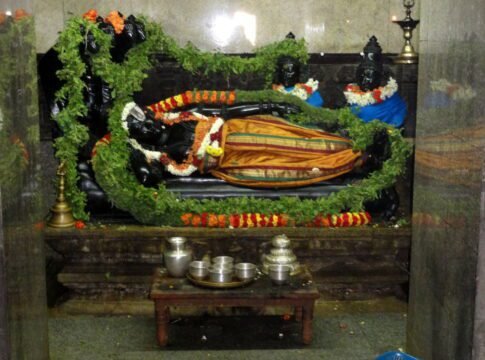
Pune-based contemporary performer Aditi Venkateshwaran is staging a play titled ‘Dearest, I Beg of You, Please Sleep Properly,’ which explores the growing issue of sleeplessness in urban life. The play features Venkateshwaran as Nidra Devi, the mythological goddess of sleep, who is depicted as having lost her powers due to humanity’s neglect. This artistic endeavor highlights a global phenomenon of sleep disturbances, with studies indicating that approximately one-third of adults experience insomnia symptoms at any given time, and up to 10 percent suffer from a full-fledged disorder.
Venkateshwaran’s project, initially conceived as a final-year student project at the Intercultural Theatre Institute in Singapore, stemmed from her observation that many people around her were perpetually tired. Her exploration led her to discover Nidra Devi, a figure rooted in Indian mythology, who is not widely known but is very much a part of the spiritual landscape. The play draws inspiration from the writings of Franz Kafka, encouraging a reflection on the urgent need to slow down in a fast-paced world.
Ancient Traditions and Modern Struggles
The theme of sleeplessness and the invocation of sleep deities are not new to Indian culture. Ancient Indian texts, including the Puranas and the Mahabharata, mention Nidra Devi, the goddess of sleep, and suggest invoking her with special hymns for restful slumber. Traditional Ayurvedic practices also offer a holistic approach to sleep disorders, emphasizing natural remedies and lifestyle adjustments. These include the use of herbs like Ashwagandha, Brahmi, Shatavari, and Jatamansi, known for their calming and sleep-inducing properties. Warm milk with turmeric, self-massage with Ayurvedic oils, and practices like Yoga Nidra and Pranayama are also recommended for promoting relaxation and improving sleep quality.
In contemporary India, sleep deprivation has become a significant public health concern. Surveys indicate that a large percentage of the population gets less than the recommended six to seven hours of sleep per night, a trend that has reportedly worsened post-COVID-19. Factors contributing to this include the pervasive use of electronic devices, the pressures of modern urban living, and increasing stress and anxiety levels. This has led to a rise in individuals seeking solutions, from wellness retreats offering ‘sleepcations’ to consultations with sleep specialists.
The Goddess Nidra in Mythology and Art
Nidra Devi, the goddess of sleep, is a significant figure in Hindu mythology, representing the profound stillness and renewal that follows rest. She is seen as a counterbalance to the forces of chaos and destruction, a reminder that even divine beings require rest to function optimally. The play by Aditi Venkateshwaran aims to reintroduce this ancient concept to a modern audience, urging a reevaluation of our relationship with sleep and a conscious effort to slow down.
The performance, titled ‘Dearest, I Beg of You, Please Sleep Properly,’ is scheduled to be staged at Shreeram Lagoo Rang Avakash. It portrays the goddess as forgotten and powerless, a metaphor for how modern society has neglected the fundamental need for sleep. The play seeks to not only entertain but also to provoke thought about the consequences of chronic sleep deprivation and the importance of embracing rest as a vital component of well-being.
The broader context of sleep in India reveals a complex interplay between ancient traditions and modern challenges. While traditional practices offer time-tested remedies, the increasing prevalence of sleep disorders underscores the need for greater awareness and proactive measures. The artistic approach taken by Venkateshwaran highlights the cultural and spiritual dimensions of sleep, inviting audiences to reconsider their own sleep habits and to perhaps, in a way, invoke the forgotten goddess of sleep.
❤️ Support Independent Journalism
Your contribution keeps our reporting free, fearless, and accessible to everyone.
Or make a one-time donation
Secure via Razorpay • 12 monthly payments • Cancel anytime before next cycle


(We don't allow anyone to copy content. For Copyright or Use of Content related questions, visit here.)

The Chenab Times News Desk