


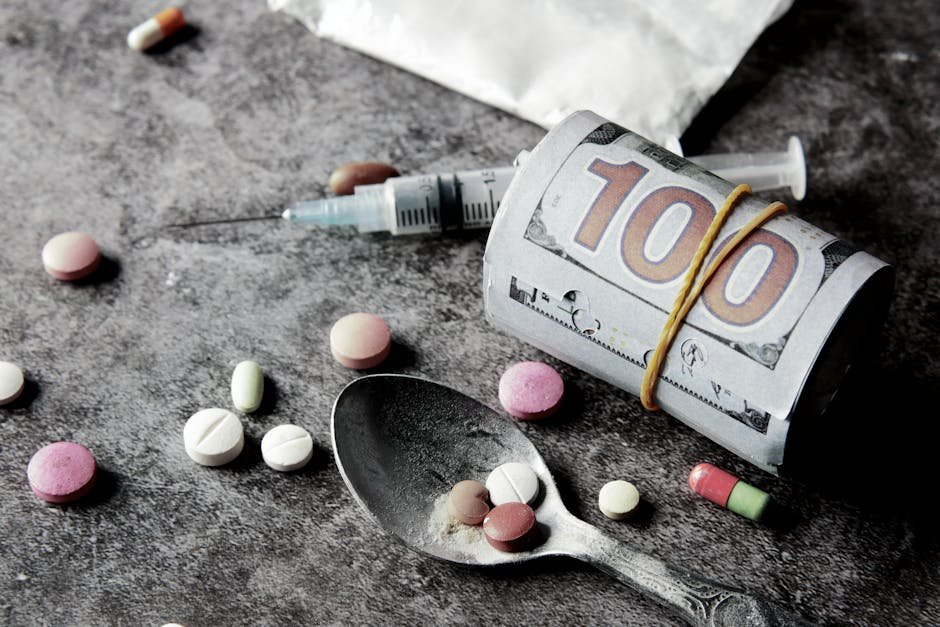
Jammu and Kashmir has initiated a comprehensive 100-day campaign, ‘Nasha Mukt Jammu Kashmir Abhiyaan,’ aimed at combating the escalating crisis of substance abuse and reclaiming the future of its youth. The initiative, spearheaded by Lieutenant Governor Manoj Sinha, is designed to address the pervasive issue that has deeply impacted the Union Territory.
Information was available with The Chenab Times indicating that the campaign is a multi-pronged strategy involving law enforcement, rehabilitation services, and community engagement. Lieutenant Governor Manoj Sinha has characterized the rising tide of drug abuse as part of a significant international conspiracy targeting the region’s youth.
The gravity of the situation is underscored by statistics revealing over 49,000 drug abuse cases registered in Jammu and Kashmir since 2022. The problem’s reach extends beyond urban centers like Srinagar and Jammu, permeating even remote rural areas, thereby posing a substantial threat to social stability across the Union Territory.
Pillars of the Campaign
The ‘Nasha Mukt Jammu Kashmir Abhiyaan’ is built upon three core pillars: a strict stance against perpetrators, institutionalized rehabilitation for users, and a broad-based public movement. The administration aims to dismantle drug supply networks by focusing enforcement efforts on major traffickers while treating individuals struggling with addiction as patients in need of care rather than criminals.
Enforcement and Interdiction
Under the directive ‘Don’t Touch the Innocent, Don’t Spare the Culprit,’ law enforcement agencies are tasked with dismantling the drug supply chain. This approach prioritizes intelligence-led policing and financial tracking of illicit networks to apprehend kingpins. The strategy marks a departure from solely focusing on users, aiming instead to disrupt the source of illegal substances.
Rehabilitation and Recovery
The campaign emphasizes institutionalized rehabilitation, guided by the newly enacted Jammu and Kashmir Substance Use Disorder Treatment Rules, 2026. These rules mandate stringent standards for de-addiction centers, ensuring that recovery is managed by qualified psychiatrists. A Unique Tracking Identification Number (UTIN) system will be implemented to monitor patient progress and prevent treatment dropout, thereby ensuring continuity of care. Beyond medical treatment, the focus extends to psychological counseling, vocational training, and social reintegration to facilitate sustainable recovery.
Community Mobilization
Recognizing that the administration cannot combat this crisis alone, the ‘Jan Andolan’ or People’s Movement pillar calls for mass mobilization. This involves engaging educational institutions, youth organizations like the NCC and NSS, religious leaders, political parties, and civil society groups. The aim is to foster a societal culture that actively discourages drug use and promotes collective responsibility in creating a drug-free environment.
The Lieutenant Governor has highlighted the societal reluctance to discuss substance abuse, noting that families often conceal it, communities stigmatize it, and individuals suffer in isolation. This silence has allowed addiction to spread, weakening families and communities. The campaign seeks to shift the perception of addiction from a moral failing to a complex health challenge requiring compassion and intervention.
The initiative, which commenced with a padyatra from Jammu on April 11, 2026, and is scheduled for a Srinagar launch in May, aims to preserve the health and spirit of the youth, thereby protecting the region’s natural beauty and cultural heritage. The success of the ‘Nasha Mukt Jammu Kashmir Abhiyaan’ is expected to hinge on a strong partnership between the administration and the public, requiring sustained dedication beyond a mere campaign.


The Chenab Times News Desk