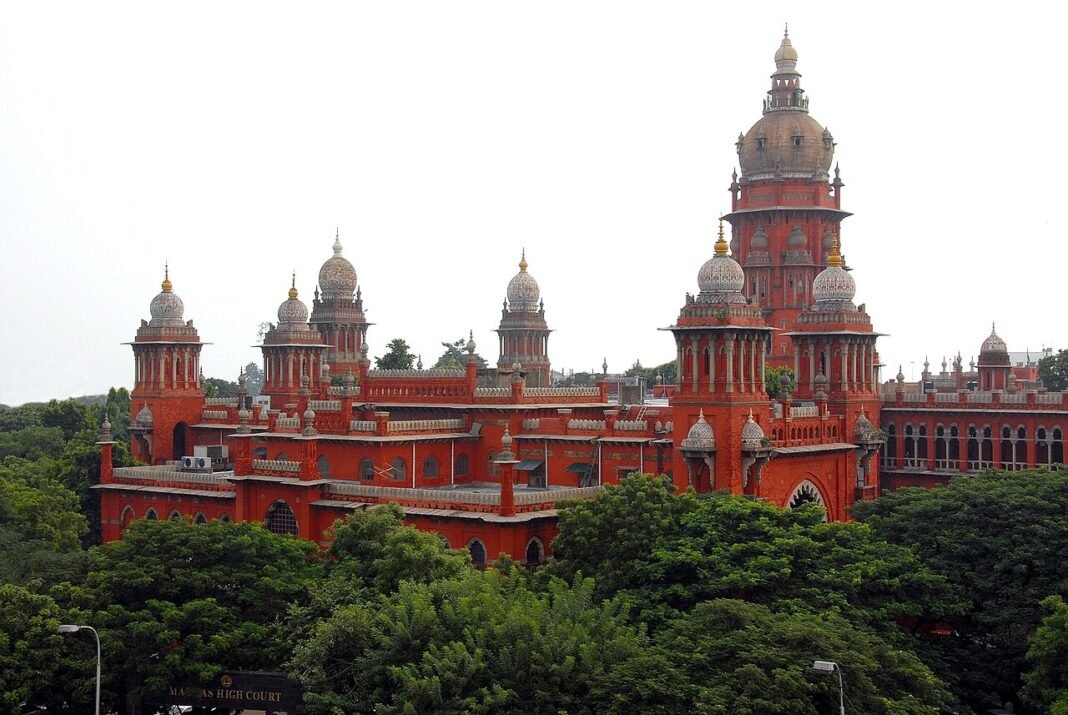
New Delhi: In a significant development for the judicial landscape of the Union Territories, President Droupadi Murmu has appointed 14 judicial officers as Judges and Additional Judges across multiple High Courts, including the High Court of Jammu and Kashmir and Ladakh. Among the appointees is Yash Paul Bourney, who will now serve as a Judge of the High Court of Jammu and Kashmir and Ladakh.
The Chenab Times has learned that these appointments were made following extensive consultations with the Chief Justice of India, as per an official notification. This move aims to bolster the judicial strength and ensure the efficient functioning of the higher judiciary in the respective regions.
The appointments span several High Courts across the country. For the Delhi High Court, seven judicial officers have been elevated. Nivedita Anil Sharma and Nisha Sahay Saxena have been appointed as Judges, while Sanjay Sharma, Bharat Parashar, Dr. Aditi Choudhary, Dinesh Bhatt, and Arun Bhardwaj have been designated as Additional Judges. These appointments are expected to bring fresh perspectives and expertise to the Delhi High Court’s bench.
In the Jharkhand High Court, three judicial officers have been appointed as Judges: Manoj Prasad, Akhil Kumar, and Ram Sharma. Their induction is anticipated to strengthen the judicial capacity in Jharkhand and expedite the resolution of pending cases.
Furthermore, the Karnataka High Court has seen the appointment of three judicial officers as Additional Judges. Usharani, K.S. Bharath Kumar, and Nerale V. Bhavani will now serve in these roles, contributing to the High Court’s administrative and judicial functions.
The appointment of Yash Paul Bourney to the High Court of Jammu and Kashmir and Ladakh is particularly noteworthy for the region. His elevation to the position of Judge is seen as a recognition of his service and a positive step towards strengthening the judicial system within the Union Territories of Jammu and Kashmir and Ladakh. The High Court plays a crucial role in upholding justice and constitutional principles in the region, and the new appointments are expected to enhance its capabilities.
The process of appointing judges to High Courts involves rigorous scrutiny and recommendations from various judicial and governmental bodies. The final approval by the President signifies the culmination of these checks and balances, ensuring that only deserving and competent individuals are elevated to the bench. These appointments reflect the government’s commitment to maintaining a robust and efficient judicial system nationwide.
❤️ Support Independent Journalism
Your contribution keeps our reporting free, fearless, and accessible to everyone.
Or make a one-time donation
Secure via Razorpay • 12 monthly payments • Cancel anytime before next cycle


(We don't allow anyone to copy content. For Copyright or Use of Content related questions, visit here.)

The Chenab Times News Desk