As a Bhaderwahi Musalman, my identity stands distinct from Indian Muslims or Muslims residing elsewhere in the world. I am not approaching this from a purely Islamic standpoint for the core principles remain consistent and should be upheld universally by Muslims. Rather, I am delving into the realm of culture–exploring how individuals lead their lives–the ‘everyday’ aspects of Bhaderwahi Musalman. What sets my identity apart? It is the sense of locality characterized by indigenous customs and traditions which places me within a unique identity framework. Therefore, this piece aims to examine cultural practices rather than delving into the intricate details of religious fundamentals. It is essential to distinguish between the two, and this piece should be interpreted accordingly.
Our mornings commence with the melodious recitation of Dua-e-Subho, a daily ritual in numerous mosques, notably Jamia Masjid Bhaderwah. For many of us, it is this prayer that wakes us up from slumber rather than the ringing of alarm clocks on phones or watches. Our day begins with a breakfast featuring Noon Chai (pink tea) paired with Roti. Without Noon Chai breakfast feels incomplete. Typically, our morning meal consists of Noon Chai accompanied by Paratha (known locally as mandas) or warukh (ghee chapati). While Noon Chai is taken at least twice a day, there is no set limit on how many cups one may consume in a day. It is not merely a beverage; it is akin to an elixir that adds richness to our lives.
Majority of the Muslims in the region speak Kashmiri language which is widely spoken across the Chenab Valley. Although with distinct phonological features, the variant of Kashmiri spoken in places like Kishtwar is referred to as Kishtwari, representing a different dialect of the same language. Aside from the Chenab Valley, Kashmiri is also spoken in various parts of the Jammu province. While some Muslims in the Chenab valley may also speak languages like Sarazi and Bhaderwahi, the predominant language remains Kashmiri, with a significant population in each district conversant in it. In fact, Kashmiri serves as the mother tongue for over 60% of the population in district Doda, with over 90% population that can understand the language. This information is first-hand, supported by factual evidence rather than relying on sources like Wikipedia—once an apolitical platform and now turned in battleground for cultural wars. Without delving further into this debate, let us return to my hometown—Bhaderwah.
When it comes to attire the locals here keep pace with contemporary fashion trends. If Hijab is in, so is the Jeans—both often representing contrasting ends of the fashion spectrum. There is not a specific attire that defines people here; neither is there a particular cuisine or clothing that dictates one’s Bhaderwahi identity. However, a Bhaderwahi Musalman might prefer the Pakol or Prayer cap over the Himachali cap, Khan dress over Kurta Pyjama, Pheran over the Gaddi Coat, Noon Chai and Mandas over Chhatloyi, and Rice over Chapati.
Regardless, Rajma Dal remains a constant culinary preference across various groups and communities. It is essential to respect people’s choices. The attempts of homogenization would put in jeopardy the beautiful cultural mosaic Bhaderwah (or for that matter Chenab valley) has been since long. It also truncates the possibility of understanding regional complexities. So, let a thousand flowers bloom. Let diversity flourish. When it comes to Eid celebrations in my region, Eid-ul-Fitr is not about sweets as is the case with mainland India where it is called as Meethi Eid nor is Eid-ul-Adha called Bakar Eid. There is a difference both in literal and metaphorical sense. Known locally as Laket Eid (Eid-ul-Fitr) and Baed Eid (Eid-ul-Adha), these occasions are more about indulging in non-vegetarian cuisine. The Eid rituals commence with a visit to the graveyard after the Fajar prayers for Fateh Khawani.
Subsequently, Eid prayers are offered in the Eid Gahs, with people gathering from various areas to the Markazi Eid Gah in groups reciting naats while proudly holding the Parcham-e-Islam (Islamic flag). Following the Eid prayers, it is customary to listen to the awe-inspiring Salami-e- Parcham-e-Islam written by our own Diwan Sahab (Khawaja Abdul Rehman) which serves as a poignant reminder of significant events in Islamic history. From a cultural standpoint, Eid prayers feel incomplete without reciting this anthem. Yet attendance is not mandatory, reflecting the tolerance for diverse perspectives. The Parcham-e-Islam is then taken back to the Jamia Masjid amidst a large congregation reciting naats.
Originating in Bhaderwah, this anthem has gradually been embraced by other areas including Doda proper and Kishtwar. A friend of mine from Bhaderwah often humorously teases his cousins in Doda about the unique style they have adopted for Salami ceremony. Nonetheless, his intentions are full of pun. His only desire is for the continuation of this ceremony across generations, in any manner preferred, without altering the lyrics. Bhaderwah has fostered talented poets like Diwan Sahab, Rasa Javidani (revered as the Shayar- e-Fitrat of Jammu and Kashmir), Rind Bhaderwahi, Wafa Sahab, Sagar Sehrai, and Taskeen Badanvi to name a few.
Growing up in a family deeply rooted in agricultural practices, I recall various tasks such as Gadhun (ploughing and weeding), Seetun (levelling uneven terrain), Mazchun (flattening flooded fields), and Ruhai (planting paddy). Ruhai, particularly, is akin to a celebration where all family members would come together and plant paddy. Paddy fields full of mud is no less than Essel World for children where they would play and simultaneously learn how to plant paddy. This occasion is followed by Nendun (manual weeding). Lunch is served right at the field with a unique meal named Ruhai Bat’te eagerly anticipated by all as if it carries a sacred aura. It was sought even by those who had relocated from Bhaderwah to the plains of Jammu.
Traditionally, weddings used to occur post-harvest season. There were two primary reasons for this timing. Firstly, people would find themselves relatively free from agricultural responsibilities during this period. Secondly, it was customary for families to prepare rice from their own harvest for the wedding feasts.
However, nowadays, the timing of marriages has shifted to the summer months. While modern practices like Haldi Mehndi ceremonies have replaced traditional rituals like Mal’le Maanz, and cake-cutting has become quintessential at events, the fundamental customs remain unchanged. There are indications that these age-old traditions might be fading away amidst the fast-paced modern life and cultural shifts.
Nonetheless, it is crucial to remain hopeful that the essential customs reflecting our cultural heritage will endure. It is our responsibility to preserve and cherish them. Considering the inevitability of change, the passage of time, and the ever-shifting seasons of life, it is imperative for our community to stand firm against threats to our cultural heritage and identity. As the famous Kashmiri saying goes “Shiin galle’, Wande’ chhalle’, Beyyi’ yii Bahaar”.
“Hope is the last thing ever lost”— Italian proverb.
Touqeer Nazir is a student of Political Science and can be reached at touqeerplssc@gmail.com
❤️ Support Independent Journalism
Your contribution keeps our reporting free, fearless, and accessible to everyone.
Or make a one-time donation
Secure via Razorpay • 12 monthly payments • Cancel anytime before next cycle


(We don't allow anyone to copy content. For Copyright or Use of Content related questions, visit here.)
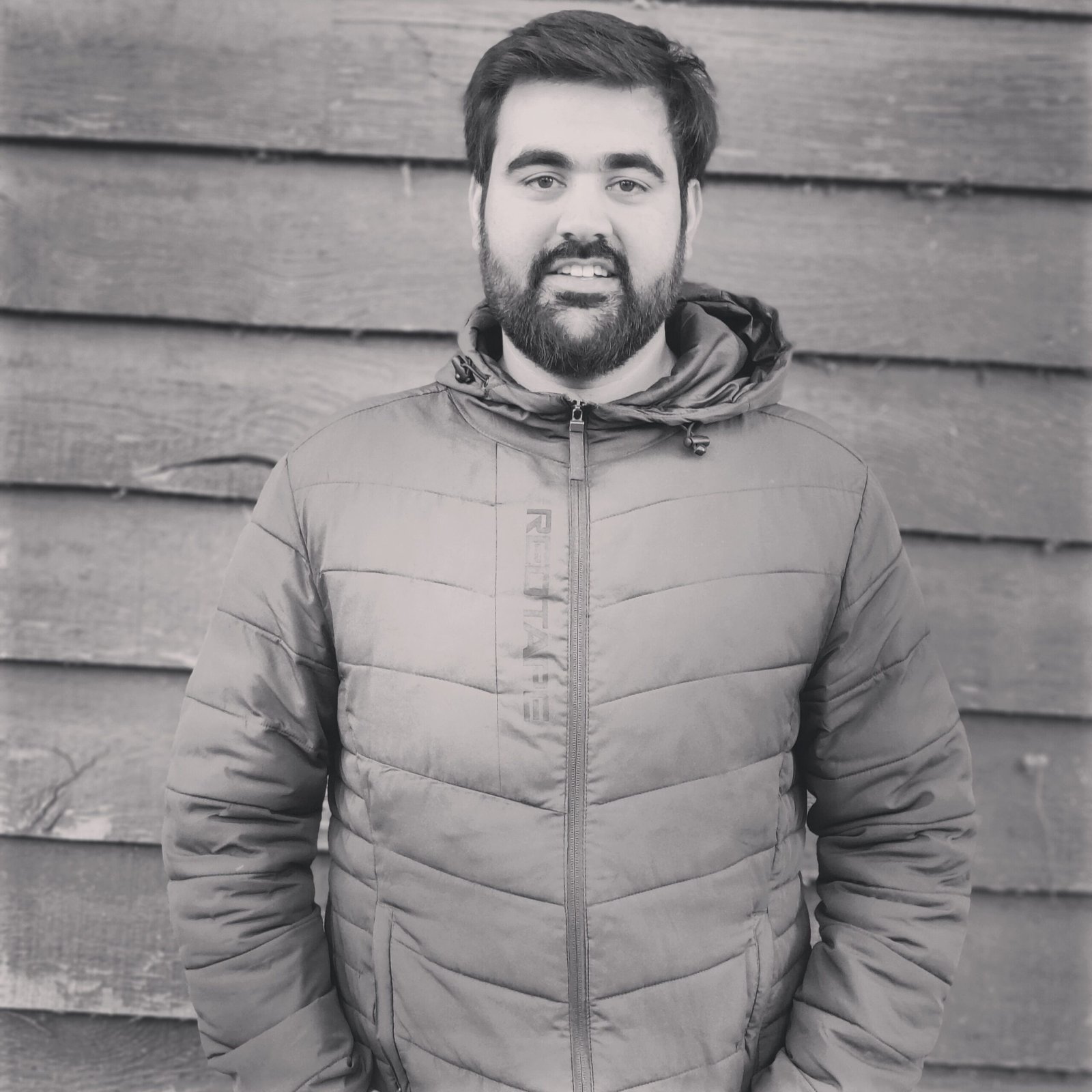
Touqeer Nazir is a student of political science and can be reached at touqeerplssc@gmail.com.