


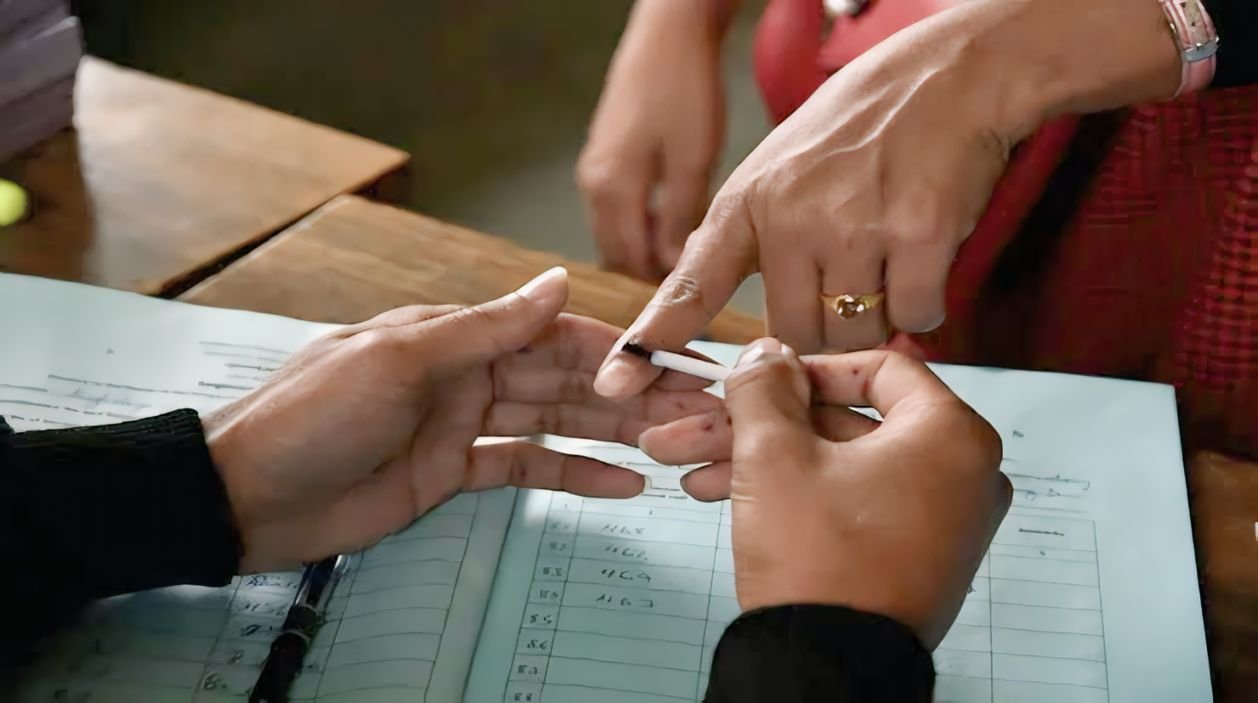
Jammu and Kashmir is witnessing a significant political event as the 2024 Assembly Elections approach. The first phase of the elections is slated for September 18, with a total of 279 candidates having filed their nomination papers across 24 Assembly Constituencies (ACs) spanning seven districts. This election is crucial, marking a pivotal moment in the Union Territory’s political history since the abrogation of Article 370 in 2019, and represents a renewed democratic exercise.
Diverse Candidate Representation and Regional Complexities
A breakdown of the nominations reveals varying levels of candidate interest across districts, reflecting the unique political dynamics in the region. The highest number of candidates – 72 – have registered in Anantnag district, followed by 55 in Pulwama and 41 in Doda. The constituencies of Pampore, Bhaderwah, and Doda ACs each saw a high of 16 candidates filing nominations, indicating a potentially intense contest in these areas.
An interesting observation is the distribution of nominations across both divisions of Jammu and Kashmir. In Jammu’s Kishtwar district, 13 candidates are contesting in Inderwal AC, 11 in Kishtwar AC, and 8 in Padder-Nagseni AC. In Doda district, Bhaderwah and Doda ACs saw a surge with 16 candidates each, pointing to fierce competition. In Ramban district, 13 candidates in Ramban AC and 10 in Banihal AC reflect moderate competition.
In the Kashmir division, Pampore leads with 16 nominations, while Tral and Pulwama ACs have drawn 13 and 14 candidates, respectively. The diverse candidate pool suggests varying voter preferences and alliances that could impact the election outcome.
Electoral Significance and Youth Involvement
The election holds particular significance for the 23.27 lakh voters eligible to cast their ballot in this phase, with nearly half of the electorate comprising female voters. Notably, over 5.66 lakh youth voters are expected to participate, indicating that youth voices and issues could play a decisive role in the final results.
The high number of youth voters suggests an electorate more attuned to issues like employment, education, and development. Candidates may need to address these concerns with clear, actionable strategies to secure votes in what promises to be a competitive race.
Challenges and Security Considerations
Given the sensitive nature of the region, security will be a top priority as the election process advances. Scrutiny of nomination papers on August 28 will be closely watched, followed by the withdrawal of nominations by August 30. Any last-minute changes could potentially alter the dynamics in some constituencies.
Moreover, the participation of multiple candidates in key constituencies reflects a fragmented political landscape, with traditional party loyalties challenged by new entrants and independents. This could lead to unexpected shifts in voter behavior, making the outcome of this election difficult to predict.
Concluding Thoughts
As the first phase of the J&K Assembly Elections draws near, the mix of candidates, voter demographics, and regional factors underscore the complexity of this political exercise. This election is not merely about forming a new legislative assembly; it is also about shaping the future trajectory of a region that has undergone significant political and administrative changes in recent years. As scrutiny begins, the coming days will set the stage for a high-stakes electoral battle that will be closely monitored across India.
❤️ Support Independent Journalism
Your contribution keeps our reporting free, fearless, and accessible to everyone.
Or make a one-time donation
Secure via Razorpay • 12 monthly payments • Cancel anytime before next cycle


(We don't allow anyone to copy content. For Copyright or Use of Content related questions, visit here.)


