Home Blog Page 12

Cuba Faces Growing Unrest Amidst Opposition Exodus

0
A 95 year old woman with her pet rooster. Havana (La Habana), Cuba
A 95 year old woman with her pet rooster. Havana (La Habana), Cuba — Jorge Royan / CC BY-SA 3.0

Anti-government sentiment is on the rise in Cuba, with a notable increase in street protests observed across the island nation. Despite the absence of a formally organized opposition on the island, a growing number of citizens have taken to expressing their dissent publicly.

Information was available with The Chenab Times indicating that this surge in public demonstrations follows a period where many critics of the current government have chosen to leave the country, seeking opportunities and freedom elsewhere. The exodus of dissenters has historically weakened organized opposition movements, yet the current wave of protests suggests that underlying grievances remain potent.

The protests, which have been gaining momentum in recent weeks, are fueled by a complex mix of economic hardship and political dissatisfaction. Cuba continues to grapple with economic challenges, including shortages of essential goods, rising inflation, and a struggling tourism sector, exacerbated by international sanctions and domestic policy issues. These economic pressures directly impact the daily lives of ordinary Cubans, contributing to widespread frustration.

Beyond economic woes, the lack of political freedoms and the perceived authoritarian nature of the government are significant drivers of discontent. The government’s control over media, restrictions on assembly, and the suppression of dissenting voices have long been points of contention for those seeking greater democratic participation and civil liberties.

The nature of the protests varies, with some being spontaneous gatherings in response to specific incidents, while others appear to be more coordinated expressions of broader discontent. Social media, despite government restrictions, plays a crucial role in disseminating information and mobilizing individuals, allowing for faster communication and coordination among those who wish to protest.

The Cuban government, led by President Miguel Díaz-Canel, has historically responded to dissent with a combination of security force crackdowns and efforts to control narratives. State media often portrays protests as orchestrated by foreign adversaries or instigated by criminal elements, aiming to delegitimize the movement and deter wider participation. However, the persistent nature of the demonstrations suggests that these efforts may be losing effectiveness.

International observers have noted the increasing frequency and scale of these protests. The global context, including events in other Latin American nations experiencing social unrest and political change, may also be influencing the dynamics within Cuba. The island’s unique geopolitical position and its complex relationship with the United States continue to be significant factors in its internal affairs.

The situation remains fluid, with the government facing increasing pressure to address the root causes of public dissatisfaction. The ongoing exodus of critics highlights a persistent challenge for the regime: maintaining stability while curtailing the very freedoms that its citizens increasingly demand. The coming weeks and months will be crucial in determining whether these growing protests evolve into a more sustained challenge to the existing political order, or if they are ultimately quelled by state security measures.

Pimpri Chinchwad: Three-Year-Old Girl Drowns in Uncovered Water Tank at Construction Site

0
Accident news
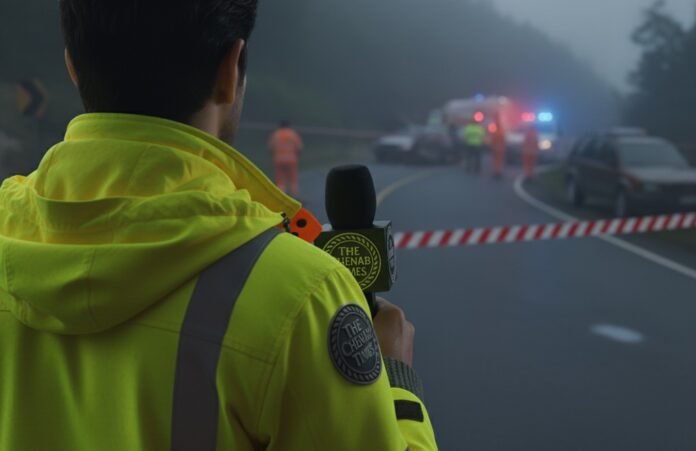
Image showing accident scene. (For representation purposes only)

A three-year-old girl has died after falling into an uncovered water tank at an under-construction building in Pimpri Chinchwad, Maharashtra. The incident occurred on Tuesday, leading to immediate distress and subsequent arrests in the area.

Information was available with The Chenab Times indicating that the child, identified as Janvi, was playing near the construction site when she accidentally fell into the deep water tank. The tank, reportedly left open and without any safety measures, became the site of the tragic accident. Eyewitnesses alerted the authorities and rushed the child to a nearby hospital, but she was declared dead upon arrival.

The Pimpri Chinchwad Municipal Corporation (PCMC) has initiated an inquiry into the incident. Preliminary investigations suggest negligence on the part of the construction company responsible for the site. The open water tank, a significant hazard, was allegedly not secured or covered, posing a severe risk to children and the public in the vicinity.

Following the incident, the police registered a case against the construction firm and its management. As of Tuesday evening, two individuals, identified as site supervisor Santosh Bhadane and contractor Dattatray Shinde, were arrested. They face charges related to negligence and culpable homicide not amounting to murder, under relevant sections of the Indian Penal Code. The authorities are also investigating whether the construction site had obtained all necessary permissions and adhered to safety regulations mandated for such projects.

The Pimpri Chinchwad Police Commissionerate has stated that further investigation will determine the extent of responsibility of the construction company and its officials. The incident has raised serious concerns about safety standards at construction sites, particularly in densely populated urban areas. Local residents have expressed anger and demanded strict action against the responsible parties, highlighting the need for greater oversight and enforcement of safety protocols.

This tragedy underscores the critical importance of implementing and enforcing robust safety measures at all construction sites. Open pits, unguarded machinery, and uncovered water bodies are common hazards that can lead to severe accidents, especially involving children who may not understand the dangers. Municipal bodies and construction companies are expected to ensure that such sites are properly barricaded and supervised to prevent untoward incidents.

The local administration has pledged to review existing safety regulations for construction projects within Pimpri Chinchwad and to increase inspection frequency to prevent future occurrences. The death of the young child has sent shockwaves through the community, prompting calls for accountability and a renewed focus on child safety around hazardous locations.

Israelis Divided on War’s Effectiveness Against Iran, Public Opinion Shows

0
Two soldiers in military uniforms expressing emotions indoors, depicting stress and companionship.
Photo by RDNE Stock project on Pexels

A significant portion of the Israeli public supports the ongoing conflict with Iran, yet doubts linger regarding its capacity to secure the nation’s long-term safety. Concerns are also surfacing about the assurances and motivations of the Prime Minister, according to recent observations.

Information was available with The Chenab Times indicating that while military actions against Iran have garnered majority support among Israelis, a notable segment of the population expresses skepticism about the strategic outcomes. These sentiments suggest a complex public mood, where immediate security concerns are weighed against deeper anxieties about the sustainability of peace and stability in the region.

The public discourse reflects a nuanced understanding of the protracted nature of the conflict, with many Israelis questioning whether the current military engagements will lead to a decisive resolution or merely perpetuate a cycle of confrontation. The uncertainty stems from a history of regional instability and the complex geopolitical landscape that defines the relationship between Israel and Iran.

Prime Minister Benjamin Netanyahu’s government has consistently communicated assurances of the military’s effectiveness and the strategic imperatives driving its actions. However, these messages have not entirely dispelled the underlying public apprehension. Critics and segments of the populace have voiced questions regarding the clarity of objectives and the long-term strategic vision underpinning the confrontational stance.

The broader context of the conflict involves decades of animosity and a series of escalating tensions, punctuated by both direct and indirect confrontations. Iran’s nuclear program and its regional influence, including support for various militant groups, are central to Israel’s security calculus. Israel, in turn, views Iran’s activities as an existential threat, leading to a continuous state of heightened alert and preemptive actions.

Recent escalations, including alleged Israeli strikes on Iranian targets and reciprocal retaliatory measures, have brought the conflict into sharper focus. These events often trigger widespread public discussion and debate within Israel about the appropriate response and the potential consequences for national security and international relations.

The Israeli military has, at various times, provided briefings to the public and media regarding the threat posed by Iran and the necessity of specific operational measures. These briefings are typically framed within the context of preventing Iran from acquiring nuclear weapons and curtailing its military presence and influence in neighboring countries, particularly Syria.

However, the effectiveness of such military campaigns in achieving lasting security remains a subject of public debate. Many Israelis, having lived through periods of intense conflict, are keen to see policies that offer more than just temporary deterrence. They seek tangible pathways towards de-escalation and a stable geopolitical environment.

The role of international diplomacy in mitigating the conflict is also a recurring theme in public discussions. While military action is often seen as a necessary component of Israel’s defense strategy, there is an acknowledgment among some that a comprehensive solution would likely involve diplomatic engagement and international consensus-building.

The Israeli government’s communications strategy has often emphasized national unity and the critical nature of its security measures. Public opinion polls, when available, tend to show a majority backing for the government’s security policies, especially in times of heightened tension. Yet, these same polls often reveal underlying currents of doubt regarding the long-term efficacy and ultimate objectives of these policies.

The perception among some Israelis is that the conflict with Iran, while strategically necessary, is becoming an entrenched reality rather than an exceptional measure. This framing contributes to a sense of weariness and a desire for clearer, more sustainable solutions that move beyond perpetual confrontation.

Furthermore, the economic and social implications of prolonged regional instability are not lost on the Israeli public. The constant threat of escalation can impact investment, tourism, and the overall morale of the nation, adding another layer of complexity to the debate over the war’s necessity and its perceived benefits versus costs.

The questioning of the Prime Minister’s assurances often stems from a perceived lack of transparency regarding the full scope of strategic planning or a divergence between official narratives and the lived experiences of security challenges. This dynamic is not uncommon in nations facing sustained external threats.

Ultimately, the public mood in Israel appears to be a blend of resilience, strategic acceptance of current realities, and a deep-seated desire for a more secure and peaceful future. The ongoing dialogue, marked by both support for defensive actions and critical examination of their long-term implications, underscores the complex challenges faced by Israel in navigating its relationship with Iran and the wider Middle East.

Mumbai Bypasses Maharashtra’s Heavy Rains as Coastal Konkan Endures Deluge

0
Jivdhan is a hill fortress situated 1 km near the modern day town of Ghatghar in Junnar Taluka of Pune district in Maharashtra, India.
Jivdhan is a hill fortress situated 1 km near the modern day town of Ghatghar in Junnar Taluka of P… — Nikhil More / CC BY-SA 4.0

While much of Maharashtra has been inundated by severe monsoon downpours, Mumbai has largely remained dry, experiencing only light drizzles. The heaviest rainfall has concentrated along the Konkan coast, severely impacting districts south of Mumbai.

The Chenab Times has learned that several districts in Maharashtra’s Konkan region, including Ratnagiri, Raigad, and Palghar, have been experiencing intense rainfall for several days, leading to waterlogging, traffic disruptions, and concerns over potential landslides. This localized but severe weather pattern has spared the bustling metropolis of Mumbai, which has seen significantly less precipitation compared to its neighbouring areas.

Meteorological departments have indicated that the monsoon trough has been positioned in a manner that directs the bulk of the moisture and intense rainfall towards the southern parts of the Konkan coast and adjoining areas. This phenomenon is not uncommon, as specific atmospheric conditions can lead to highly localized areas of heavy rainfall while leaving adjacent regions relatively unaffected. The contrast between the deluge in parts of Maharashtra and the comparative calm in Mumbai has been a subject of discussion and concern for residents and authorities alike.

In Ratnagiri, for instance, reports indicate that several low-lying areas have been submerged, and the local administration has been on high alert, issuing advisories to residents. Similar situations have been reported in Raigad, where rivers have been flowing close to the danger mark. Palghar district has also witnessed significant rainfall, impacting normal life and agricultural activities.

The India Meteorological Department (IMD) had previously issued red and orange alerts for various coastal and interior districts of Maharashtra, signaling the intensity of the expected rainfall. While these alerts have been largely justified for the Konkan belt, Mumbai has received a reprieve, with forecasts suggesting only scattered light to moderate showers over the next few days.

This differential rainfall pattern highlights the complex nature of monsoon behaviour in India, where regional variations can be substantial even within the same state. Experts attribute these localized downpours to factors such as the precise positioning of the monsoon trough, the presence of low-pressure systems, and the interaction of the monsoon currents with local topography.

The Mumbai Metropolitan Region (MMR), which includes Mumbai city and its surrounding areas, has seen significantly lower rainfall totals compared to the southern Konkan districts. This has led to a sigh of relief for the city’s residents, who often face severe waterlogging and traffic chaos during heavy monsoon spells. However, authorities remain vigilant, acknowledging that Mumbai is not entirely immune to the monsoon’s fury and that conditions can change rapidly.

The contrast in rainfall amounts has also prompted discussions about water resource management. While districts experiencing heavy downpours might see their reservoirs replenished, the lack of substantial rain in Mumbai raises questions about its water supply if the monsoon season were to be less bountiful overall.

The IMD continues to monitor the situation closely, with updated forecasts expected daily. The focus remains on the Konkan region, where relief efforts are underway, and the administration is working to mitigate the impact of the heavy rainfall on the population and infrastructure. Meanwhile, Mumbai experiences a temporary pause in the monsoon’s intensity, a stark difference from the severe weather battering its neighbouring coastal areas.

Mumbai: Final Phase of GMLR Project to Alleviate Eastern Express Highway Congestion

0
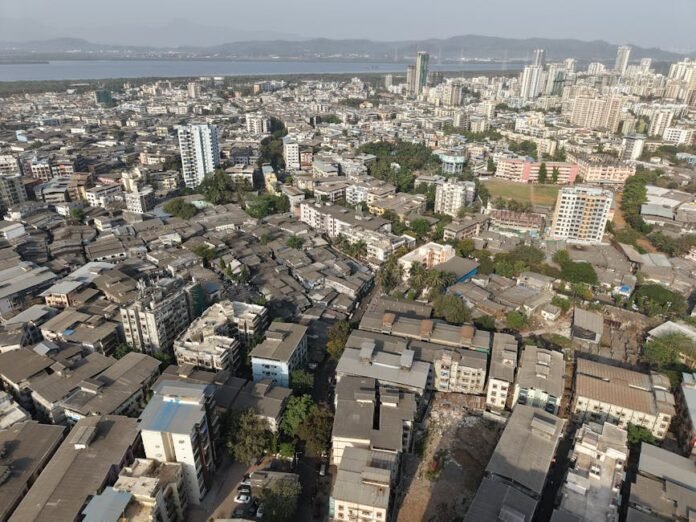
Aerial view of the dense urban landscape of Mumbai, showcasing high-rises and residential areas.
Photo by Rajkumarrr comics on Pexels

The Mumbai Metropolitan Region Development Authority (MMRDA) is nearing the completion of the final phase of the Goregaon-Mulund Link Road (GMLR) project, a crucial infrastructure initiative aimed at significantly easing traffic congestion on the Eastern Express Highway and improving connectivity across the city.

The Chenab Times has learned that this ambitious project, which includes the construction of a complex cloverleaf interchange and a distinctive cable-stayed bridge, is set to revolutionize traffic flow in the eastern suburbs of Mumbai. The GMLR project, spanning approximately 12.2 kilometers, is designed to provide a vital east-west corridor, thereby decongesting the heavily burdened Eastern Express Highway, a major arterial road in the city.

The Eastern Express Highway, a critical artery connecting various parts of Mumbai, often experiences severe traffic jams, particularly during peak hours. The GMLR is expected to divert a substantial volume of traffic, offering an alternative and potentially faster route for commuters traveling between the western and eastern suburbs.

The project’s final phase involves the construction of a sophisticated cloverleaf interchange at the Western Express Highway end and the development of a unique cable-stayed bridge over the Sanjay Gandhi National Park. The cloverleaf interchange is designed to facilitate seamless merging and diverging of traffic between the GMLR and the Western Express Highway, a key north-south route. This intricate road design aims to minimize stopping and enhance traffic fluidity.

The cable-stayed bridge, a significant engineering feat, spans a section of the Sanjay Gandhi National Park. Its construction has been meticulously planned to minimize environmental impact while ensuring structural integrity and aesthetic appeal. This bridge forms a critical link for the GMLR, connecting the western and eastern halves of the city. The successful completion of this bridge is seen as a major milestone in the project.

Officials from the MMRDA have indicated that the GMLR project is being executed in phases to manage the logistical complexities and minimize disruption to existing traffic. The project’s overall objective is to create a robust transportation network that supports Mumbai’s continued urban development and economic growth. By providing an efficient link, the GMLR is expected to reduce travel times, lower fuel consumption, and decrease vehicular emissions, contributing to a more sustainable urban environment.

The GMLR project is not only about enhancing road infrastructure but also about improving the quality of life for Mumbaikars. Reduced commute times can lead to increased productivity and more leisure time for residents. Furthermore, improved traffic flow can have positive implications for businesses and logistics operations within the metropolitan region.

The Goregaon-Mulund Link Road project is part of a larger strategy by the Maharashtra government and the MMRDA to augment Mumbai’s infrastructure. Several other projects, including the Coastal Road and the Trans Harbour Sea Link, are also underway or have been recently completed, all aimed at improving connectivity and reducing travel times across the sprawling metropolis. The GMLR, in particular, addresses a long-standing need for better east-west connectivity.

The construction of the cable-stayed bridge over the Sanjay Gandhi National Park has faced unique challenges, including stringent environmental regulations and the need for specialized construction techniques. The MMRDA has emphasized its commitment to adhering to all environmental norms and ensuring the preservation of the park’s ecosystem during the construction process. The design incorporates features aimed at reducing noise and visual pollution.

Once operational, the GMLR is projected to handle a significant volume of daily traffic, diverting thousands of vehicles from the Eastern Express Highway. This is expected to provide much-needed relief to commuters and reduce the stress on existing road infrastructure. The integration of the GMLR with the Western Express Highway through the cloverleaf interchange is a key element in creating a more interconnected and efficient urban road network.

The project’s progress has been closely monitored, with authorities working to expedite the completion of the final phase. The successful commissioning of the GMLR will mark a significant achievement in Mumbai’s ongoing efforts to modernize its transportation infrastructure and meet the demands of a rapidly growing population.

Maharashtra Colleges Face Resident Doctor Exodus Amidst Allegations of Harassment and Grueling Shifts

0
Every time we hear the term negligence in public discourse, the word most often preceding it is medical. Medical negligence cases dominate headlines, courtroom discussions, and public outrage. But a …
Every time we hear the term negligence in public discourse, the word most often preceding it is med… — Hospiceaastha / CC0

Resident doctors in Maharashtra are reportedly resigning in significant numbers, citing a challenging work environment characterized by extended duty hours and alleged harassment. This exodus threatens to disrupt medical services in numerous state-run colleges across the region.

The Chenab Times has learned that numerous resident doctors have submitted resignations from their positions in government medical colleges throughout Maharashtra. The primary drivers behind these departures appear to be the demanding 48-hour continuous work shifts and persistent claims of harassment from senior staff and administrative authorities.

Deepening Crisis in Medical Education and Services

The situation highlights a deepening crisis within Maharashtra’s public healthcare and medical education infrastructure. Resident doctors, who form the backbone of patient care in government hospitals, are expressing extreme distress. The excessive work hours are reportedly leading to burnout, impacting their physical and mental well-being, and compromising the quality of care they can provide to patients. This has become a recurring concern, with doctors’ associations repeatedly bringing these issues to the attention of the state government and medical education authorities.

Sources indicate that the prolonged duty shifts, often exceeding the stipulated working hours by a substantial margin, leave little room for rest or personal life. This strenuous schedule, coupled with allegations of mistreatment, bullying, and a lack of adequate support systems, is pushing many doctors to seek alternatives, including private practice or opting out of the medical profession altogether. The Maharashtra Association of Resident Doctors (MARD) has been vocal about these concerns, highlighting the need for immediate intervention to address the deteriorating working conditions.

Systemic Issues and Unfulfilled Promises

Resident doctors claim that despite repeated representations and assurances from the administration, little has been done to alleviate their working conditions. They point to a lack of proper infrastructure, insufficient staff support, and a system that often fails to address their grievances effectively. The constant pressure to manage heavy patient loads under such demanding circumstances is taking a significant toll.

The allegations of harassment range from verbal abuse and undue criticism to a hostile work environment that discourages open communication and feedback. Many resident doctors feel isolated and unsupported, leading to increased stress and a feeling of being undervalued. This environment is particularly detrimental during their formative years as medical professionals, impacting their training and long-term career development. The cumulative effect of these issues has led to a growing disillusionment among the medical fraternity’s junior ranks.

Impact on Healthcare Access

The mass resignations have raised serious concerns about the potential impact on healthcare delivery, especially in rural and semi-urban areas where these government medical colleges often serve as the primary healthcare providers. The exodus of experienced resident doctors could lead to staff shortages, longer waiting times for patients, and a decline in the quality of medical services. This situation is particularly worrying given the ongoing need for accessible and affordable healthcare for the state’s large population.

Authorities at various government medical colleges have acknowledged the problem but have struggled to implement lasting solutions. While some temporary measures might have been put in place, the systemic issues that contribute to the crisis require a more comprehensive and sustained approach. The core problems, such as unrealistic duty hour allocations and the need for robust anti-harassment policies, remain largely unaddressed.

Calls for Urgent Reforms

Medical bodies and concerned citizens are urging the Maharashtra government to take immediate and decisive action to rectify the situation. They are calling for a thorough review of duty hour regulations, stricter enforcement of anti-harassment policies, and the establishment of effective grievance redressal mechanisms for resident doctors. Without significant reforms, the state risks losing a crucial segment of its medical workforce, thereby jeopardizing public health.

The situation in Maharashtra’s medical colleges underscores a broader national challenge of ensuring supportive and sustainable working conditions for healthcare professionals. Addressing the concerns of resident doctors is not only essential for their well-being but also critical for maintaining the integrity and efficiency of the public healthcare system. The current trend of resignations is a stark warning that requires urgent attention and intervention from the highest levels of government and medical administration.

Maharashtra: Shiv Sena (UBT) MPs Attend Dinner Hosted by Jagdish Tytler, Party Downplays Speculation

0
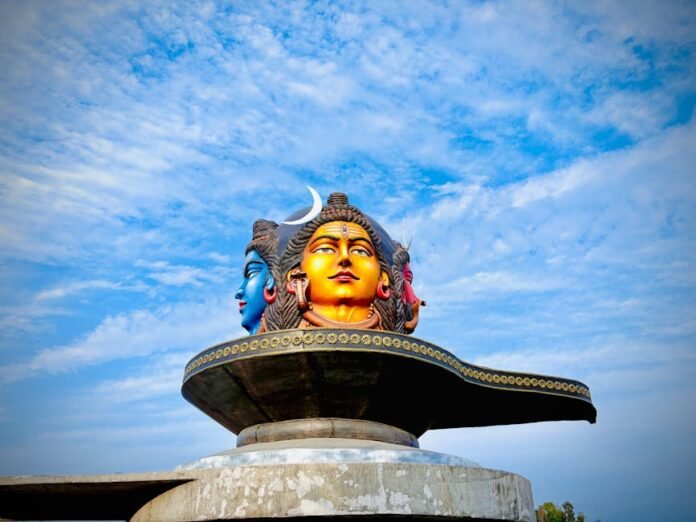
Vibrant three-headed Shiva statue under a blue sky in Pokhara, Nepal.
Photo by Roshan Chhetri on Pexels

A recent dinner gathering attended by Shiv Sena (UBT) Member of Parliament (MP) Sanjay Dina Patil and others, hosted by Congress leader Jagdish Tytler, has stirred political discussions in Maharashtra, with the Shiv Sena (UBT) faction characterizing the event as a routine social engagement.

The Chenab Times has learned that the dinner, which also saw the presence of other political figures, has led to speculation within political circles regarding potential realignments or ongoing dialogues between the parties. However, Shiv Sena (UBT) leadership has sought to clarify that the meeting was not indicative of any significant political shifts.

The gathering occurred amidst a backdrop of ongoing political realignments in Maharashtra, where parties are strategizing for upcoming electoral challenges. The presence of MPs from different political affiliations at such events often fuels conjecture about inter-party relations and potential future alliances, especially when hosted by prominent leaders like Tytler, who himself has been a long-standing figure in national politics.

Sources within the Shiv Sena (UBT) camp indicated that the dinner was primarily a social event, and invitations were extended to various individuals across the political spectrum. This perspective suggests that the meeting should not be interpreted as a strategic political manoeuvre or an endorsement of any particular policy or alliance. The party has maintained that its Members of Parliament often attend such functions as part of their broader engagement with various stakeholders and leaders.

Jagdish Tytler, a veteran Congress leader and former Union Minister, has been active in Delhi’s political landscape for decades. His decision to host such a dinner, bringing together MPs from different parties, has been seen by some as an attempt to foster dialogue and maintain connections across the political divide. Political observers note that such informal gatherings can sometimes lay the groundwork for future political discussions, even if their immediate purpose is social.

The Shiv Sena (UBT) faction, led by Uddhav Thackeray, has been consolidating its position following a split in the original Shiv Sena party. In this context, any interaction involving its prominent leaders with figures from other major political parties, particularly the Congress, is subject to close scrutiny by both media and political rivals. The party’s swift response to downplay the significance of the dinner indicates an effort to control the narrative and prevent misinterpretations that could affect its political standing.

The political landscape in Maharashtra is currently characterized by fluidity, with parties actively engaging in outreach and strategy formulation. The Shiv Sena (UBT) has been focusing on strengthening its organizational base and garnering support for its political agenda. Therefore, any event involving its key representatives is closely watched for potential implications on its electoral prospects and alliances. The party’s emphasis on the routine nature of the dinner aims to preempt any speculation that could be detrimental to its current political strategy.

While the Shiv Sena (UBT) has dismissed the speculation, the event serves as a reminder of the intricate and often speculative nature of political interactions in India. The dynamics between parties are constantly evolving, and even seemingly routine social engagements can become subjects of intense political analysis. The party’s efforts to provide a clear and straightforward explanation underscore its commitment to transparency and its strategy to avoid being drawn into unnecessary political controversies.

Maharashtra Congress Seeks 1.5-2 Years for Electoral Roll Update, Cites Previous SIR Experience

0
Open book on lace tablecloth next to tea cup, creating a cozy atmosphere.
Photo by betül nur akyürek on Pexels

The Maharashtra Congress unit has requested an extended timeline of 1.5 to 2 years for the completion of the Special Summary Revision (SSR) of electoral rolls in the state. The party cited the prolonged duration of the previous SSR exercise as justification for its demand.

The Chenab Times has learned that the Congress party’s state unit has formally communicated its stance to the Election Commission of India, emphasizing the need for adequate time to ensure the accuracy and completeness of voter lists. This request comes amidst ongoing discussions about the schedule for upcoming elections in the state.

According to information available, the Congress leadership in Maharashtra has pointed to the complexities involved in electoral roll revision. They argue that a rushed process could lead to errors, omissions, and potential disenfranchisement of eligible voters. The party’s previous experience with an SSR, which reportedly took a significant amount of time to conclude, has informed their current demand for a more extended period.

The Special Summary Revision is a crucial exercise undertaken by the Election Commission to update voter lists by adding new voters, deleting deceased or shifted voters, and correcting any errors in existing entries. This process is vital for ensuring fair and transparent elections. In Maharashtra, a state with a large and diverse electorate spread across urban and rural areas, the revision process involves extensive fieldwork and coordination.

Sources within the Congress indicated that the party believes a timeframe of 1.5 to 2 years would allow for thorough verification at the booth level. This would include extensive public outreach to encourage citizens to enroll and for election officials to meticulously verify data. The party’s proposal suggests a phased approach to the revision, allowing for multiple rounds of data collection and correction, thereby enhancing the credibility of the final voter rolls.

The demand for an extended timeline also reflects concerns about the potential for political manipulation of electoral rolls if the revision is conducted under pressure. By advocating for a longer period, the Congress aims to create an environment where the revision is solely a technical and administrative exercise, free from electoral considerations. This, they contend, will foster greater trust in the electoral process among the electorate.

While the Election Commission typically sets a schedule for SSR based on national guidelines and state-specific requirements, it also considers recommendations from political parties. The current request from the Maharashtra Congress is likely to be reviewed by the commission, taking into account the logistical challenges and the importance of maintaining accurate voter databases. The commission’s decision on the proposed timeline will have implications for the timing of future electoral activities in the state.

The opposition parties in Maharashtra have often raised concerns regarding the integrity of electoral rolls. The Congress’s demand for a longer SSR period can be viewed in the broader context of ensuring electoral fairness. The party’s leadership has stated that their primary objective is to ensure that every eligible citizen has the right to vote and that the electoral process is robust and beyond reproach.

The previous SSR, which the Congress is referencing, was reportedly characterized by extensive data entry, verification of credentials, and resolving numerous objections and claims. The sheer scale of updating voter information for millions of individuals across diverse geographical terrains and demographic profiles necessitates a well-planned and adequately resourced operation, the party’s representatives have argued.

The Election Commission of India is expected to examine the feasibility of the Congress’s proposal. Factors such as the availability of resources, the need to synchronize with national electoral calendars, and the administrative capacity of the state election machinery will be crucial in their deliberation. The outcome of this request could set a precedent for future electoral roll revision processes in other states as well, highlighting the intricate balance between timely elections and the imperative of accurate voter lists.

Cuba to Release Over 2,000 Prisoners in Humanitarian Gesture

0
A 95 year old woman with her pet rooster. Havana (La Habana), Cuba
A 95 year old woman with her pet rooster. Havana (La Habana), Cuba — Jorge Royan / CC BY-SA 3.0

HAVANA — Cuba announced on Tuesday that it would pardon and release more than 2,000 prisoners, citing humanitarian reasons and the observance of Holy Week.

The Chenab Times has learned that the announcement comes amid a period of significant economic challenges for the island nation and follows appeals from various international bodies and religious leaders for leniency towards inmates.

The exact criteria for the prisoner selection were not immediately disclosed by Cuban authorities, nor was the specific timeline for the releases detailed. However, government statements indicated that the pardons were intended as a goodwill gesture during the religious period.

This move by the Cuban government could potentially ease some international pressure, though it remains unclear if the releases are directly linked to ongoing diplomatic dialogues between Cuba and the United States concerning migration and human rights. Relations between the two countries have been complex, with the U.S. maintaining a long-standing economic embargo against Cuba.

Cuba has historically used prisoner releases as a diplomatic tool, particularly in negotiations with the United States. In previous instances, such releases have preceded or accompanied high-level talks aimed at normalizing relations or addressing specific bilateral issues.

The economic situation in Cuba has been particularly strained in recent years, exacerbated by the COVID-19 pandemic, tightening U.S. sanctions, and global economic downturns. Shortages of food, medicine, and basic goods have become increasingly common, leading to widespread discontent and emigration.

The Cuban government has consistently stated its commitment to social justice and human rights within its own political framework. The pardons are being framed by Havana as a demonstration of the country’s humanitarian principles, rather than a response to external demands.

Catholic leaders and human rights advocates in Cuba and abroad have frequently called for the release of political prisoners and other individuals detained for non-violent offenses. While the government has not specified if political prisoners are included in this latest batch of pardons, broader humanitarian releases often encompass individuals serving sentences for a range of offenses.

The United States State Department has previously urged Cuba to release prisoners of conscience and to allow international observers to monitor prison conditions. Any significant release of prisoners by Cuba is often scrutinized for its potential impact on U.S.-Cuba relations and broader human rights concerns in the region.

The effectiveness and scope of the pardons will likely be assessed by international observers and human rights organizations in the coming days and weeks. The Cuban government has a history of making pronouncements on prisoner releases that are met with cautious optimism, pending the actual implementation and impact on the incarcerated population.

The context of Holy Week, a significant Christian observance, provides a religious justification for the government’s action, potentially garnering domestic and international support. The coming days will reveal the full extent of the implementation of this pardon decree.

Maharashtra Higher Education Minister Assures Recruitment of 5,500 Assistant Professors by June

0
A minimalist composition featuring red text on a blue background, perfect for posters and desktop backgrounds.
Photo by Elīna Arāja on Pexels

Maharashtra’s Higher Education Minister, Chandrakant Patil, has assured that the recruitment process for 5,500 assistant professors in state universities will be completed by June, missing the initial March deadline.

According to details received by The Chenab Times, Patil, who also holds the portfolios of Textiles and Parliamentary Affairs, stated that the delay was due to administrative and procedural reasons. He expressed confidence that the new appointments would be made within the revised timeframe, aimed at filling vacant positions and improving the faculty-student ratio in higher education institutions across the state.

The recruitment drive, initially intended to conclude by the end of March, has faced several postponements. The process involves filling vacancies in various government-aided universities and colleges, a move anticipated to enhance the quality of education and research opportunities for students. The selection will be based on a rigorous evaluation process, including interviews and assessment of academic credentials, as mandated by university grant commission guidelines.

Chandrakant Patil highlighted the government’s commitment to strengthening the higher education sector. He acknowledged the public concern regarding the prolonged recruitment period and emphasized that all efforts are being made to expedite the process without compromising on merit or fairness. The minister indicated that the Public Service Commission, which is overseeing the selection, is working diligently to finalize the list of eligible candidates.

The Maharashtra Public Service Commission (MPSC) is responsible for conducting the examinations and interviews for these positions. The delay has been attributed to complexities in finalizing the eligibility criteria, review of applications, and scheduling of examination centres for a large number of applicants. Sources within the department suggest that the inclusion of newly established colleges and universities in the recruitment pool also contributed to the extended timeline.

Educational bodies and student unions have voiced their concerns about the persistent vacancies, which they argue impact academic delivery and research output. The assurance from the minister is seen as a step towards addressing these issues. The recruitment of assistant professors is crucial for maintaining a healthy student-faculty ratio, essential for effective teaching and personalized academic support. Furthermore, these appointments are expected to inject new talent and perspectives into the academic environment.

Patil further elaborated that the government is also focusing on improving the infrastructure and resources available in higher education institutions. The recruitment of qualified faculty is a cornerstone of this broader strategy to elevate the standards of education in Maharashtra. The process aims to bring in experienced and dynamic individuals who can contribute to the growth and development of the university system.

The minister’s statement came during a review meeting concerning the higher education department’s progress and future plans. Officials present at the meeting discussed various challenges, including the timely filling of faculty positions and the implementation of new educational policies. The focus remains on ensuring that higher education institutions are well-equipped to meet the evolving demands of the job market and contribute to national development.

The extended timeline has also raised questions about the efficiency of recruitment processes for public sector jobs. However, Patil reiterated that the government is committed to transparency and meritocracy in all its appointments. The delay, he explained, is a temporary measure to ensure a thorough and fair selection process, which ultimately benefits the students and the academic community.

The successful completion of this recruitment drive is expected to have a significant positive impact on the state’s higher education landscape, providing much-needed faculty support and enhancing the learning experience for thousands of students. The government has appealed for patience from the aspirants, assuring them that the process is being handled with utmost seriousness and efficiency.

The announcement addresses a long-standing demand from academia for filling up these crucial teaching positions. The minister’s promise provides a concrete timeline for aspirants who have been awaiting these opportunities. The recruitment aims to bolster the academic fraternity with qualified individuals who can contribute to research, innovation, and teaching excellence across Maharashtra’s universities.