


“Phadoon ki neend se dil jag nahin raha,
Saqib Wani
Cheñaab se jo mai kabhi alag nahin raha,
Jee hai ki udd jawoon teri wadiyon mein,
Ye dil hai keh ghar pe ab lag nahin raha.”
The term “Chenabi” refers to the people living in the valley of Chenab and are surrounded by the mountains, rivers, different customs, beliefs, and languages, which collectively show the Chenab Valley’s cultural richness.
The Chenab Valley, located in the eastern part of the Jammu Division in the Union Territory of Jammu and Kashmir, is a culturally rich and geographically diverse region. It is a captivating area formed by the Chenab River, often poetically termed as the “Moon River” for its shimmering waters. Despite being often overlooked in popular stories, this valley is rich in languages, traditions, peaceful living, and breathtaking natural beauty.
The Chenab Valley primarily includes the districts of Doda, Kishtwar, and Ramban, and sometimes also includes parts of Reasi, forming the “Doda belt.” It covers approximately 11,885 square kilometres, has a population of approximately 924,345 people as per Census 2011, and a population density of 78 people per square kilometre. It is bordered by districts such as Anantnag and Himachal Pradesh, and is traversed by National Highway 244.

Historically, the regions now known as Doda, Kishtwar, and Ramban were all part of the larger district of Udhampur. Doda became a separate district in 1948, encompassing Bhaderwah, Kishtwar, and Ramban. Later, in 2006, the Jammu and Kashmir government reorganized Doda even further, establishing Ramban and Kishtwar as independent districts that went into operation in 2007–2008. Kishtwar was annexed by Maharaja Gulab Singh in 1821, leaving a legacy of local chieftains and Mughal influence behind. The Pal dynasty ruled Bhaderwah, which is now part of Doda, until the Treaty of Amritsar (1846), when it was merged into the Dogra kingdom. Ramban, which was once a travel stop on the Jammu–Srinagar route, gained strategic importance leading to its designation as a district.
The valley, with its majestic mountains, dense pine forests, alpine meadows, and the ever-flowing Chenab River, is a growing destination for nature and adventure enthusiasts. Tourist destinations such as Bhaderwah, also known as “Chhota Kashmir”, Jai Valley, Padder Valley, Sinthan Top, Warwan, and Lal Draman provide breathtaking scenery and trekking opportunities. Religious tourism also thrives through pilgrimages such as the Machail Mata Yatra and visits to holy sites such as Ziyarat Shah Asrar-ud-Din Sahib. Adventure sports like paragliding, river rafting at Shibnote, and camping in Marwah–Warwan have grown in popularity as a result of recent government tourism initiatives. Despite infrastructure challenges, the valley has enormous potential for eco-tourism, cultural tourism, and heritage exploration.

Bhaderwah’s Rajma, as well as medicinal herbs such as Kalla Zeera, Gucchi, and Nagchatri, are not only agricultural treasures but also symbols of the region’s biodiversity.
The Chenab Valley is a remarkable illustration of diversity in religion and ethnicity, where several groups have peacefully and respectfully coexisted for centuries. According to the 2011 Census, Muslims make up the majority in all three districts — Kishtwar (57.8%), Ramban (70.7%), and a sizable portion of Doda — while Hindus make up about 40% of the valley’s total population. In various places, there are also small communities of Buddhists, Christians, and Sikhs. Paharis, who speak dialects like Bhaderwahi, Sarazi, Pogli, and Kishtwari, form a significant linguistic group in the region.
Gujjars and Bakarwals, both Scheduled Tribes, are predominantly Muslim and practice nomadic pastoralism in the highlands of the Chenab Valley. Dogras, primarily Hindus in the lower belts, speak Dogri and are known for their agricultural traditions and local festivals. Kashmiri-speaking communities in Doda and Kishtwar strengthen the valley’s linguistic ties to Kashmir. Together, these groups represent the Chenab Valley’s rich ethnic and cultural diversity.
The Chenab Valley has produced several notable figures who have made contributions to politics, literature, education, and social service. Ghulam Nabi Azad, born in Bhalessa, has served as Union Minister and Chief Minister of Jammu and Kashmir, and is credited with significant regional development especially in Bhaderwah. Ghulam Qadir Ganipuri, a Sufi scholar from Bhalessa, wrote over 35 books and established important Islamic institutions. Poet Taskeen Badanvi from Thathri is well known for using poetry to preserve local dialects. Mushtaq Sheikh of Kishtwar became a local hero after rescuing more than 100 people from the Chenab River. They collectively represent the valley’s rich intellectual, courageous, and cultural heritage.
Era of Ignorance
The term “era of ignorance” can refer to different periods in Chenab Valley history. Long before Maharaja Gulab Singh took over Kishtwar in 1822, the region was ruled by small local kings such as the Jaral Rajas and Katoch rulers. But there are few written records of their rule. The majority of the old history comes from later British land settlement reports, which don’t say much about the local culture or people.
In modern times, the era continues in new forms. Even though Chenab Valley generates more than 1,000 megawatts of electricity from major hydroelectric projects such as Baglihar, Dul Hasti, and Salal, many of its villages continue to experience long power cuts. Particularly during the winters, villagers in areas like Paddar, Dachhan, Marwah, Chatroo (Kishtwar) and Bhalessa, Gandoh, Marmat, Jakyas, Kahara, Gundana (Doda) experience daily outages of up to 20 hours. One village, Mahri (Thathri block, Doda), lacked electricity until late 2022, despite being populated. Roads are frequently blocked due to landslides, and many villages face being cut off for days during snow or rain.
Health and education have also suffered. People travel long distances to reach proper hospitals in Jammu or Srinagar because local hospitals lack specialist doctors and equipment. Schools in remote areas lack teachers, buildings, and electricity, making it difficult for children to study.
Furthermore, the traditional knowledge of people like Gujjars and Bakarwals, who use medicinal plants for healing, is gradually fading due to rapid globalization and harmful harvesting practices.
❤️ Support Independent Journalism
Your contribution keeps our reporting free, fearless, and accessible to everyone.
Or make a one-time donation
Secure via Razorpay • 12 monthly payments • Cancel anytime before next cycle


(We don't allow anyone to copy content. For Copyright or Use of Content related questions, visit here.)
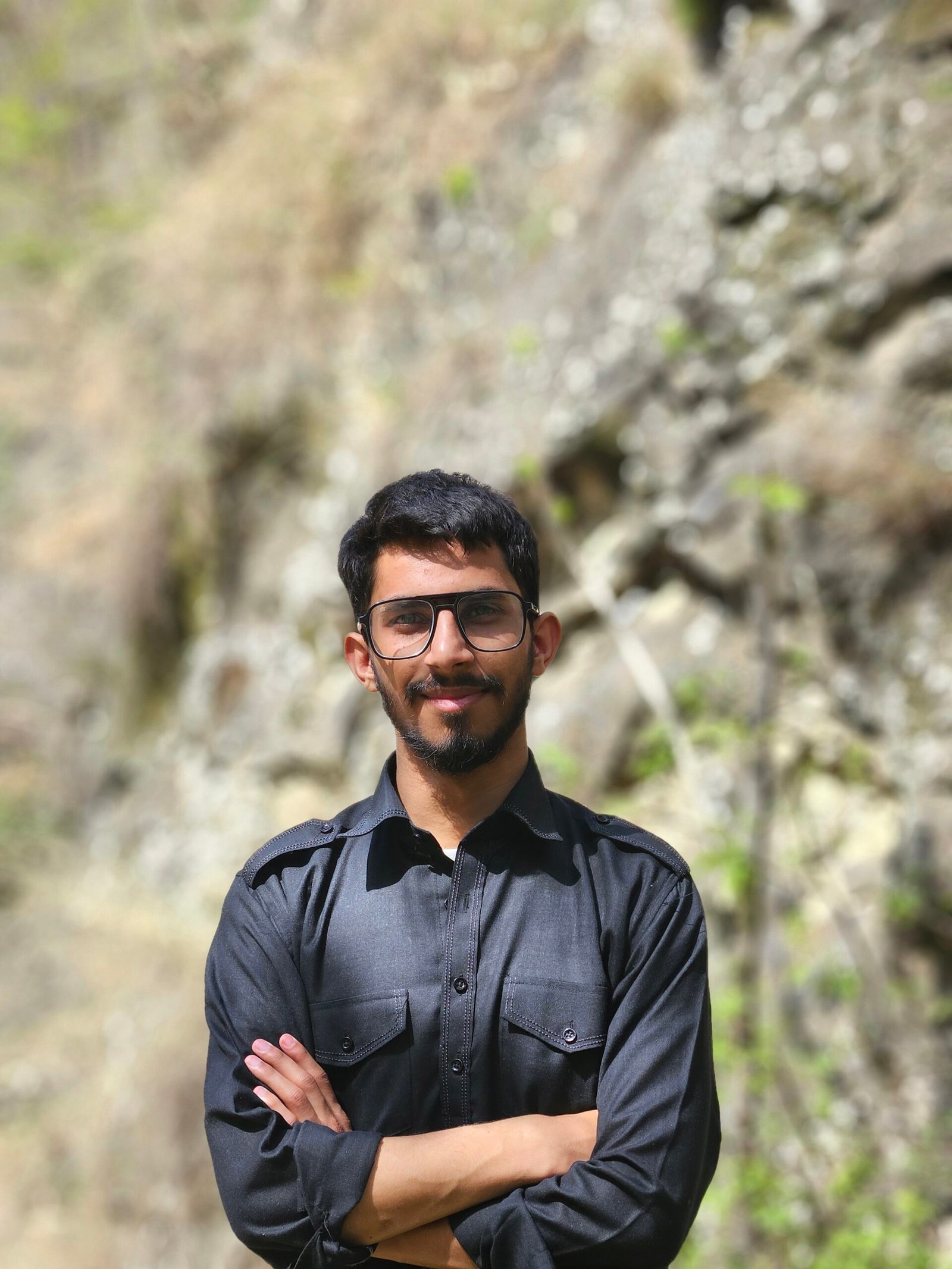
Saqib Umar Wani is a BA student of GDC Thathri.


