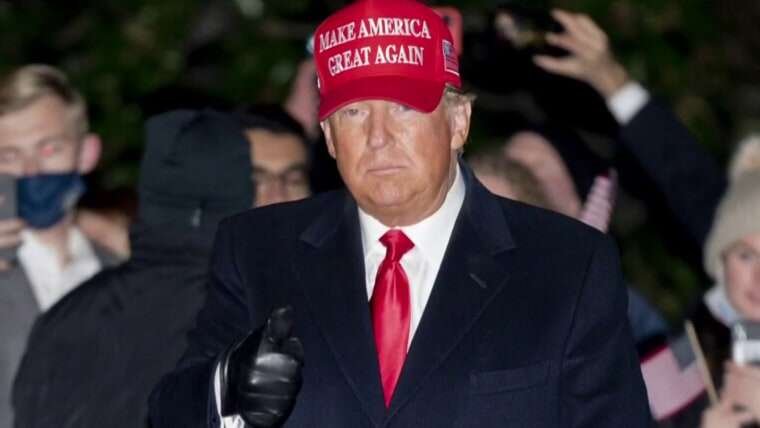
WASHINGTON, Jan 5 – On Monday, Congress will meet in a joint session to formally count the electoral votes for the 2024 presidential election, a process that has largely returned to its customary routine after the dramatic events of January 6, 2021. This time, former President Donald Trump is set to reclaim the presidency after defeating incumbent President Joe Biden, who, along with Vice President Kamala Harris, will preside over the certification of his loss.
The ceremony marks the final step in reaffirming the presidential election results, following the certification of the Electoral College vote in December. While the proceedings have traditionally been ceremonial, they were upended four years ago when a violent mob of Trump supporters stormed the U.S. Capitol in an attempt to stop the certification and overturn Biden’s victory. The attack interrupted the process and led to significant changes in the law.
Under current federal law, Congress must meet on January 6 to open sealed certificates from each state containing the tally of electoral votes. The results are presented by bipartisan representatives from both chambers and read aloud, with the vice president, as the president of the Senate, overseeing the process. Once the votes are tallied, the presiding officer announces the candidate with the majority electoral votes. If there were a tie, the House would decide the presidency, though that scenario is unlikely in this case, with Trump’s win over Harris standing at a decisive 312-226.
Post-2021 Reforms Tighten Rules
In response to the chaos of 2021, Congress passed reforms to the Electoral Count Act in 2022. The revised law clarifies the vice president’s role, explicitly stating that the vice president does not have the power to determine the election’s outcome—a correction aimed at the efforts by Trump to pressure then-Vice President Mike Pence into rejecting the 2020 results.
Despite the changes, the role of presiding over the session remains a difficult one for the vice president, particularly when they have lost the election. Harris will find herself in the same position as Pence did in 2021, presiding over the certification of her own defeat. Vice President Al Gore similarly carried out the role in 2001 after losing the presidency to George W. Bush, while Biden did so in 2017 when Trump won the White House.
What to Expect on January 6
The process on Monday is expected to be largely uneventful, barring any unforeseen challenges. After the presiding officer opens the certificates, a group of designated “tellers” from both the House and Senate will read each state’s electoral results. If no objections are raised, the votes will be counted and the winner announced.
However, lawmakers still have the opportunity to object to the votes, though the bar for doing so has been raised. An objection now requires the support of at least one-fifth of both the House and Senate, making it far more difficult than in previous years when a single senator and one House member could trigger a debate. Although such objections are not expected this time, if they do occur, they would be discussed in separate sessions of the two chambers. Both chambers would need to agree for any objections to succeed, but in 2021, Congress rejected challenges to electoral votes from Arizona and Pennsylvania.
Final Step Before Inauguration
Once Congress has counted and certified the electoral votes, the final step before the presidential inauguration on January 20 will take place. Harris, having conceded Trump’s victory, will gavel in the official count, with no further objections anticipated.
The 2024 certification, while carrying symbolic significance, is expected to be a stark contrast to the chaotic scenes of four years ago, underscoring the resilience of the U.S. democratic process in the face of unprecedented challenges.
❤️ Support Independent Journalism
Your contribution keeps our reporting free, fearless, and accessible to everyone.
Or make a one-time donation
Secure via Razorpay • 12 monthly payments • Cancel anytime before next cycle


(We don't allow anyone to copy content. For Copyright or Use of Content related questions, visit here.)

Global Affairs Desk at The Chenab Times covers international developments, global diplomacy, and foreign policy issues through fact-based reporting, explainers, and analytical pieces. The desk focuses on major geopolitical events, diplomatic engagements, and international trends, with an emphasis on verified information, multiple perspectives, and contextual understanding of global affairs.