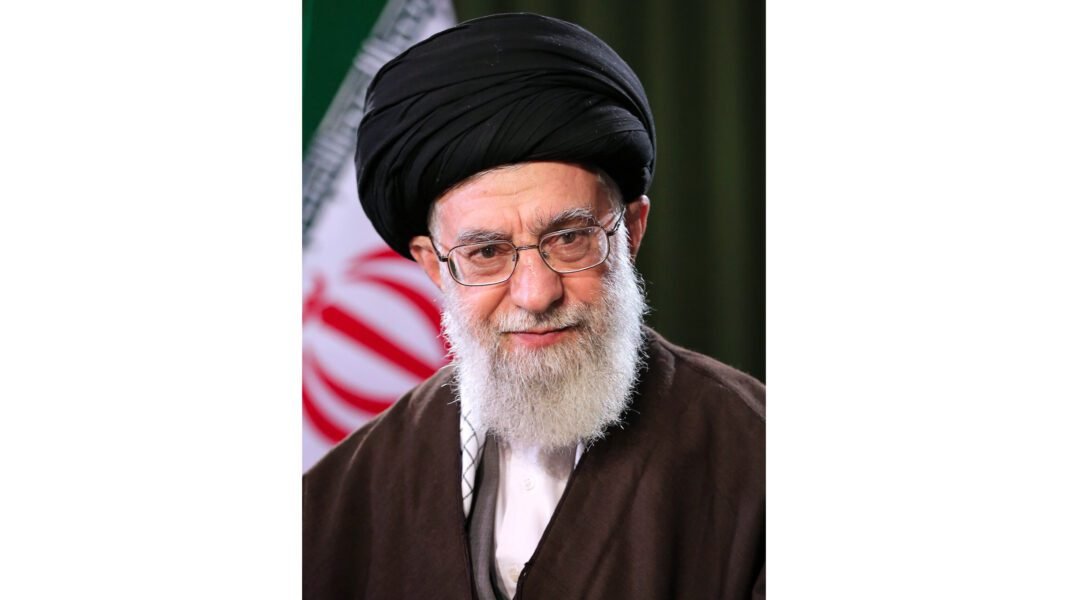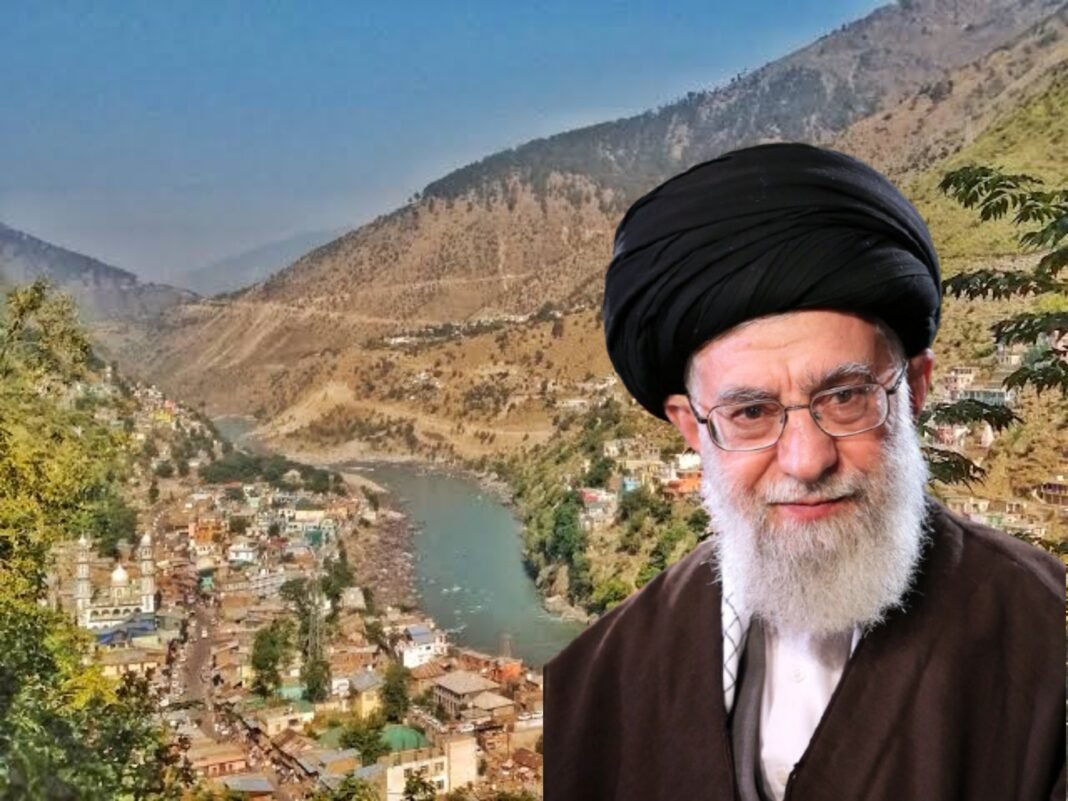
A widespread bandh has been declared for March 2, 2026, in key towns of Chenab Valley, including Doda, Thathri, Kishtwar, Bhaderwah, and Drabshalla, as local Muslim leaders and groups condemned the death of Ayatollah Ali Khamenei, Iran’s long-serving Supreme Leader.
According to details received by The Chenab Times, the bandh calls came from prominent figures and bodies in the region, who referred to the incident as the “shahadat” or martyrdom of Khamenei following his confirmed killing on February 28, 2026.
The shutdown follows reports from Iranian state media and international outlets confirming that Ayatollah Ali Khamenei, aged 86 and Supreme Leader since 1989, was killed during large-scale airstrikes conducted jointly by the United States and Israel targeting sites in Tehran and other areas. The operation, described by US officials as aimed at regime targets, resulted in his death along with other casualties, prompting Iran to declare 40 days of national mourning and vows of retaliation from its remaining leadership. An interim council has been formed in Iran to manage affairs pending selection of a new supreme leader.
In Chenab Valley, spanning Doda, Kishtwar, and Ramban districts in the Jammu division, the response highlighted solidarity from segments of the local population, many of whom share Shia affiliations or broader affinity with Iran’s Islamic leadership. Chairman Seerat Committee Doda, Khalid Najib Suharwardy, initiated the call for a complete bandh in Doda town to protest what he described as the martyrdom of the Supreme Leader. The Jama Masjid Committee Thathri and the Beopar Mandal traders’ body jointly announced a total shutdown in Thathri. Imam Farooq Kichloo of Jamia Masjid Kishtwar declared a complete bandh for the area, while Anjuman Islamia Bhaderwah extended the call to Bhaderwah town. In Drabshalla, the Imam of Jamia Masjid announced observance of the bandh in direct response to the event.
The Chenab Valley, a predominantly Muslim region with rugged mountainous terrain and cultural ties to wider Islamic affairs, has seen such localised protests in the past over international developments affecting Muslim communities. Leaders presented the bandh as a peaceful demonstration of grief and condemnation, encouraging residents to halt commercial activities, close shops, and limit movement. Markets, businesses, and transport in the affected towns were expected to remain shut for the day, though the action was described as voluntary.
❤️ Support Independent Journalism
Your contribution keeps our reporting free, fearless, and accessible to everyone.
Or make a one-time donation
Secure via Razorpay • 12 monthly payments • Cancel anytime before next cycle


(We don't allow anyone to copy content. For Copyright or Use of Content related questions, visit here.)

The Chenab Times News Desk