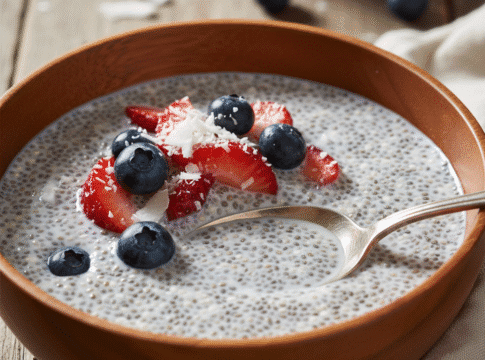
Chia seeds, tiny black and white seeds from the Salvia hispanica plant native to Central America, have become increasingly popular in India as a nutrient-rich superfood valued for their health benefits and adaptability in local diets, according to details received by The Chenab Times. Their rise reflects a growing focus on health-conscious eating across urban and rural households, integrating global nutrition trends with India’s diverse culinary traditions.
A 28-gram serving of chia seeds (about two tablespoons) provides approximately 137 calories, 10 grams of fiber, 5 grams of protein, 9 grams of healthy fats (mainly omega-3 fatty acids), and significant amounts of calcium, magnesium, and potassium, based on data from the United States Department of Agriculture. Rich in antioxidants like polyphenols, chia seeds help combat oxidative stress. These nutrients support digestion, heart health, blood sugar stability, and bone strength, making them a valuable addition to Indian diets, particularly for vegetarians and vegans seeking plant-based protein sources.
The high fiber content promotes regular digestion and gut health, while omega-3 fatty acids, primarily alpha-linolenic acid, contribute to cardiovascular wellness by reducing inflammation and improving cholesterol levels. The seeds’ calcium and magnesium aid bone health, addressing concerns like osteoporosis, which is prevalent in India. Their low glycemic index makes them suitable for managing diabetes by slowing carbohydrate absorption.
Chia seeds’ ability to absorb up to 12 times their weight in water, forming a gel-like consistency, makes them versatile in Indian cooking. They are commonly soaked in water or milk to create hydrating drinks or puddings, often flavored with fruits, honey, or local ingredients like saffron. In urban areas, they are blended into smoothies, sprinkled over salads, or mixed into parathas and rotis for added nutrition. In southern India, chia seeds are incorporated into dosa batters or used as a topping for curd rice. In northern regions, they appear in desserts like kheer or halwa, adding a subtle crunch.
Chia seed water, prepared by soaking seeds in water with lemon or mint, is popular for hydration and weight management due to its satiating properties. The seeds’ neutral taste allows them to complement both sweet and savory dishes, making them a flexible ingredient across India’s regional cuisines.
Research supports chia seeds’ health benefits. Studies indicate that their fiber aids digestion and reduces constipation risk. Omega-3 fatty acids have been linked to lower cardiovascular disease risk by improving lipid profiles. Chia seeds also help regulate blood sugar in type 2 diabetes patients by slowing carbohydrate digestion. Their antioxidants may reduce the risk of chronic conditions like cancer by neutralizing free radicals. Additionally, their calcium and magnesium content supports bone density, which is critical in India, where bone health issues are rising, particularly among women.
The popularity of chia seeds in India aligns with a broader shift toward plant-based and superfood diets, fueled by social media, wellness influencers, and health professionals. Nutritionists highlight chia seeds’ role in meeting protein and fiber needs, especially for vegetarians. Their rise is evident in urban markets, where they are sold in supermarkets and online platforms like Amazon India, as well as in rural areas where health awareness is growing.
India has begun cultivating chia seeds domestically, reducing dependence on imports from Mexico and Peru. States like Rajasthan, Madhya Pradesh, and Maharashtra are adopting chia farming due to its low water requirements, ideal for arid regions. Local brands such as Bagrry’s and True Elements offer homegrown chia seeds, promoting sustainability and affordability. The Indian chia market is expected to grow steadily, with projections estimating an 8.5% annual growth rate through 2030, according to the Agricultural and Processed Food Products Export Development Authority.
Health experts recommend a daily intake of 1-2 tablespoons (15-30 grams) to avoid digestive issues like bloating, particularly for those new to high-fiber foods. Adequate hydration is essential due to the seeds’ water-absorbing nature. Individuals with sensitive digestion should start with smaller amounts to allow gut adjustment. While chia seeds are nutrient-dense, their cost—ranging from ₹300 to ₹600 per kilogram—can be a barrier, though increasing local production may lower prices.
Consumers are advised to choose organic, high-quality seeds and store them in airtight containers in cool, dry places to maintain freshness. Soaking seeds before consumption enhances digestibility and nutrient absorption. Pairing them with vitamin C-rich foods like citrus fruits can improve iron absorption, addressing common deficiencies in Indian diets.
Chia seeds are blending into India’s food culture, appearing in traditional dishes like phirni in Jammu and Kashmir or as snacks at events like the Indian Heaven Premier League in Srinagar, which promotes tourism and wellness. Their cultivation offers economic benefits for farmers in water-scarce regions, as chia requires less irrigation than crops like rice. Government support for organic farming is encouraging farmers to grow chia, potentially boosting rural economies.
Chia seeds are available in supermarkets, health food stores, and online platforms. Popular recipes include chia pudding made with milk or plant-based alternatives, or adding seeds to homemade granola or yogurt. In Indian households, they can be mixed into lentil soups or used as a garnish for vegetable dishes to enhance nutritional value without altering flavor profiles.
Chia seeds have become a staple in India’s evolving health and culinary landscape, offering a nutrient-packed, versatile option for diverse diets. Their benefits—supporting digestion, heart health, and sustainable farming—align with India’s growing focus on wellness and local agriculture. As domestic production expands, chia seeds are set to become more accessible, bridging global superfood trends with India’s rich culinary heritage.
❤️ Support Independent Journalism
Your contribution keeps our reporting free, fearless, and accessible to everyone.
Or make a one-time donation
Secure via Razorpay • 12 monthly payments • Cancel anytime before next cycle


(We don't allow anyone to copy content. For Copyright or Use of Content related questions, visit here.)

The Chenab Times News Desk