Home Blog Page 10

Mumbai’s Mirchi Galli: A Centuries-Old Tradition of Chilli Grinding Thrives in Lalbaug

0
Neon-lit entrance in Kobe, Japan, showcasing vibrant street ambiance at night.
Photo by Vivien on Pexels

In the heart of Mumbai’s bustling Lalbaug district lies Mirchi Galli, a narrow lane where the aroma of freshly ground chillies permeates the air, especially during the summer months. This vibrant market, with its deep-rooted history, continues to be a central hub for spice enthusiasts and culinary professionals seeking a diverse range of ground chilli powders and blends.

The Chenab Times has learned that Mirchi Galli, also known as Tamba Kanta, has been a significant spice trading centre for over a century. Local vendors, many of whom are third or fourth-generation spice grinders, meticulously prepare various chilli powders, catering to a wide array of palates and culinary needs. The summer season is particularly crucial as it marks the time for processing fresh chillies, ensuring a steady supply for the rest of the year.

A Legacy of Spices

The origins of Mirchi Galli trace back to the early 20th century when traders established their businesses in this strategically located area. Over the decades, it has evolved from a simple marketplace to a specialized destination for chillies. The vendors take pride in their craft, offering a spectrum of heat levels and flavour profiles, from the mild Kashmiri chilli powder used for colour to the fiery Guntur chillies for intense spice.

The process of grinding chillies is a labor-intensive and skilled undertaking. Traditionally, large grinding stones, known as ‘chakki’, were used. While modern machinery has been introduced, many vendors still employ traditional methods, believing it imparts a superior flavour and texture to the powders. The careful selection of raw chillies, followed by a precise grinding process, is key to the quality offered by the shops in Mirchi Galli.

Diverse Offerings and Culinary Importance

Beyond the common varieties, Mirchi Galli offers unique blends and specialty chilli powders. These include combinations tailored for specific dishes, regional cuisines, or even for personal preferences. The market serves not only individual households but also a significant number of restaurants, caterers, and spice manufacturers across Mumbai and beyond. The vendors often act as advisors, guiding customers on the best chilli powder for their intended use.

The economic significance of Mirchi Galli is substantial for the local community. It provides employment and sustains the livelihoods of numerous families. The market’s continued success is a testament to the enduring demand for high-quality, freshly ground spices and the dedication of its long-standing vendors. Despite the proliferation of pre-packaged spices in supermarkets, Mirchi Galli retains its charm and relevance through its authenticity and specialization.

Adapting to Modern Times

While maintaining its traditional roots, Mirchi Galli has also adapted to contemporary market dynamics. Many vendors now also offer a wider range of other spices, including turmeric, coriander, and garam masala, alongside their primary chilli products. Some have also embraced online sales and delivery services to reach a broader customer base, although the in-person experience of selecting and purchasing spices directly from the grinders remains a significant draw.

The characteristic narrowness of the lane, coupled with the constant activity of loading and unloading goods, creates a unique sensory experience for visitors. The vibrant colours of the chillies, the rhythmic sound of grinding machines, and the strong aroma make Mirchi Galli a memorable destination for anyone interested in the authentic flavours of Indian cuisine. The ongoing tradition of chilli grinding in this Mumbai locality highlights the resilience of specialized markets in the face of evolving consumer habits.

The Summer Harvest

The summer season is paramount for Mirchi Galli, as it is the period when fresh chillies are procured and processed. This ensures a continuous supply of high-quality chilli powder throughout the year. Vendors work tirelessly during these months to meet the demand, carefully selecting the best produce from various chilli-growing regions. The quality of the raw material directly impacts the final product, making this selection process critical.

The local climate of Mumbai during summer, though hot, is conducive to the drying and initial processing of chillies before they are brought to the grinding units. The vendors understand the nuances of the chilli lifecycle and the optimal conditions for preserving their flavour and potency. This deep knowledge, passed down through generations, is what sets Mirchi Galli apart as a premier destination for spice connoisseurs.

The continuous operation of Mirchi Galli serves as a vibrant example of how traditional businesses can thrive by maintaining quality, specializing in their craft, and adapting to market needs. It remains an integral part of Mumbai’s culinary landscape, offering a direct connection to the authentic preparation of essential Indian spices.


Maharashtra Education Department Streamlines Sports Grace Marks Process for Board Exams

0
An open book with a red cover showing pages filled with text, symbolizing knowledge and education.
Photo by Pixabay on Pexels

The Maharashtra School Education Department has introduced a simplified procedure for awarding grace marks to students in board examinations who have excelled in sports at various levels. This move aims to streamline the process and ensure that deserving students receive appropriate academic credit for their achievements in extracurricular activities.

The Chenab Times has learned that the department has issued a comprehensive circular outlining the revised guidelines for the implementation of sports grace marks. This initiative is expected to benefit a significant number of students across the state by making the recognition of their sporting prowess more accessible and efficient.

Traditionally, the process of awarding grace marks for sports achievements has been subject to various interpretations and procedural complexities, sometimes leading to delays or discrepancies. The new guidelines are designed to standardize the application and approval mechanism, ensuring uniformity in its application across all affiliated schools and examination centers within Maharashtra.

Under the revised procedure, students who have represented their school, district, state, or country in recognized sports competitions will be eligible for grace marks. The circular details the specific criteria and the hierarchy of achievements that will qualify for these marks. It emphasizes that the sports achievements must be in disciplines recognized by the Maharashtra State Board of Secondary and Higher Secondary Education or other stipulated sports bodies.

The process now requires students to submit authenticated certificates of their sports achievements along with their board examination forms. Schools will play a crucial role in the initial verification of these documents before forwarding the applications to the respective divisional boards. The circular also specifies timelines for the submission and processing of these applications to avoid last-minute complications during the examination period.

A key aspect of the simplification involves the establishment of a clear framework for evaluating the level and significance of each sports achievement. This includes categorizing competitions and specifying the corresponding number of grace marks that can be awarded. For instance, participation in national-level championships will carry more weightage than district-level events, with a defined upper limit for the total grace marks a student can receive.

The Education Department has also clarified the role of sports associations and federations in validating the authenticity of the sports certificates. This measure is intended to prevent fraudulent claims and ensure that only genuine achievements are recognized. Schools are instructed to meticulously check the validity of the certificates and ensure they are issued by recognized authorities.

Furthermore, the circular addresses the scenario where a student might have multiple sports achievements. It outlines a clear policy on how these can be consolidated or how the highest eligible award will be considered for grace marks, preventing redundancy and ensuring fair play. The aim is to encourage participation in sports without compromising the academic evaluation process.

Education officials have indicated that this initiative is part of a broader effort to promote a holistic approach to education, recognizing that sports and physical activities are integral to a student’s overall development. By facilitating the recognition of sports achievements, the department hopes to motivate more students to engage in athletic pursuits while pursuing their academic goals.

The implementation of these simplified guidelines is expected to be closely monitored by the department to ensure smooth execution. Awareness programs and training sessions may be organized for school administrators and examination staff to familiarize them with the new procedures. The department is committed to making this process transparent and beneficial for all eligible students across Maharashtra, fostering an environment where academic and sporting excellence are both valued and rewarded.

Syrian Alawite Minority Faces Increased Kidnappings of Women and Girls, Investigation Reveals

0
Crime News
Image showing a crime scene. (Photo for representation purposes only)

A recent investigation has uncovered a more widespread and severe pattern of kidnappings targeting women and girls from Syria’s Alawite minority than previously acknowledged by the government. The findings suggest a deeply concerning trend within the war-torn nation, exacerbating existing fears among this religious community.

Information was available with The Chenab Times indicating that the abductions have been characterized by brutality and have instilled significant apprehension within the Alawite population, who have historically faced marginalization and persecution in various contexts. The scale of these incidents appears to be considerably larger than official reports have indicated, raising questions about the government’s capacity or willingness to address the issue effectively.

The Alawites, a syncretic ethno-religious group largely concentrated in the coastal regions of Syria, particularly in the province of Latakia, have been a significant demographic within the country for centuries. Their religious practices, a branch of Shia Islam with mystical elements, have sometimes led to their misunderstanding and ostracization by more orthodox Muslim communities. Under the rule of the Assad family, who are Alawite, the community has held a dominant position in Syria’s political and military establishment. However, the ongoing civil conflict, which began in 2011, has disrupted this power dynamic and exposed minority groups to increased vulnerability.

The investigation, conducted by The New York Times, relied on interviews with victims, their families, local officials, and human rights activists. It paints a grim picture of women and girls being forcibly taken from their homes and communities, often under the cover of darkness or during periods of civil unrest. The motives behind these abductions remain complex, with possibilities ranging from ransom demands to sexual exploitation, and in some cases, forced conscription into armed groups operating in the region.

The report highlights the specific vulnerabilities faced by Alawite women and girls. Due to their religious identity and the social structures within their communities, they may be more susceptible to abduction. Furthermore, the breakdown of law and order in many parts of Syria has created an environment where such crimes can occur with relative impunity. The ongoing instability and the proliferation of armed factions further complicate efforts to track perpetrators and provide justice for victims.

Humanitarian organizations operating in Syria have noted a general increase in the violation of human rights across all communities affected by the conflict. However, targeted abductions of specific demographic groups, such as women and girls, represent a particularly egregious form of violence that can have profound and lasting psychological, social, and physical consequences for individuals and their communities. The fear of abduction can restrict movement, disrupt education, and further isolate already vulnerable populations.

The government of Syria, which has been battling various opposition factions and extremist groups since 2011, has often faced international criticism for its human rights record. While official statements typically deny or downplay such incidents, the investigative findings suggest a significant disconnect between public pronouncements and the reality on the ground for communities like the Alawites. The government’s response to these specific allegations will be closely watched, especially in light of its efforts to regain control over rebel-held territories and restore order.

The context of the Syrian civil war is crucial to understanding the dynamics of these kidnappings. The conflict has fractured the country, creating a complex mosaic of territorial control by the Syrian government, various opposition groups, Kurdish forces, and extremist organizations like ISIS. Each of these actors, as well as criminal elements, may have different motivations and capabilities for carrying out abductions. The lack of a unified and effective judicial system across the country makes accountability for such crimes exceptionally challenging.

The psychological impact on the Alawite community is profound. The constant fear of losing loved ones to abduction can lead to widespread trauma, anxiety, and social fragmentation. Women and girls may be confined to their homes, limiting their participation in public life and economic activities. This can further entrench cycles of vulnerability and disadvantage within the community.

International bodies and human rights organizations have consistently called for an end to all forms of violence and human rights abuses in Syria. However, the sheer scale and complexity of the conflict often make it difficult to implement effective protection mechanisms for civilians, particularly those belonging to minority groups. The findings of this investigation underscore the urgent need for greater international attention and concerted efforts to ensure the safety and security of all Syrian civilians, regardless of their religious or ethnic affiliation.

The investigation also points to the difficulties in gathering accurate data on such crimes in conflict zones. Victims and their families may be reluctant to report incidents due to fear of reprisal, stigma, or a lack of faith in the justice system. This underreporting can create a distorted perception of the problem, making it harder to mobilize resources and implement effective interventions.

As Syria continues to navigate its post-conflict recovery, addressing the legacy of violence, including the abductions of women and girls, will be a critical challenge. Ensuring accountability for perpetrators and providing support for victims will be essential steps towards achieving lasting peace and reconciliation in the country. The plight of the Alawite minority, as highlighted by this investigation, serves as a stark reminder of the ongoing human cost of the protracted conflict.

Suicide car bomb blast kills  five in northwest Pakistan

0
Crime News
Image showing a crime scene. (Photo for representation purposes only)

{
“is_rejected”: false,
“reject_reason”: “”,
“article_type”: “latest_news”,
“title”: “Pakistan: Suicide Car Bombing Kills Five in Khyber Pakhtunkhwa”,
“content”: “

PESHAWAR, Pakistan – A suicide car bombing targeted a police station in the Domel tehsil of Bannu district in northwest Pakistan’s Khyber Pakhtunkhwa province late Thursday, killing five people and injuring 13 others, authorities reported Friday.

The Chenab Times has learned that the bomber rammed an explosives-laden vehicle into the rear of the police station, igniting a powerful explosion that was reportedly heard miles away and caused widespread panic. Gunfire was heard immediately following the blast, further escalating tension in the vicinity.

Among the five fatalities were four members of the same family, including a husband, wife, daughter, and son. At least four police personnel were among the 13 individuals who sustained injuries in the attack. Rescue and emergency response operations were underway as officials assessed the damage, which also affected several nearby houses.

No group has immediately claimed responsibility for the incident. However, the banned Tehreek-i-Taliban Pakistan (TTP) issued a statement denying any involvement. TTP spokesperson Muhammad Khorasani alleged that the attack was orchestrated by the “establishment and state institutions” to foster anti-militant sentiment among residents and create societal divisions. He urged the public to remain vigilant against what he described as “deceptive tactics.”

Prime Minister Shehbaz Sharif condemned the attack and expressed his condolences for the loss of life, according to a statement from his office. Preliminary investigations suggest the police station was the intended target of the bombing. There has been no immediate official response from government or military officials concerning the TTP’s allegations.

“,
“excerpt”: “A suicide car bomb attack on a police station in Pakistan’s Khyber Pakhtunkhwa province has killed five people, including a family of four, and injured 13 others. The banned TTP has denied involvement, alleging state orchestration.”,
“tags”: [
“suicide bombing”,
“car bomb”,
“Khyber Pakhtunkhwa”,
“Bannu”,
“police station attack”,
“Tehreek-i-Taliban Pakistan”
],
“categories”: [
“Crime”,
“International”
],
“main_subjects”: [
“Tehreek-i-Taliban Pakistan”,
“Khyber Pakhtunkhwa Police”
],
“image_search_query”: “pakistan police station explosion”,
“seo_title”: “Pakistan: Suicide Car Bomb Kills 5 in Khyber Pakhtunkhwa”,
“seo_description”: “A suicide car bombing targeting a police station in Pakistan’s Khyber Pakhtunkhwa province has resulted in five deaths, including a family of four, and injured 13. The TTP has denied responsibility.”,
“focus_keyword”: “Pakistan suicide car bomb”
}

Jammu and Kashmir Family’s Three-Decade Wait for Militancy-Related Property Loss Relief Reaches Central Information Commission

0
Open book on lace tablecloth next to tea cup, creating a cozy atmosphere.
Photo by betül nur akyürek on Pexels

SRINAGAR, Apr 3: A Kashmiri family’s pursuit of ex-gratia relief for property destroyed in a militancy-related incident in December 1992 has extended over three decades, with the second generation now seeking answers from the Central Information Commission (CIC) regarding the compensation’s status.

Information was available with The Chenab Times that the property, located in Verinag, Anantnag district of Jammu and Kashmir, comprised a three-storey residential house, a multi-storey cowshed, and a wooden granary, spread across approximately 10 marlas of land. It was reportedly destroyed on the night of December 7-8, 1992, due to subversive activities.

The appellant, Pran Nath, filed an application under the Right to Information (RTI) Act, asserting that to his knowledge, no ex-gratia relief had been disbursed to the concerned parties to date. He requested details concerning the individual who purportedly received the relief, the amount disbursed, and the relevant sanction orders, especially as authorities had indicated that payment had already been made.

Official records indicate that an amount of Rs 44,500, deemed admissible under the norms prevalent at the time of the incident, had been sanctioned and forwarded to the Relief Commissioner (M) Jammu for disbursement. However, a subsequent communication from the relief and rehabilitation commissioner’s office stated that, according to available records, no such amount had been disbursed to Shiv Ji Sharma, Damodar Sharma, Maharaj Krishen, Amarnath, Pushkar Nath, or Shamboo Nath, all residents of Verinag, Anantnag district, concerning the damage to their immovable property in the militancy incident of December 7-8, 1992.

Pran Nath maintains that neither he nor any other legal heirs have received any compensation and is seeking to ascertain the identity of the individual who allegedly withdrew the sanctioned relief. This case represents a generational struggle for justice, with Pran Nath continuing the claim originally initiated by his late father, Shiv Ji Sharma, who was one of the co-owners of the destroyed property. The family had previously approached the high court through a writ petition, which had directed the authorities to consider their case within a specified timeframe.

The responsibility of pursuing the matter has now fallen to the second generation due to the passage of time and the demise of the original claimants. They continue to seek definitive clarity on whether the sanctioned relief ever reached the rightful beneficiaries. Chief Information Commissioner Raj Kumar Goyal noted that critical facts pertaining to the alleged disbursal could not be definitively established in the absence of the respondent official.

Goyal emphasized the imperative of hearing the Public Information Officer (PIO) from the Deputy Commissioner’s office in Anantnag before reaching any conclusions. The Chief Information Commissioner further pointed out that the official had neither attended the scheduled hearing, despite proper advance notice, nor submitted any written statement or counter to present the relevant facts or arguments. The Central Information Commission’s intervention highlights the ongoing challenges faced by families seeking redressal for damages incurred due to past militancy-related incidents.

Pune Intensifies Monsoon Preparedness Following Waterlogging Amid Heavy Rains

0
Fire station building in Konaev, featuring Kazakh flag and signage, captured in daylight.
Photo by Aibek Skakov on Pexels

Pune Municipal Corporation (PMC) has expedited its monsoon preparedness measures after the city experienced significant waterlogging and disruptions due to intense rainfall over the past day. The civic body is now prioritizing the clearing of drains, strengthening of embankments, and deployment of resources to mitigate the impact of future downpours.

The Chenab Times has learned that the recent spell of heavy showers exposed vulnerabilities in the city’s drainage infrastructure, leading to water inundating several low-lying areas, disrupting traffic, and causing inconvenience to residents. In response, the PMC has initiated a series of actions to enhance its readiness for the remainder of the monsoon season.

Accelerated Drain Cleaning and Desilting Operations

Municipal authorities have intensified efforts to clean and desilt stormwater drains across the city. Workers are on a mission to remove accumulated silt, garbage, and debris that obstruct the flow of rainwater. Special focus is being given to major nullahs and drainage channels that are prone to overflow during heavy rainfall. The PMC has also urged citizens to refrain from dumping waste into drains, emphasizing the collective responsibility in preventing waterlogging.

Strengthening Embankments and Disaster Management Preparedness

Work is underway to reinforce weak embankments along rivers and streams that traverse the city. This includes inspecting and repairing existing structures and, where necessary, constructing temporary barriers to prevent riverbank erosion and potential flooding. The disaster management cell of the PMC has also been put on high alert. Teams equipped with necessary machinery and rescue equipment are being strategically positioned to respond swiftly to any emergency situations that may arise.

Public Awareness and Complaint Redressal

The PMC is also focusing on public awareness campaigns to inform citizens about safety measures during heavy rainfall. This includes advising residents in flood-prone areas to take precautions and providing contact numbers for reporting waterlogging or other monsoon-related issues. The civic body has established a dedicated helpline and is monitoring complaints through various channels to ensure timely intervention. An emphasis is being placed on proactive identification of vulnerable spots and addressing them before the onset of severe weather events.

Infrastructure Assessment and Mitigation Strategies

Following the recent downpour, engineers and officials are conducting a thorough assessment of the city’s storm water drainage system and other critical infrastructure. This assessment aims to identify any structural deficiencies or capacity limitations that contributed to the waterlogging. Based on these findings, the PMC plans to implement long-term mitigation strategies, which may include upgrading existing drainage networks, constructing new channels, and improving road and pavement designs to facilitate better water runoff.

The meteorological department has forecast more rainfall in the coming days, prompting the PMC to maintain its heightened state of preparedness. The civic body is collaborating with other government agencies to ensure a coordinated response to any potential challenges posed by the monsoon.

Jammu and Kashmir: BJP Welcomes Magisterial Probe into Ganderbal Encounter

0

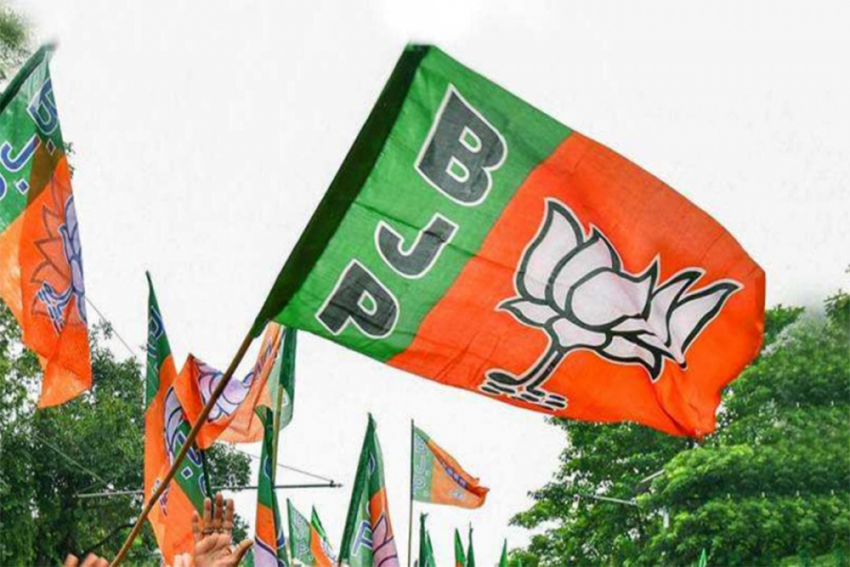
SRINAGAR: The Bhartiya Janta Party’s Kashmir Media Incharge, Adv. Sajid Yousuf Shah, has welcomed the initiation of a magisterial enquiry into the concerns raised by the family of an individual killed in an encounter in Ganderbal district. The move follows the Army’s confirmation of a militant’s death in the Arhama forest area.

According to details received by The Chenab Times, Shah described the decision to launch the enquiry as a constructive and necessary step. He emphasized the importance of the investigation being conducted in a fair, transparent, and time-bound manner. According to the statement, Shah believes that ensuring accountability and upholding justice through such processes will bolster public trust and reaffirm confidence in the established legal procedures.

The encounter, which occurred in the Arhama forest area of Ganderbal, resulted in the death of one militant, as reported by the Army. The family of the deceased subsequently raised concerns, prompting calls for a thorough investigation to ensure transparency and accountability in the operations.

The magisterial probe is expected to examine the circumstances surrounding the encounter and address the allegations or questions put forth by the family. Such enquiries are often initiated to provide an independent review of reported incidents, particularly those involving fatalities during counter-militancy operations. The process aims to ascertain the facts and ensure that all actions taken were in accordance with the law and established protocols.

In the past, similar probes have been instrumental in clarifying the sequence of events and addressing grievances, thereby contributing to the maintenance of public order and trust in security forces. The BJP’s stance suggests a commitment to due process and justice, aligning with calls for meticulous investigation into sensitive matters.

Jammu and Kashmir Tulip Garden Attracts Over 2 Lakh Visitors

0
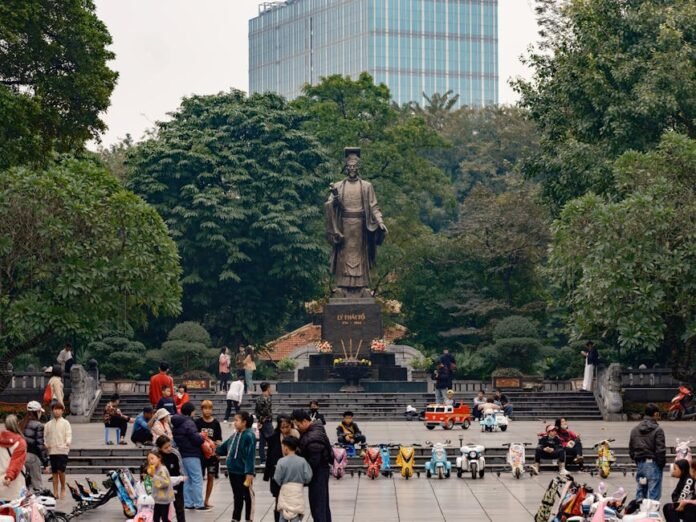
Lively scene at Lý Thái Tổ statue in Hanoi, showcasing cultural heritage.
Photo by Hao Hoang on Pexels

The iconic Indira Gandhi Memorial Tulip Garden in Srinagar has registered a significant surge in footfall, with over two lakh tourists visiting the sprawling floral landscape since its opening this season. The impressive numbers underscore the garden’s growing prominence as a major tourist attraction in the Kashmir Valley.

The Chenab Times has learned that the Directorate of Floriculture, which manages the garden, has expressed satisfaction with the visitor turnout. The garden, renowned for its vibrant display of tulips, has become a must-visit destination for domestic and international tourists alike, contributing to the local tourism economy.

Record Visitor Numbers

Officials have reported that the number of visitors is steadily increasing, reflecting the sustained appeal of the tulip garden, which is one of Asia’s largest. The Directorate of Floriculture has been actively promoting the garden through various channels, further enhancing its visibility and drawing capacity.

The garden typically opens in late March or early April, coinciding with the peak blooming season of tulips. This year, the weather conditions have been conducive to a robust bloom, allowing visitors to witness the full splendor of thousands of tulip varieties in diverse colors and patterns. The visual spectacle is a major draw for photographers and nature enthusiasts.

Economic Impact and Future Prospects

The influx of tourists to the Tulip Garden not only boosts visitor numbers for the region but also has a ripple effect on other sectors of the local economy, including hospitality, transport, and handicrafts. Tour operators and hoteliers have reported a significant uptick in bookings, attributing it in part to the popularity of the garden.

The success of the Tulip Garden highlights the potential for horticultural tourism in Jammu and Kashmir. The government and the Directorate of Floriculture are reportedly exploring avenues to expand the appeal of such attractions, potentially through the introduction of new floral displays and related activities. The focus remains on enhancing the visitor experience and ensuring the sustainable development of these natural and cultivated wonders.

Local authorities have implemented measures to ensure smooth visitor management, including traffic control and adequate security arrangements. The vibrant display of tulips, coupled with the picturesque backdrop of the Zabarwan Range, provides a unique and memorable experience for all who visit.

The continuous increase in visitor numbers signifies the growing recognition of the Indira Gandhi Memorial Tulip Garden as a world-class tourist destination. The commitment to maintaining and enhancing the garden’s beauty and visitor amenities is expected to further solidify its position on the global tourism map.

Anantnag GMC Inaugurates MRI Unit and Modular Operation Theatres

0

Anantnag, Jammu & Kashmir – The Government Medical College (GMC) in Anantnag has received a significant upgrade with the inauguration of a new Magnetic Resonance Imaging (MRI) unit and three modular Operation Theatres (OTs). The facilities were officially opened by Ms. Sakina Itoo, a prominent political figure from the region, marking a substantial enhancement in the diagnostic and surgical capabilities available to the local population.

The Chenab Times has learned that the introduction of these advanced medical facilities is expected to significantly improve patient care by reducing the need for patients to travel to other cities for specialized imaging and complex surgical procedures. The new MRI unit will provide crucial diagnostic imaging services, aiding in the early detection and accurate assessment of a wide range of medical conditions, including neurological disorders, musculoskeletal injuries, and various internal ailments. The three modular OTs are equipped with state-of-the-art technology designed to meet modern surgical standards, ensuring a sterile and efficient environment for a variety of surgical interventions.

Ms. Itoo, while inaugurating the facilities, emphasized the importance of accessible and advanced healthcare infrastructure in district hospitals. She highlighted that the new additions to GMC Anantnag would cater to the growing medical needs of the residents in Anantnag and surrounding districts, thereby alleviating the burden on tertiary care hospitals located further afield. The integration of these facilities is anticipated to streamline patient management and improve treatment outcomes.

The establishment of the MRI unit involved considerable investment and planning, aimed at bringing cutting-edge diagnostic technology to the region. Similarly, the modular operation theatres are designed to enhance safety and precision during surgeries, incorporating features such as advanced air filtration systems and integrated lighting. These improvements are crucial for performing complex and minimally invasive procedures, which often require a highly controlled surgical environment.

The hospital administration expressed optimism about the impact of these new facilities on healthcare delivery in the Chenab Valley region. Medical professionals at GMC Anantnag are undergoing training to effectively operate the new equipment and utilize the advanced OT infrastructure. The availability of an in-house MRI service is expected to reduce waiting times for diagnostic scans, a common challenge faced by public healthcare facilities. This development is seen as a positive step towards strengthening the healthcare ecosystem in the Jammu and Kashmir Union Territory, ensuring that more people can receive timely and quality medical attention closer to their homes.

Indian Oil Assures Stable LPG Supply Amid Global Tensions, Warns Against Panic Buying

0
Top view of a book, coffee, and cookies on a bed with white roses.
Photo by Şehâdet Yoldaç on Pexels

New Delhi – Indian Oil Corporation (IOC), the country’s largest oil company, has stated that the supply of Liquefied Petroleum Gas (LPG) in India remains stable and adequate, despite ongoing geopolitical developments impacting global energy markets. The company emphasized that domestic availability of LPG is its highest priority.

Information was available with The Chenab Times that IOC is currently delivering approximately 28 lakh LPG cylinders daily, a volume consistent with pre-tension levels, ensuring uninterrupted supply to households across the nation. The company is also observing that a significant majority, around 87 percent, of refill bookings are being made through digital platforms, with deliveries authenticated via One-Time Passwords (OTP) to ensure accurate distribution.

In a statement, IOC reiterated that India’s LPG supply is stable, adequate, and under close monitoring. The company highlighted its commitment to prioritizing domestic LPG supply amidst global energy market fluctuations. The daily delivery of around 28 lakh cylinders has been maintained to align with normal distribution levels preceding the current geopolitical challenges, ensuring a consistent flow to consumers.

Customers are encouraged to utilize digital booking methods, including SMS and IVRS, for their LPG refills. The widespread adoption of these digital platforms, with nearly 87 percent of bookings received this way, reflects a shift towards convenient and efficient service. The implementation of Delivery Authentication Codes (DAC OTP) further enhances the security of the distribution process, verifying that cylinders reach the intended recipients.

Indian Oil is actively monitoring customer concerns raised through its social media channels and is dedicated to addressing them promptly. The company has acknowledged reports of malpractices by certain LPG distributors, identified through social media and customer complaints. To combat black marketing and hoarding, IOC has deployed multiple cross-functional teams to conduct surprise inspections of LPG distributorships nationwide.

The firm has intensified its enforcement measures against distributors engaging in malpractices. To date, more than 7,500 inspections have been conducted, resulting in action against 141 distributors, including the suspension of five. In collaboration with state authorities and other oil marketing companies, approximately 68,000 raids have been carried out. These enforcement actions have led to the registration of 855 First Information Reports (FIRs) and the seizure of over 48,000 LPG cylinders.

IOC has urged customers to refrain from panic booking or hoarding LPG cylinders, assuring them that there is no shortage of supply in the country. Consumers are advised to rely solely on official communication channels for accurate information and to avoid spreading or believing unsubstantiated rumors. The company stressed that its commitment remains firm in ensuring seamless LPG availability, maintaining transparency in distribution, and strictly enforcing measures against any form of malpractice.

The company’s proactive stance aims to reassure all Indane customers about the continued adequacy and stability of LPG supplies, dispelling any concerns about potential shortages. Consumers are advised against unnecessary queues at LPG distributorships and to abstain from panic booking or stocking of cylinders. Reliance on official sources for information is paramount, according to IOC’s advisory.