Home Blog Page 15

Pune Records Highest April Rainfall Since 1896; Shivajinagar Sees 65mm Downpour

0
Benjamin B. Cohen, in his highly informative study of Raj clubs, In the club Associational Life in colonial South Asia writes: "Locating the center of the [colonial] club's sphere at Government House…
Benjamin B. Cohen, in his highly informative study of Raj clubs, In the club Associational Life in … — Clifton & Co. Mumbai / CC BY 4.0

Pune has experienced its wettest April day in over 128 years, with Shivajinagar recording a staggering 65 millimeters of rainfall on Tuesday. This deluge surpasses the previous record for the month of April, which was set in 1896.

The India Meteorological Department (IMD) confirmed the unprecedented rainfall, indicating a significant deviation from typical weather patterns for this time of year. The downpour has led to waterlogging in several parts of the city, disrupting normal life and traffic.

According to details received by The Chenab Times, the intense rainfall began early Tuesday morning and continued for several hours, inundating streets and low-lying areas. Residents reported knee-deep water in many localities, prompting swift action from local authorities to manage the situation and assist affected citizens. Emergency services were deployed to address waterlogging issues and ensure public safety.

The IMD attributed the extreme weather event to a confluence of meteorological factors, including the persistence of a trough extending from South Chhattisgarh to the Comorin area, coupled with moisture influx from the Arabian Sea. Such conditions are unusual for April, a month typically characterized by rising temperatures and dry weather in the region.

The unprecedented rainfall has brought parts of Pune to a standstill. Several roads have been rendered impassable, forcing commuters to seek alternative routes or delay their travel. Images and videos circulating on social media platforms depicted waterlogged streets, submerged vehicles, and residents navigating through flooded areas. The Pune Municipal Corporation (PMC) has activated its disaster response teams to clear waterlogged zones and address civic complaints arising from the heavy showers.

Local authorities have issued advisories urging citizens to exercise caution, avoid unnecessary travel, and stay updated on weather reports. The sudden and intense rainfall has also raised concerns about the preparedness of urban infrastructure to handle such extreme weather events, which are becoming more frequent globally due to climate change.

The meteorological department had previously forecast thunderstorms and moderate to intense rainfall in isolated parts of Maharashtra, including Pune, over the preceding days. However, the sheer volume of rain recorded in Shivajinagar exceeded expectations, highlighting the unpredictable nature of current weather systems.

This record-breaking rainfall not only disrupts daily life but also provides valuable data for meteorologists studying climate variability and extreme weather patterns in the region. The long-term implications for agriculture and water management in the surrounding areas will also be a subject of further observation.

The city administration is closely monitoring the situation and has appealed to the public to cooperate with emergency services. Efforts are underway to restore normal conditions as quickly as possible. The heavy showers, while causing inconvenience, have also brought a respite from the pre-summer heat that had begun to grip the region.

Jammu and Kashmir Health Spending Trails Tertiary Care Needs, Driving Medical Migration

0
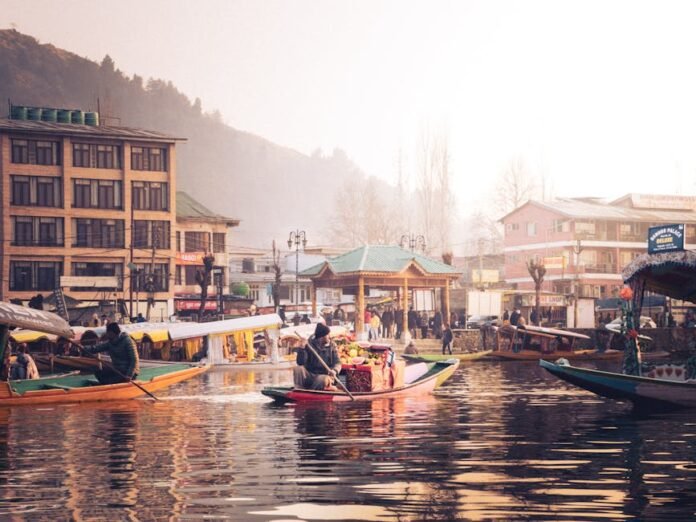
Colorful boats and bustling activity at Dal Lake, Kashmir, capturing a lively morning scene.
Photo by Uvaiz Muhammed on Pexels

JAMMU AND KASHMIR: Public expenditure on health in Jammu and Kashmir has seen an increase over the past decade, yet current levels and allocation structures are raising concerns about the ability to meet rising tertiary and super-speciality care demands.

According to details received by The Chenab Times, health spending in the Union Territory rose from approximately Rs 1,205 crore in the 2012-13 fiscal year to nearly Rs 1,883 crore by 2019-20. The allocation experienced a peak of around Rs 2,109 crore in 2017-18, followed by a marginal decline in the subsequent two years, a trend that warrants scrutiny given the increasing healthcare requirements.

This stagnation in expenditure after 2017-18 contrasts with the upward trajectory observed in many other Indian states during the same period. Several structural issues are shaping the health financing framework within Jammu and Kashmir. A significant portion of the health budget is currently allocated to salaries and routine operational costs, necessitating a reassessment to prioritize capital investment in diagnostics, upgradation of district hospitals, and enhancement of emergency services.

While the long-term trend in health spending for Jammu and Kashmir shows an increase, its growth rate has been modest when compared to several other states. States like Punjab, Haryana, Rajasthan, and Tamil Nadu have demonstrated stronger and more consistent expansion in their health budgets. Even smaller hill states such as Himachal Pradesh have maintained relatively higher per capita expenditure, considering population size and geographic challenges.

In terms of its share of the total state budget, health expenditure in Jammu and Kashmir has generally remained between 4 to 5 percent over the past decade. This allocation has not seen a substantial structural increase despite the growing burden of diseases and the demand for advanced medical care. In contrast, some high-performing states have progressively increased the fiscal importance of health within their overall budgetary framework.

The consequences of this underinvestment are evident in the outcomes of service delivery, particularly concerning tertiary and super-speciality care. A substantial number of patients from Jammu and Kashmir continue to seek treatment for serious and life-threatening conditions in metropolitan centres such as Delhi, Chandigarh, Amritsar, and Mumbai. These complex treatments include advanced cardiac procedures, oncology, neurosurgery, organ transplants, and intricate trauma care.

While referral systems and public insurance schemes offer a degree of financial assistance, the overall economic and social costs borne by patients and their families remain considerable. High out-of-pocket expenses are incurred on travel, accommodation, and extended stays. For households with limited financial resources, this often leads to distress borrowing or the liquidation of assets to fund medical treatment.

Beyond financial burdens, medical migration also imposes significant emotional strain and can lead to delays in receiving necessary treatment. Patients from remote districts face the additional challenge of first travelling within the Union Territory before potentially being referred outside, adding further complexity and time to their healthcare journey.

The continued outward flow of patients highlights not only clinical challenges but also structural deficiencies in the region’s tertiary healthcare infrastructure and the availability of specialist medical professionals. Three primary structural constraints contribute to this situation.

Firstly, capital expenditure dedicated to building advanced medical infrastructure has been limited relative to the prevailing needs. While primary and secondary healthcare facilities have seen expansion, super-speciality capacity remains concentrated in a few key institutions.

Secondly, there is a persistent shortage of specialists in critical fields such as cardiology, oncology, neurosurgery, and critical care. Recruiting and retaining highly skilled professionals in these areas has proven difficult, attributed partly to insufficient research opportunities, limited career progression pathways, and inadequate infrastructural support.

Thirdly, diagnostic capacity in district hospitals exhibits uneven development. Delayed diagnosis of diseases often results in patients being referred for treatment at advanced stages, thereby increasing reliance on external healthcare facilities.

Addressing these multifaceted challenges necessitates a targeted and phased strategic approach, moving beyond incremental budget increases. A dedicated plan for strengthening tertiary care services in Jammu and Kashmir should be formulated, prioritizing the establishment and expansion of super-speciality wings in existing tertiary institutions across both the Kashmir and Jammu divisions. Strategic capital investment in oncology centres, cardiac institutes, and trauma facilities is crucial.

Exploring public-private partnership models for high-end diagnostic services, such as PET scans and advanced radiology, could enhance access while managing fiscal implications through structured contracts and regulatory oversight. Furthermore, strengthening specialist retention policies through competitive remuneration, research grants, housing support, and transparent promotion mechanisms is vital for long-term commitment.

The expansion of telemedicine services, extending beyond primary consultations to specialist networks, can facilitate virtual tumour boards and remote reviews, supporting district-level doctors in managing complex cases and reducing unnecessary referrals. A region-specific health infrastructure equalisation formula is also needed to guide resource allocation, ensuring districts with greater remoteness and access limitations receive increased capital support to mitigate geographic disparities.

Ultimately, data-driven planning is indispensable. A systematic audit of out-of-state referrals, categorized by disease type and district of origin, can pinpoint areas requiring immediate investment and targeted infrastructure development.

Jammu and Kashmir has made progress in increasing its public health expenditure over the past decade. However, when benchmarked against many other states and Union Territories, the scale and composition of this spending appear insufficient to address the evolving healthcare needs of the population. The ongoing reliance on other states for critical medical treatments underscores structural gaps that demand focused policy attention and strategic intervention to bolster regional healthcare self-reliance.


Pune SIR Meeting: Shiv Sena Factions, NCP Absent Amid Speculation

0
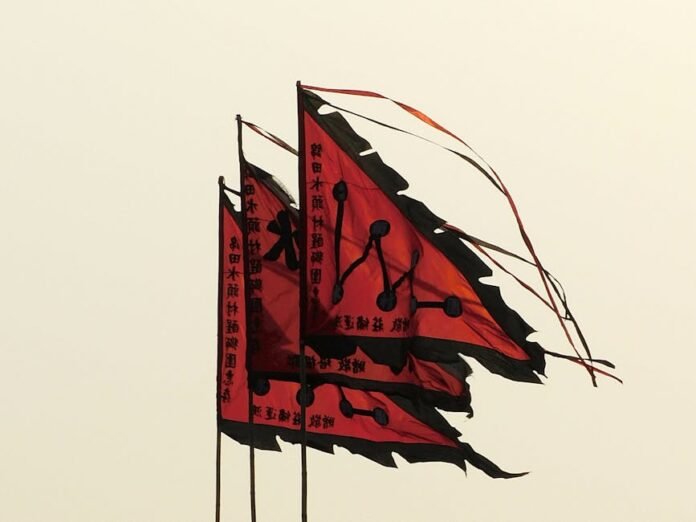
From below of similar red and black flags with hieroglyphs waving in wind against cloudy sky
Photo by John Lee on Pexels

A significant meeting of the Strategic Independent Review (SIR) committee in Pune saw the absence of representatives from both factions of the Shiv Sena and the Nationalist Congress Party (NCP). The development has fueled speculation regarding the internal political dynamics and coordination among the ruling Maha Vikas Aghadi allies.

The Chenab Times has learned that the meeting, convened to discuss important political strategies and upcoming electoral prospects, was scheduled for Monday. However, key leaders and members from Uddhav Thackeray’s Shiv Sena (Uddhav Balasaheb Thackeray) and Eknath Shinde’s Shiv Sena, as well as the NCP led by Sharad Pawar, did not attend the proceedings. The absence of these prominent political entities from a meeting of such strategic importance has drawn considerable attention from political observers and the media.

Sources close to the development indicated that the parties cited various reasons for their non-participation. While some reports suggested a lack of prior communication, others pointed towards scheduling conflicts. However, the collective absence has led to widespread conjecture about potential disagreements or a cooling of relations among the alliance partners, which also includes the Congress party.

The SIR committee meetings are generally understood to be platforms where the ruling coalition chalks out its path forward, addresses internal issues, and strategizes for elections and governance. The absence of major constituents like the two Shiv Sena factions and the NCP raises questions about the effectiveness and cohesion of the alliance. Political analysts suggest that such a unified absence might signal underlying issues that are yet to be publicly disclosed.

Leaders from the absent parties have offered differing explanations. Some have claimed that they were not adequately informed about the agenda or the importance of the meeting, while others have suggested that their schedules were already packed with prior commitments. However, the sheer number of absentees from multiple key parties within the ruling coalition has amplified the significance of their non-attendance.

The political landscape in Maharashtra has been dynamic, with constant maneuvering and strategic realignments. The Maha Vikas Aghadi, formed to counter the Bharatiya Janata Party, comprises parties with distinct ideologies and strong regional bases. While they have largely presented a united front, internal coordination and strategic alignment have often been subjects of discussion.

The current development is particularly noteworthy given the upcoming electoral challenges and the need for a cohesive strategy. The SIR meetings are typically crucial for ensuring that all alliance partners are on the same page regarding policy decisions, public outreach, and electoral campaigns. The absence of the Shiv Sena factions and the NCP could potentially impact the coalition’s ability to present a unified front in the near future.

The Bharatiya Janata Party, the primary opposition in the state, is expected to closely monitor these developments. The perceived disunity or lack of coordination within the ruling alliance could offer political opportunities for the opposition to exploit.

Further details regarding the specific reasons for the absence of the leaders and the implications for the ruling coalition are yet to emerge. The situation remains fluid, with political circles in Maharashtra keenly watching for any subsequent statements or actions from the involved parties.

Jammu and Kashmir: SIA Chargesheets Associate for Harbouring Militants in Thanamandi Attack

0
Crime News
Image showing a crime scene. (Photo for representation purposes only)

The State Investigation Agency (SIA) of Jammu and Kashmir has filed a chargesheet against an individual for allegedly providing support to militants involved in the killing of a civilian in Thanamandi. The accused, Sabar Hussain, is alleged to have harboured militants affiliated with the Lashkar-e-Taiba (LeT) and its offshoot, The Resistance Front (TRF), who were responsible for the fatal attack.

Information was available with The Chenab Times that the chargesheet was filed before the designated court against Sabar Hussain, a resident of Khabalwali, Shahdara Sharief, currently residing in Chamrer, Surankote, District Poonch. The charges pertain to his role in facilitating the murder of Mohd Razaq, a civilian, through providing shelter, food, and logistical assistance.

The incident occurred on April 22, 2024, when unidentified militants forcibly entered the residence of Mohd Razaq in Kunda, Shahdara Sharief, Thanamandi. They opened indiscriminate fire, resulting in Mohd Razaq’s death at the scene. His brother, Tahir Khurshid, who is a Territorial Army jawan, sustained injuries in the attack.

Following the immediate registration of a case at Police Station Thanamandi and the initiation of an investigation, the sensitive nature of the incident led to its transfer to the SIA for a more thorough inquiry. During the investigation, critical evidence was gathered from the attack site, and statements from key witnesses were recorded in accordance with the relevant legal provisions.

Investigations established that Sabar Hussain provided shelter, food, and other essential support to three LeT/TRF militants at his seasonal hut in Chamrer. This alleged support occurred during the period from late June to early July 2024, a timeframe during which the militants are believed to have planned and executed the terror attack that claimed Mohd Razaq’s life. The SIA stated that these actions facilitated the commission of the terror crime.

Based on the evidence collected and the findings of the investigation, prima facie offences under the Unlawful Activities (Prevention) Act, 1967, have been established against the accused. The chargesheet has been formally filed with the designated court, marking a significant step in the legal proceedings against those involved in supporting militant activities in the region.

Pune: Cyrus Poonawalla Acquires Rare Raja Ravi Varma Painting for Unspecified Residence

0
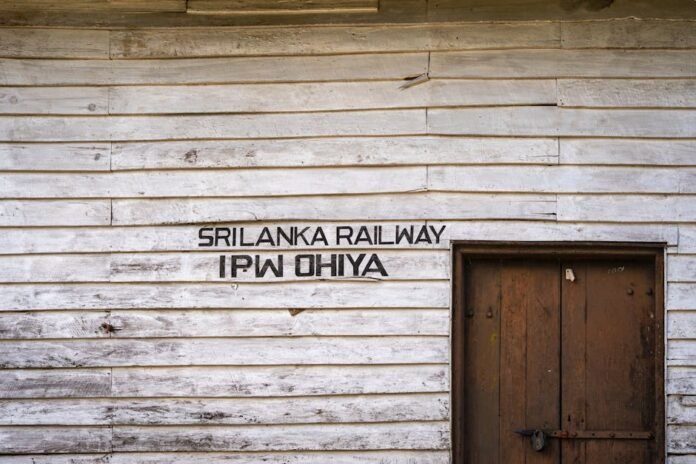
Close-up of weathered wooden wall at IPW Ohiya Sri Lanka railway station.
Photo by Thilina Alagiyawanna on Pexels

Dr. Cyrus Poonawalla, the chairman of the Serum Institute of India, has reportedly acquired a significant painting by the renowned Indian artist Raja Ravi Varma. The artwork, titled ‘Yashoda and Krishna’, was sold at an auction and is expected to be displayed at one of Dr. Poonawalla’s residences in either Mumbai or Pune.

The Chenab Times has learned that the painting fetched a substantial sum at the auction, though the exact figure was not immediately disclosed. This acquisition highlights the enduring value and artistic importance of Raja Ravi Varma’s works, which continue to attract considerable interest from collectors and connoisseurs.

Raja Ravi Varma, active in the late 19th and early 20th centuries, is celebrated for his unique style that blended Indian traditions with European academic art techniques. His depictions of mythological figures and scenes from epics like the Mahabharata and Ramayana are particularly iconic. The painting ‘Yashoda and Krishna’ is a classic example of his artistry, portraying the divine child Krishna with his mother Yashoda in a tender moment.

The auction was reportedly managed by Saffronart, an Indian online auction house specializing in art and collectibles. This sale is part of a broader trend where Indian art, particularly works by masters like Ravi Varma, is achieving significant market recognition both domestically and internationally. The increasing demand for such heritage pieces underscores their cultural significance and investment potential.

Dr. Poonawalla, a prominent industrialist and philanthropist, is known for his extensive art collection. His decision to acquire this particular painting adds to his legacy of supporting and preserving Indian artistic heritage. The choice of location for the painting, between his Mumbai and Pune residences, suggests a personal preference for keeping the artwork accessible within his primary operational bases.

The historical context of Raja Ravi Varma’s art is crucial to understanding its appeal. He was one of the first Indian artists to create oleographs and lithographs, making his artwork accessible to a wider audience beyond the elite patrons. His mythological paintings, often imbued with a sense of grandeur and emotional depth, resonated deeply with the Indian public and continue to do so.

The art market in India has witnessed a surge in recent years, with auctions frequently breaking records for Indian artists. This has led to a renewed appreciation for the country’s rich artistic past. Acquisitions by high-profile collectors like Dr. Poonawalla further validate the market and encourage the preservation of such valuable cultural assets.

The Serum Institute of India, founded by Dr. Poonawalla’s father, Dr. S. G. Poonawalla, has grown into one of the world’s largest vaccine manufacturers. The family’s business acumen extends beyond pharmaceuticals, with significant interests in horse racing and art collecting. This latest acquisition reinforces their position as patrons of art and culture.

While the specific financial details of the ‘Yashoda and Krishna’ acquisition remain private, the significance of the artwork and its acquisition by a figure of Dr. Poonawalla’s stature are noteworthy. The painting is expected to be a valuable addition to his personal collection, potentially contributing to public appreciation if displayed.

The Maharashtra government and various cultural institutions have often emphasized the importance of preserving and promoting India’s artistic heritage. Such acquisitions by private collectors play a vital role in this endeavor, ensuring that masterpieces are not only conserved but also admired by future generations. The presence of such art in prominent residences can also inspire wider public interest in Indian art history.

The ongoing interest in Raja Ravi Varma’s oeuvre reflects a broader national pride in indigenous artistic achievements. His ability to capture the essence of Indian mythology and culture through a distinct visual language has cemented his place as a national treasure. The continued auction success of his works serves as a testament to his enduring legacy.

The details surrounding the sale and the painting’s future display are part of ongoing developments in the art world, reflecting the dynamic intersection of cultural patronage, market trends, and individual passion for art. The acquisition by Dr. Poonawalla adds another chapter to the narrative of Raja Ravi Varma’s celebrated creations.

Iran Responds Defiantly to U.S. Pressure Amid Escalating Tensions

0
Crime News
Image showing a crime scene. (Photo for representation purposes only)

Iranian officials adopted a defiant stance on Tuesday following a series of escalating statements from United States President Donald Trump, signaling a continued hardening of positions amid heightened regional tensions.

The Chenab Times has learned that the remarks from Tehran came after President Trump alluded to potential military action and emphasized the imposition of stringent sanctions against the Islamic Republic, underscoring a period of significant geopolitical friction.

President Trump, speaking from the White House, reiterated his administration’s policy of maximum pressure against Iran, aiming to curb its nuclear program and its influence in the Middle East. His administration has consistently accused Tehran of destabilizing the region through support for various militant groups and its ballistic missile development.

In response, Iran’s Minister of Foreign Affairs, Mohammad Javad Zarif, speaking at a press conference in Tehran, stated that the country would not be intimidated by threats. He characterized the U.S. administration’s rhetoric as unproductive and a departure from diplomatic norms. Zarif asserted that Iran would defend its sovereignty and interests, implying a readiness to counter any aggression.

The current stand-off traces its roots to the Trump administration’s decision in 2018 to withdraw the United States from the Joint Comprehensive Plan of Action (JCPOA), commonly known as the Iran nuclear deal. This multilateral agreement, negotiated under the Obama administration, aimed to limit Iran’s uranium enrichment activities in exchange for sanctions relief. Following the U.S. withdrawal, a range of severe economic sanctions were reimposed on Iran, significantly impacting its economy.

Iranian leadership has consistently maintained that its nuclear program is for peaceful purposes and has accused the United States and its allies of pursuing a policy of regime change. The country has also pointed to the historical context of foreign interventions in the Middle East as a source of instability.

The rhetoric from Washington has often included veiled threats of military intervention, which Iranian officials have repeatedly condemned as unacceptable violations of international law. The Supreme Leader of Iran, Ayatollah Ali Khamenei, has also been a consistent voice against what he terms U.S. hostility and interference in Iran’s internal affairs.

The escalating tensions have raised concerns among international observers and regional powers about the potential for miscalculation and wider conflict. The Strait of Hormuz, a crucial chokepoint for global oil shipments, has been a focal point of concern, with Iran having previously threatened to disrupt shipping in the event of an attack.

The United States has bolstered its military presence in the Persian Gulf region, deploying additional naval assets and troops, a move that Iran views as provocative. Both sides have engaged in a series of actions and counter-actions, including naval incidents and the targeting of oil tankers, which have heightened regional instability.

Despite the bellicose language, diplomatic channels have, at times, remained open, albeit with significant challenges. U.S. officials have stated their willingness to engage in dialogue without preconditions, while Iran has largely insisted on the U.S. rejoining the JCPOA and lifting sanctions as a prerequisite for any meaningful negotiation.

The economic strain on Iran due to the sanctions has been substantial, leading to widespread inflation and shortages of essential goods. This has, in turn, fueled domestic discontent, although the government has sought to maintain control and rally public support against external pressure.

The international community, including European allies who remain signatories to the JCPOA, has urged restraint from both sides. Many nations have expressed a desire to de-escalate the situation and prevent a full-blown conflict that could have devastating consequences for the region and the global economy.

The statements from Iranian officials suggest a resolve to withstand the pressure campaign, highlighting a strategy of resilience and defiance in the face of what they perceive as unjustifiable hostility. This diplomatic posturing is set against a backdrop of intricate regional alliances and historical grievances that continue to shape the dynamics between Iran and the United States.

The future trajectory of U.S.-Iran relations remains uncertain, heavily influenced by the rhetoric and actions of both governments. The international community continues to monitor the situation closely, hoping for a de-escalation that could avert a potentially catastrophic confrontation.

Jammu Kashmir Police Officers Deputed for Hajj Duties in Saudi Arabia

0

SRINAGAR: Four police officers from Jammu and Kashmir have been sanctioned for temporary deputation to the Consulate General of India in Jeddah, Saudi Arabia. Their deployment is designated for roles as Haj Officers and Haj Superintendents for the upcoming Haj 2026 season.

The decision, formalized through Government Order No. 201-Home of 2026, was issued on Thursday. The officers are slated to be relieved from their current duties in Jammu and Kashmir effective April 6, 2026. This deputation follows their selection by the Haj Committee of India, Mumbai, an organization operating under the Ministry of Minority Affairs.

The Chenab Times has learned that the four officers selected for this international duty are Peerzada Aijaz Ahmad, holding the rank of Superintendent of Police (KPS116080); Mohd Muzaffar Jan, also a Superintendent of Police (KPS116076); Shahzada Kabir Matoo, another Superintendent of Police (KPS125843); and Burhan Ul Haq Kanth, a Deputy Superintendent of Police (KPS125693).

The primary objective of this deputation is to enhance the administrative support and management framework for Indian pilgrims undertaking the annual Hajj pilgrimage. By assigning experienced police personnel, the Consulate General aims to ensure a smoother and more effective experience for pilgrims, addressing logistical and administrative needs throughout the Hajj period.

Haj is a significant annual pilgrimage to Mecca, Saudi Arabia, performed by Muslims worldwide. The Indian government, through the Ministry of Minority Affairs and the Haj Committee of India, plays a crucial role in facilitating the travel and stay of Indian pilgrims, ensuring their safety and well-being. This deputation of police officers underscores the commitment to providing dedicated personnel for consular support during this important religious event.

The officers’ assignments will involve liaising with local Saudi authorities, managing accommodation and transportation for Indian pilgrims, and assisting them with any issues that may arise during their stay in Saudi Arabia. Their expertise in law enforcement and administrative procedures is expected to be invaluable in these capacities.

The selection process for these deputations typically involves scrutiny of service records, experience, and suitability for overseas assignments. The officers chosen are expected to represent India and uphold the country’s standards of service while assisting their fellow citizens abroad.

The temporary deputation signifies the collaborative efforts between various government departments and agencies to ensure the successful conduct of the Hajj pilgrimage for Indian nationals. The Home Department of Jammu and Kashmir’s approval facilitates the release of these officers from their local responsibilities to undertake this international service.

Jammu Assembly Rejects Private Member’s Bill for Veterinary University

0
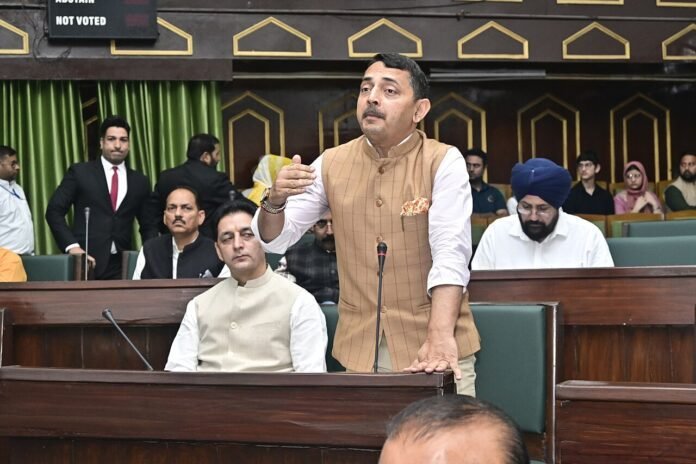
Ranbir Singh Pathania speaking in J&K Legislative Assembly
Ranbir Singh Pathania speaking in J&K Legislative Assembly — Sumbria.vikramaditya / CC0

JAMMU, April 2: The Jammu and Kashmir Legislative Assembly on Thursday rejected a Private Members’ resolution proposing the establishment of a Veterinary and Animal Sciences University in the Jammu region. The resolution was put forth by Bharatiya Janata Party (BJP) Legislator Narinder Singh Raina.

Information was available with The Chenab Times that the resolution, titled “this House urges for the proposal of establishment of a Veterinary and Animal Sciences University in the Jammu region: a strategic imperative for Viksit Bharat @2047,” was formally moved by Raina. The proposal aimed to bolster the veterinary and animal sciences sector within the region, recognizing its importance for national development under the Viksit Bharat @2047 initiative.

Following the tabling of the resolution, Legislators Mir Saifullah of the National Conference and Nizam-ud-Din Bhat of the Congress proposed amendments to the motion. However, these proposed amendments, along with the original resolution, were subsequently disallowed by the Assembly through a voice vote. The legislative process concluded with the rejection of the proposal for the new university.

The push for establishing a dedicated Veterinary and Animal Sciences University in Jammu comes amid ongoing efforts to enhance agricultural productivity and animal husbandry practices across the Union Territory. Such institutions are crucial for advancing research, providing specialized education, and developing skilled professionals to support the livestock sector, which plays a significant role in the local economy and rural livelihoods.

The rejection of the Private Members’ resolution means that the immediate legislative push for the establishment of this specific university in Jammu has stalled. Further proposals or government initiatives would be required to revive the concept of a new veterinary university in the region. The Assembly’s decision underscores the complexities of legislative processes, where private member bills must garner sufficient support to be adopted and moved forward.

The proposed university was envisioned to address the growing need for advanced veterinary care, disease control, and scientific research in animal sciences, contributing to food security and economic growth. The strategic imperative cited in the resolution highlighted the potential of such an institution to align with national development goals. The legislative proceedings reflected the typical dynamics of parliamentary debate, where proposals are introduced, debated, potentially amended, and ultimately voted upon by members.

Jammu and Kashmir: Anantnag Court Orders Salary Withholding of Officials Over Unimplemented Decree

0
court legal news

SRINAGAR: A court in Anantnag district of Jammu and Kashmir has ordered the withholding of salaries for several government officials, including the Chief Secretary to the Government of Jammu and Kashmir, for failing to implement a court decree. The order highlights a prolonged period of inaction despite repeated directives, underscoring judicial concern over the execution of court orders.

The Additional District Judge Anantnag, Masrat Roohi, issued the coercive measures while hearing an execution petition. The court noted that the decree, which attained finality in 2018, remained unimplemented since execution proceedings began in 2019. According to details received by The Chenab Times, the court observed that the continued delay reflects a failure on the part of the concerned authorities to take concrete steps towards compliance, which it stated undermines the justice delivery system.

The case is significant as it brings to light the judiciary’s concern regarding delays in the execution of court orders, particularly when public authorities are involved. Such delays can deprive litigants of the timely relief they are entitled to by law.

In its directive, the court ordered treasury officers to withhold the salaries of the judgment debtors. These officials include the Chief Secretary to the Government of Jammu and Kashmir, the Chief Medical Officer of Anantnag, the Block Development Officer of Sallar, and the Executive Engineer of the Roads and Buildings Division in Khanabal. The salary withholding is to continue until full compliance with the decree is achieved.

Furthermore, the court impleaded senior officials from various departments to ensure accountability. These include the Commissioner Secretary of the Health Department, the Director of Health Services Kashmir, the Rural Development Department, and the Roads and Buildings Department. Show-cause notices have been issued to these newly added officials, requiring them to provide explanations for the non-compliance with the court’s orders.

The matter has been scheduled for April 24, 2026, for further monitoring of the execution process by the court. The court referenced recent directions from the Supreme Court of India, which emphasize time-bound execution of decrees, ideally within six months. The apex court has stressed that executing courts must ensure effective enforcement without incurring unnecessary delays.

India Weighs Further Support for Exporters Amidst West Asia Crisis

0
A vibrant collection of stacked shipping containers under a clear, blue sky. Ideal for logistic themes.
Photo by Jan van der Wolf on Pexels

New Delhi: The Indian government is considering additional measures to assist exporters grappling with the economic fallout of the ongoing West Asia crisis, Union Commerce and Industry Minister Piyush Goyal announced. These potential new decisions follow the government’s earlier introduction of a relief package aimed at mitigating the impact of disruptions in international trade routes.

Information was available with The Chenab Times that the minister stated on Thursday that while some measures have already been implemented, further considerations are underway at various administrative and inter-ministerial levels to provide sustained support to the export sector. The crisis in West Asia, exacerbated by recent military actions, has led to increased shipping and air freight costs, along with higher insurance premiums, directly affecting the profitability and operational capacity of Indian exporters.

Earlier last month, the government unveiled the Rs 497 crore RELIEF (Resilience & Logistics Intervention for Export Facilitation) scheme. This initiative is designed to provide immediate succour to exporters facing significant challenges due to the conflict in the West Asia region. The scheme is a part of the broader strategy to ensure the stability and growth of India’s export capabilities in a volatile global environment.

Speaking on the sidelines of a World Trade Organization (WTO) meeting in Cameroon, Minister Goyal noted that trade ministers from various nations shared concerns about the global economic repercussions of the conflict. He highlighted that the hostilities have adversely impacted the global economy and international trade, with particular emphasis on the loss of life and property. The minister expressed a collective hope for a swift resolution to the difficulties hindering the free movement of goods across international waters.

Despite these global challenges, Goyal affirmed India’s robust position in food and energy security, stating that the country has largely remained insulated from the most severe impacts. He assured that domestic supply chains for essential commodities like LPG and industrial LNG are functioning efficiently, with many sectors receiving full supplies. The minister also confirmed that refineries are operating at full capacity, sufficient crude oil stocks are maintained, and new shipments are arriving to secure future energy needs.

Official data indicated that India’s merchandise exports experienced a marginal decline of 0.81 percent year-on-year in February, reaching USD 36.61 billion. Concurrently, the trade deficit narrowed to USD 27.1 billion compared to the preceding month. As of March 21, the overall export growth for the current fiscal year remained flat, with complete data for March expected to be released on April 15.