Home Blog Page 7

Pimpri-Chinchwad Municipal Corporation Collects Over Rs 961 Crore in Property Tax

0
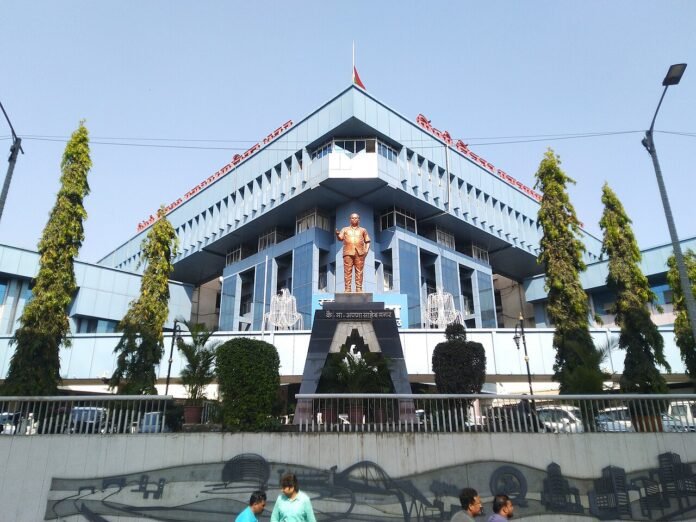
Closeup of Pimpri-Chinchwad Municipal Corporation from the nearby road with the statue of Annasaheb Magar
Closeup of Pimpri-Chinchwad Municipal Corporation from the nearby road with the statue of Annasaheb… — DesiBoy101 / CC BY 4.0

The Pimpri-Chinchwad Municipal Corporation (PCMC) has achieved a significant milestone by collecting property tax revenue amounting to Rs 961 crore for the financial year 2025-26. This collection represents a substantial portion of the total demand, underscoring the civic body’s financial management and the taxpayers’ compliance.

Information was available with The Chenab Times indicating that the municipal corporation has exceeded its targets for property tax collection, a crucial source of income that funds various civic amenities and infrastructure development projects within the Pimpri-Chinchwad area. The impressive collection figure is a testament to the effective administrative measures put in place by the PCMC to streamline the tax collection process and encourage timely payments from property owners.

The property tax collected by municipal corporations across India serves as a vital revenue stream, enabling local governance bodies to undertake essential services such as road maintenance, sanitation, water supply, street lighting, and the development of public parks and healthcare facilities. In the context of Pimpri-Chinchwad, a rapidly urbanizing and industrial hub in Maharashtra, these funds are critical for sustaining and improving the quality of life for its growing population.

Officials within the Pimpri-Chinchwad Municipal Corporation have reportedly attributed the success to a combination of factors, including enhanced use of digital platforms for tax payments, increased public awareness campaigns about the importance of property tax, and stricter enforcement measures against tax defaulters. The corporation has been actively promoting online payment options, making it more convenient for citizens to fulfill their tax obligations from anywhere, at any time. This digital push has been instrumental in improving collection efficiency and reducing the administrative burden associated with manual processing.

Furthermore, the corporation’s property tax department has been proactive in identifying properties that were previously unregistered or whose tax assessments might have been inaccurate. Through regular surveys and audits, they have worked to ensure that all taxable properties are accounted for and are contributing their fair share. This meticulous approach to assessment and collection has helped to widen the tax base and improve the overall revenue generated.

The financial year 2025-26 has seen a concerted effort by the PCMC administration to maximize its revenue collection, recognizing the increasing demands on civic services due to population growth and infrastructural expansion. The collected amount of Rs 961 crore not only reflects the financial health of the corporation but also its capacity to invest in future development projects. These funds are expected to be channeled into various ongoing and planned initiatives aimed at improving the urban infrastructure and public services in Pimpri-Chinchwad.

The property tax system in India is governed by the respective state municipal acts, which empower local bodies to levy and collect taxes on land and buildings. The rates and regulations vary from one municipality to another, based on factors such as property type, location, and usage. The Pimpri-Chinchwad Municipal Corporation operates under the Maharashtra Municipal Corporation Act, which outlines the framework for its financial administration, including property tax collection.

The consistent increase in property tax revenue over the years is often seen as an indicator of robust urban economic activity and effective municipal governance. For Pimpri-Chinchwad, this achievement signals a positive trajectory in its development and its ability to finance its ambitious urban planning goals. The corporation’s commitment to efficient revenue collection is paramount in ensuring that it can meet the evolving needs of its citizens and maintain its status as a well-administered municipal entity.

Looking ahead, the Pimpri-Chinchwad Municipal Corporation is expected to continue its focus on optimizing tax collection mechanisms, leveraging technology, and engaging with taxpayers to ensure sustained financial growth. The success in the financial year 2025-26 sets a strong precedent for future revenue generation, enabling the corporation to pursue a more ambitious agenda for urban development and service delivery.

No Shortage of LPG, Petrol or Diesel in Jammu and Kashmir’s Kishtwar District; Public Urged Not to Panic: Admin

0

Kishtwar, April 4: There is no shortages of LPG, petrol or diesel in Kishtwar district of Jammu and Kashmir, and adequate stocks are available to meet public demand, officials have said.

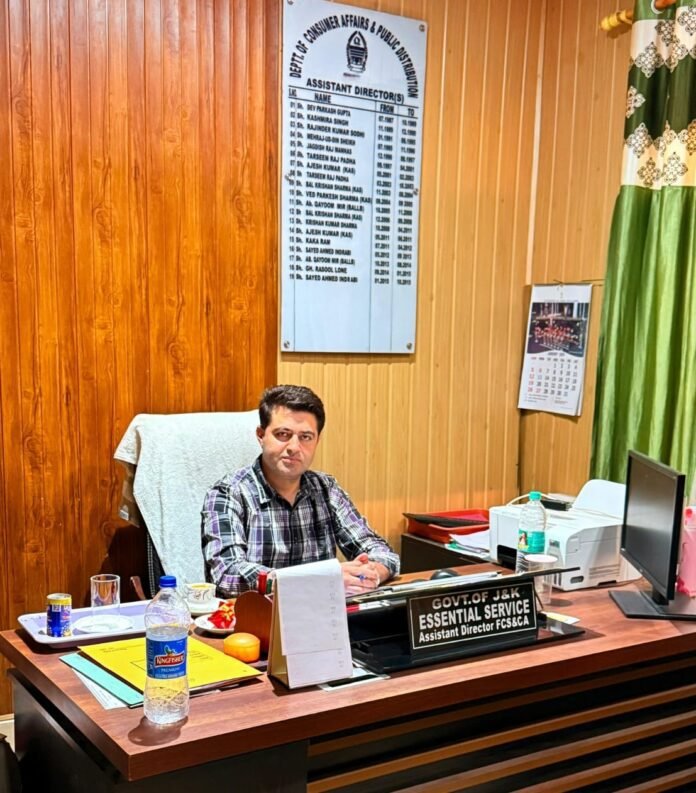
Information was available with The Chenab Times that under the directions of Deputy Commissioner Kishtwar, Pankaj Kumar Sharma (JKAS), the Assistant Director, Food, Civil Supplies and Consumer Affairs, Shafqat Ali Keen (JKAS), has issued a public advisory reassuring residents about the stable supply position of essential fuel commodities.

According to the advisory, LPG stocks in the district are more than the routine daily requirement, while supplies of petrol and diesel are also sufficient. The administration has appealed to citizens not to panic or engage in unnecessary stocking of these commodities.

The department has introduced reforms in the LPG distribution system aimed at improving transparency and efficiency. Consumers are now required to complete e-KYC verification, make online bookings for refills, and use OTP-based authentication for delivery. Options for online payment and home delivery have also been made available.

Officials have advised all consumers to ensure their mobile numbers are correctly linked and updated with their LPG connections to prevent any inconvenience during booking or delivery.

A dedicated control room has been set up to address grievances related to LPG services, including issues concerning e-KYC, booking and delivery. Officials are available round the clock, and citizens have been asked to use the circulated helpline numbers for prompt assistance.

The department is conducting daily inspections to monitor the supply position and prevent any malpractices. The public has been requested to report instances of hoarding or black marketing immediately, so that strict legal action, including imposition of fines and registration of FIRs, can be taken against violators.

Kishtwar is a district in the Chenab Valley region of Jammu and Kashmir, located in the northern part of India. The district administration’s reassurance comes amid occasional rumours about fuel availability that have surfaced in parts of the Union Territory in recent weeks.

The overall supply position in Kishtwar remains stable and well under control, officials emphasised. Cooperation from the public has been sought in maintaining order and avoiding the spread of unverified information.

Mumbai BMC to Prioritise Low-Lying Embankments in Mithi River Desilting to Mitigate Flood Risk

0
Stunning Gothic architecture of BMC headquarters in Mumbai, India.
Photo by Anamitra Dasgupta on Pexels

Mumbai: The Brihanmumbai Municipal Corporation (BMC) has announced a strategic shift in its Mithi River desilting operations, with a primary focus on strengthening low-lying embankments to enhance the city’s resilience against monsoon flooding. This intensified effort comes ahead of the annual monsoon season, which historically brings significant waterlogging and disruption to various parts of the metropolis.

Information was available with The Chenab Times indicating that the decision to concentrate on embankment reinforcement stems from lessons learned in previous flood events, where breaches and overflows from the river’s periphery exacerbated inundation in surrounding areas. The civic body aims to improve the river’s carrying capacity and prevent water from spilling over into residential and commercial zones.

The Mithi River, which flows through a significant portion of Mumbai, is prone to extensive silting and encroachment, reducing its depth and flow. During heavy rainfall, the accumulated silt and debris further obstruct the watercourse, leading to overflowing banks and widespread flooding, particularly in low-lying areas such as Kurla, Kalina, and Santacruz.

Under the new directive, specialized teams will be deployed to clear silt and debris from the riverbed, with a particular emphasis on fortifying the embankment walls. These reinforcements are expected to include measures such as increasing the height of existing walls, repairing damaged sections, and potentially constructing new barriers in vulnerable stretches. The BMC is also considering the use of advanced engineering techniques to ensure the durability and effectiveness of these measures.

The Mithi River originates in the suburbs of Borivali and Powai and passes through several densely populated areas before draining into the Arabian Sea at the Mahim Creek. Its course is intertwined with the city’s urban fabric, and any disruption to its natural flow can have severe consequences.

Environmentalists and urban planners have long called for comprehensive management of the Mithi River, highlighting the need for sustained desilting, removal of encroachments, and proper waste management to protect the river ecosystem and the surrounding urban environment. The BMC’s renewed focus on embankment stability is seen as a critical component of a larger strategy to manage the river’s flow effectively.

The desilting process itself involves the removal of accumulated sediment, sludge, and solid waste that reduce the river’s cross-sectional area. This accumulated material is then transported and disposed of responsibly. Alongside desilting, the corporation also plans to address unauthorised structures and waste dumping along the riverbanks, which are significant contributors to the silting problem and flood vulnerability.

Officials have stated that the corporation plans to expedite the tendering process for these works to ensure that the crucial desilting and embankment strengthening activities are completed well before the onset of the monsoon, typically expected in early June. The success of these measures will be crucial in determining Mumbai’s preparedness for potential waterlogging and flooding incidents in the coming months.

The corporation anticipates that these targeted interventions will not only reduce the immediate risk of flooding but also contribute to the long-term ecological health of the Mithi River, thereby improving the quality of life for residents in the affected areas. Public awareness campaigns regarding responsible waste disposal are also expected to be intensified to complement the infrastructure development efforts.

Punjab CM Bhagwant Mann Targets Opposition, Highlights Government Achievements in Moga Rally

0
Aam Aadmi Party Logo
Aam Aadmi Party Logo — Aapkerala / CC0

MOGA, PUNJAB — Punjab Chief Minister Bhagwant Mann on Saturday addressed a large rally in Moga, employing a blend of humour, satire, and pointed political critique to galvanize support for the Aam Aadmi Party (AAP) ahead of the 2027 elections. During his address, Mann highlighted his administration’s key achievements and unveiled new initiatives, while simultaneously launching sharp attacks on opposition parties, including the Congress, Bharatiya Janata Party, and Shiromani Akali Dal.

Information was available with The Chenab Times that the Chief Minister’s address was marked by a distinct satirical tone, as he directed his criticism towards the leadership of rival parties. Mann specifically mocked their perceived disconnection from the everyday realities faced by the state’s populace. In a notable quip, he suggested that leaders accustomed to the comforts of wearing “overcoats or tight pyjamas” could not possibly comprehend the hardships faced by farmers tending to their crops late into the night.

Addressing the ongoing strike by commission agents, known as arhtiyas, Mann assured attendees that the state government was committed to ensuring the smooth procurement of wheat and safeguarding the interests of farmers. He announced that arhtiyas who chose not to participate in the strike would be accorded preferential treatment in the allotment of paddy during the upcoming kharif season. Furthermore, the Chief Minister stated that cooperative societies have been designated to step in and manage wheat procurement wherever necessary. “Every grain will be properly procured and lifted,” Mann asserted, urging commission agents to refrain from exacerbating tensions, particularly amidst the current challenging weather conditions affecting agricultural operations.

In a significant policy announcement aimed at alleviating long-standing disputes among agricultural landowners, Mann revealed the upcoming launch of a new scheme, effective April 13. This initiative is designed to facilitate the division (taksim) of agricultural land within a streamlined 30-day period following an application. Projecting effective governance as a central theme for his party’s campaign in 2027, Chief Minister Mann enumerated several major accomplishments of his government. These included the provision of free electricity to over 90 percent of households, the creation of approximately 65,000 jobs, the carpeting of 43,000 kilometers of roads, and the assurance of 8 hours of power supply for agricultural needs, including daytime access.

The Chief Minister also emphasized a notable shift towards canal irrigation, reporting an increase in its usage from 22 percent to 78 percent, with a stated target of reaching 90 percent in the forthcoming kharif season. To mitigate crop fires, which are often attributed to sparking from electricity poles in agricultural fields, the government is actively promoting underground electricity wiring. Citing an example from his own village, Mann mentioned that over 1,100 electricity poles situated within agricultural fields are being replaced with underground fiber wiring, a measure intended for statewide expansion.

Mann characterized education as the “panacea for all ills” and outlined the government’s ongoing efforts to strengthen the school system to enhance educational opportunities for children across Punjab. In a move designed to ease access to government schemes for labourers, particularly those whose fingerprints may fade due to manual work, the requirement for biometric fingerprint authentication is being removed.

The rally featured Mann at his most satirical best, as he directed barbs at national leaders of the Congress party, questioning their familiarity with local issues and leadership. He also accused opposition parties of forming alliances solely for the purpose of targeting the AAP. The Chief Minister further highlighted various welfare initiatives, including a health insurance coverage of Rs 10 lakh extended to 32 lakh families, and pointed to the establishment of Mohalla Clinics and the removal of toll plazas as key achievements of his administration.

Manish Sisodia, former Deputy Chief Minister of Delhi, also addressed the gathering. He interpreted the substantial turnout in Moga, a region considered central to Punjab’s political landscape, as a clear indicator that the Aam Aadmi Party was poised to secure a decisive victory in the 2027 elections.

Ludhiana Administration Eases LPG Cylinder Access for Migrant Workers

0
Sebaran pekerja migran Indonesia di seluruh dunia. Per akhir tahun 2022
Sebaran pekerja migran Indonesia di seluruh dunia. Per akhir tahun 2022 — RaFaDa20631 with Datawrapper.de / CC BY-SA 4.0

The district administration in Ludhiana has initiated a relief drive to address concerns surrounding liquefied petroleum gas (LPG) shortages, particularly for migrant workers who may be returning to their home villages. The measure aims to ensure these individuals can access essential cooking fuel with greater ease.

Information was available with The Chenab Times that a dedicated control room has been established at the GLADA Office Committee Room. This facility is operational daily between 9 a.m. and 5:30 p.m. Individuals seeking assistance or information can reach out to the control room via the helpline number 9915155072.

The control room is actively collaborating with various gas agencies and oil marketing companies to maintain adequate supply levels across the district. Food Supply Inspectors are actively monitoring the operations of these agencies to preempt and address any potential shortages.

In addition to addressing immediate supply concerns, the administration has also implemented a system to oversee the allocation of LPG for commercial and industrial consumers. A key aspect of this new initiative is enabling migrant workers to procure 2 kg and 5 kg LPG cylinders under the Free Trade LPG scheme, provided they possess valid identification.

Officials are conducting regular inspections to ensure that all participating gas agencies and consumers are adhering to the established guidelines. For non-domestic consumers, the submission of end-use certificates is now a mandatory requirement to prevent the diversion or misuse of LPG cylinders intended for specific purposes.

Deputy Commissioner Himanshu Jain has issued a stern warning that failure to comply with these regulations will result in stringent action. Such non-compliance will be dealt with under the provisions of the Essential Commodities Act, highlighting the administration’s commitment to ensuring fair distribution and availability of essential fuels.

The introduction of the 2 kg and 5 kg cylinders is particularly aimed at providing a more accessible and affordable option for individuals with lower consumption needs, including the large migrant worker population that contributes significantly to the local economy. This initiative is expected to alleviate the pressure on households and small businesses that rely heavily on LPG for their daily operations.

The district administration’s proactive approach in setting up the control room and helpline demonstrates a responsive governance model designed to tackle emerging challenges. By working in tandem with oil companies and local authorities, the aim is to create a robust supply chain that is resilient to fluctuations and meets the diverse needs of the populace.

The monitoring by Food Supply Inspectors is crucial in maintaining transparency and accountability within the LPG distribution network. Their role involves ensuring that cylinders reach their intended recipients without undue delay or unofficial premiums, thereby upholding the integrity of the public distribution system.

For commercial and industrial users, the requirement of end-use certificates serves as a vital control mechanism. It ensures that LPG intended for specific industrial processes or commercial establishments is not diverted for domestic use, thereby preventing artificial scarcity and maintaining the intended flow of essential resources for economic activities.

The Deputy Commissioner’s emphasis on strict action under the Essential Commodities Act underscores the seriousness with which the administration views adherence to regulations. This legal framework provides the necessary authority to penalize offenders and deter any attempts to exploit the current situation for personal gain, reinforcing the administration’s commitment to public welfare.

Ludhiana Administration Eases LPG Access for Migrant Workers Amidst Shortage Concerns

0
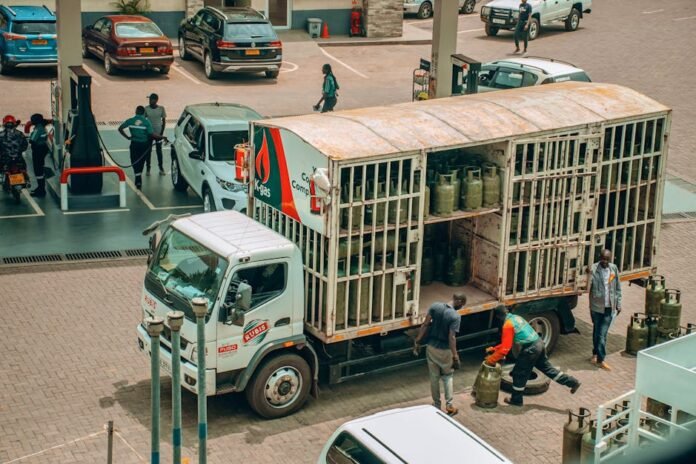
An LPG gas truck making a delivery at a busy urban station.
Photo by shutter click on Pexels

In response to the challenges faced by migrant workers returning to their native places due to LPG shortages, the Ludhiana district administration has initiated a relief drive aimed at mitigating the crisis.

Information was available with The Chenab Times that a dedicated control room has been established at the GLADA Office Committee Room. This facility is operational from 9 am to 5:30 pm daily and can be reached at 9915155072 for individuals seeking assistance or information regarding LPG availability.

The control room is actively collaborating with gas agencies and oil marketing companies to ensure that adequate stock levels of Liquefied Petroleum Gas (LPG) are maintained across the district. Food Supply Inspectors have been assigned the crucial task of closely monitoring the operations of these agencies to proactively prevent any potential shortages from developing.

Furthermore, the administration has implemented a comprehensive oversight mechanism designed to regulate the allocation of LPG for both commercial and industrial consumers. Under this initiative, migrant workers are now eligible to procure 2 kg and 5 kg LPG cylinders through the Free Trade LPG scheme, provided they present a valid identification document.

Officials are conducting rigorous inspections to guarantee adherence to the new guidelines and to ensure that all stakeholders are complying with the prescribed procedures. For non-domestic consumers, the submission of end-use certificates has been mandated to prevent any misuse of LPG supplies.

Deputy Commissioner Himanshu Jain issued a stern warning, emphasizing that any instance of non-compliance with these directives will result in stringent action being taken under the provisions of the Essential Commodities Act. This measure underscores the administration’s commitment to ensuring equitable distribution and availability of essential fuel resources for all residents.

Delhi Government Unveils Comprehensive Policy for Drone Technology, Smart Governance, and Disaster Response

0
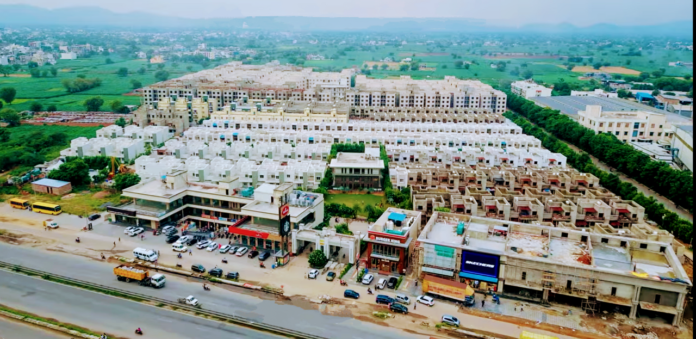
Behror Upvan city drone view
Behror Upvan city drone view — Bh vny imagia / CC BY-SA 4.0

The Delhi government has announced a new policy aimed at integrating drone technology across various sectors, enhancing smart governance initiatives, and strengthening disaster response capabilities within the National Capital Region.

The Chenab Times has learned that the policy outlines the creation of dedicated drone clusters, which are expected to foster innovation and facilitate the use of unmanned aerial vehicles (UAVs) for a wide array of public services. This strategic move signals a significant push towards leveraging advanced technology to improve efficiency and effectiveness in governance and emergency management.

Central to the new policy is the development of specialized zones for drone operations. These clusters will serve as hubs for research, development, testing, and deployment of drone technologies. The government anticipates that these clusters will attract investment, encourage collaboration between technology firms and government agencies, and create a robust ecosystem for drone innovation. Potential applications discussed include aerial surveillance for security, traffic management, infrastructure inspection, and environmental monitoring.

The policy also places a strong emphasis on integrating smart governance principles. This involves utilizing technology to make government services more accessible, transparent, and efficient for citizens. Initiatives under this umbrella are expected to streamline administrative processes, improve data management, and enable better decision-making through real-time information. The integration of drones is seen as a key component in achieving these smart governance goals, offering novel ways to collect data and monitor urban development.

Furthermore, the new framework significantly bolsters the city’s disaster response mechanisms. Drones are slated to play a crucial role in reconnaissance, search and rescue operations, and damage assessment during natural calamities and other emergencies. Their ability to navigate difficult terrain and provide aerial views quickly will be invaluable in coordinating relief efforts and ensuring the safety of residents. The policy envisions the deployment of drones equipped with advanced sensors and communication systems to aid emergency responders.

Officials have indicated that the policy is designed to be adaptive, allowing for the integration of future technological advancements. The government plans to collaborate with academic institutions, private sector companies, and international experts to ensure that Delhi remains at the forefront of technological adoption in governance and public safety. Regulatory frameworks and safety guidelines will be developed concurrently to ensure responsible and secure use of drone technology.

The implementation of this policy is expected to create new employment opportunities in the technology and services sectors, contributing to the economic growth of the region. The Delhi government has committed to a phased rollout, with pilot projects planned to test various applications of drone technology before widespread implementation. Public awareness and training programs are also being considered to ensure that citizens and relevant stakeholders are well-informed about the capabilities and uses of drones.

The policy aims to position Delhi as a leader in technological governance, showcasing how advanced tools like drones can be effectively deployed to address complex urban challenges. The focus on smart governance and disaster response underscores the government’s commitment to improving the quality of life for its citizens through innovation and strategic planning.

Nine, Including Six Children, Die in Nashik Well Tragedy

0
Accident news
Image showing accident scene. (For representation purposes only)

A devastating incident occurred in Nashik, Maharashtra, where a vehicle carrying nine individuals, including six children, plunged into a well, resulting in the tragic loss of all lives.

The Chenab Times has learned that the vehicle, reportedly carrying a family and their relatives, was traveling late on Wednesday night when the driver lost control. The car then veered off the road and fell into a deep agricultural well near Dindori in Nashik district.

Local authorities and emergency services were alerted to the accident and immediately launched rescue operations. Firefighters and police personnel worked through the night to retrieve the bodies from the well. The depth of the well and the submerged state of the vehicle complicated the rescue efforts.

The victims have been identified as residents of the Nashik district. Initial reports suggest the family was returning from a visit or gathering when the accident took place. The exact cause of the driver losing control is still under investigation, but preliminary assessments indicate potential factors such as fatigue, a sudden mechanical failure, or poor visibility on the rural road.

District authorities have announced that a thorough investigation into the incident will be conducted to ascertain the precise circumstances leading to the tragedy. Compensation and support for the bereaved families are being arranged by the state government. The collective loss of nine lives, especially six young children, has sent shockwaves through the local community and beyond, prompting calls for stricter road safety measures and better maintenance of rural infrastructure, including agricultural wells.

In the aftermath of the incident, local hospitals were put on alert to receive any potential survivors, although no survivors were found. The focus of the authorities has shifted to the post-mortem examinations and the formal identification of all victims before handing over the bodies to their families for the final rites. The tragedy underscores the inherent dangers associated with rural roads and the need for constant vigilance from drivers, particularly during night travel.

The incident also highlights the critical importance of safety measures around open wells, which are common in agricultural areas across India. Many wells lack adequate fencing or warning signs, posing a significant risk to both humans and animals. Community leaders and concerned citizens have voiced their concerns about the lack of safety protocols surrounding such water bodies and have urged the government to implement immediate measures to prevent similar incidents in the future. The state administration has pledged to review and strengthen safety regulations for agricultural wells in rural areas.

The investigation is expected to examine the condition of the vehicle, the driver’s license and physical state, and the road and weather conditions at the time of the accident. Police are appealing to any witnesses who may have seen the vehicle prior to the incident to come forward and provide information that could aid the investigation. The recovery of the vehicle from the well is also a complex operation, requiring specialized equipment and careful execution to avoid further accidents or damage.

The loss has deeply saddened the region, with condolences pouring in from various political leaders and social organizations. The incident serves as a grim reminder of the fragility of life and the devastating impact that road accidents can have on families and communities. Authorities are emphasizing the need for greater awareness regarding road safety, responsible driving practices, and the importance of maintaining vehicles in good condition. Furthermore, the safety surrounding water bodies in agricultural zones will be a key point of review in the coming weeks.

Pune Rail Division Reports 3.7% Revenue Growth and 6.3% Passenger Increase in FY26

0
Monogram of Diesel loco shed, Pune
Monogram of Diesel loco shed, Pune — ADMEDPA / CC BY-SA 4.0

The Pune railway division has announced a financial year ending March 2026 marked by significant growth, registering a 3.7 per cent increase in revenue and a 6.3 per cent rise in passenger numbers. This performance indicates a positive trend in both operational efficiency and passenger traffic for the division.

Information was available with The Chenab Times detailing the fiscal achievements of the Pune railway division. The division’s financial year, which concluded on March 31, 2026, saw its total revenue climb by 3.7 per cent. Concurrently, the number of passengers utilizing the division’s services grew by 6.3 per cent, reflecting an increased demand for rail travel within its jurisdiction.

The rise in revenue can be attributed to a combination of factors, including increased passenger volume, freight operations, and potentially other ancillary services offered by the division. The substantial jump in passenger numbers suggests a growing preference for rail as a mode of transport among commuters and travellers in the region served by the Pune division. This surge in passenger footfall is a key indicator of the division’s operational success and its appeal to the travelling public.

While the specific breakdown of revenue sources was not detailed, railway revenue typically comprises passenger fares, freight charges, and earnings from ticket-checking, parcel services, advertising, and other commercial activities. The growth observed in FY26 is a positive sign for the division, especially when viewed against the backdrop of evolving transportation landscapes and economic conditions.

The operational performance of the Pune railway division is crucial as it serves a densely populated and industrially significant region of Maharashtra. This includes major urban centres and important economic hubs that rely heavily on efficient rail connectivity for both passenger movement and the transportation of goods. The increase in passenger numbers suggests that the division is effectively meeting the mobility needs of its populace.

The sustained growth in passenger numbers also points towards the potential effectiveness of various initiatives undertaken by Indian Railways, such as service enhancements, introduction of new trains, or improved punctuality and safety measures. These factors collectively contribute to making train travel a more attractive option for the public. The division’s performance is a reflection of the broader efforts by Indian Railways to modernise and expand its network while enhancing passenger experience and financial sustainability.

The Indian Railways, as a whole, operates one of the world’s largest railway networks and plays a pivotal role in the nation’s socio-economic fabric. Each division contributes to this vast network through its specific operational and financial targets. The Pune division’s achievements in revenue generation and passenger growth are therefore noteworthy within this larger context.

Further analysis of the division’s performance might reveal specific segments that contributed most significantly to the revenue growth. This could include the performance of suburban services, long-distance passenger trains, or any specific freight corridors that have seen increased activity. Understanding these contributing factors can provide insights into strategic planning for future development and investment within the division.

The consistent rise in passenger numbers is a testament to the division’s efforts in managing its services and catering to a growing demand. It also highlights the importance of rail transport in India’s mobility ecosystem. As the division looks towards the future, maintaining this growth trajectory will likely involve continued focus on infrastructure development, service quality, and operational efficiency to meet the increasing expectations of passengers and freight customers alike.

The reporting of these figures for the fiscal year 2025-26 underscores a period of positive momentum for the Pune railway division. The administration will be looking to build on this success in the upcoming fiscal year, aiming to further enhance its financial standing and passenger service offerings. The railway sector remains a critical component of India’s infrastructure, and the performance of its individual divisions provides valuable indicators of its overall health and progress.

Pune School Bus Accident: Five Students Injured After Bus Hits Electricity Pole in Hadapsar

0
Accident news
Image showing accident scene. (For representation purposes only)

A speeding school bus collided with an electricity pole in the Hadapsar area of Pune on Monday morning, resulting in injuries to five students. The incident occurred around 8:15 AM, causing panic among students and local residents. The driver of the bus has been booked by the police following the accident.

Information was available with The Chenab Times indicating that the bus belonged to Vibgyor School and was en route to pick up students when the accident took place. Preliminary investigations suggest that the driver was operating the bus at a high speed, leading to the loss of control. The impact of the collision with the pole caused damage to the front of the bus.

According to eyewitness accounts and preliminary police reports, the bus was travelling down a road in Hadapsar when the driver apparently lost control of the vehicle. The bus then veered off its path and struck a stationary electricity pole. The force of the collision caused the pole to tilt and wires to hang precariously, prompting immediate concern for public safety.

Emergency services were quickly alerted. Local police and medical personnel arrived at the scene shortly after the incident. The injured students were provided with immediate first aid and then transported to a nearby hospital for further medical examination and treatment. Authorities have stated that the injuries sustained by the students are not life-threatening, with most being minor cuts and bruises.

The driver of the school bus, identified by the police, is facing charges related to rash and negligent driving. A case has been registered against him, and the police are conducting a thorough investigation into the circumstances that led to the accident. This includes examining the bus for any mechanical faults, reviewing the driver’s record, and gathering statements from witnesses and the students who were on board.

The incident has brought renewed attention to the safety protocols followed by school transportation services in the city. Parents have expressed concerns about the speed at which school buses are often driven, particularly during peak hours. The police have assured the public that they will take stringent action against drivers found to be violating traffic rules and endangering the lives of students.

Local authorities are expected to review the existing regulations and enforcement mechanisms for school buses to prevent future occurrences. This may involve increased surveillance of school bus routes, regular fitness checks for vehicles, and refresher training for drivers on safe driving practices. The incident serves as a stark reminder of the responsibilities that school administrations and transport providers have towards ensuring the safety of young learners.

The electricity department was also informed about the damaged pole, and teams were dispatched to assess the situation and carry out necessary repairs to prevent any further hazards. The area around the accident site experienced minor traffic disruptions for a brief period as authorities managed the scene and attended to the injured.