Home Blog Page 8

Jammu and Kashmir Government Discloses Rs 21.64 Crore Land Acquisition for SKUAST-Jammu, Affecting 274 Owners

0

The Jammu and Kashmir Government has revealed that a total of 3,594 kanals of land were acquired at a cost of Rs 21.64 crore for the establishment of Sher-e-Kashmir University of Agricultural Sciences and Technology (SKUAST), Jammu, a process that impacted 274 landowners. The government also clarified that the university itself does not play a direct role in compensation disbursement or in providing mandatory employment to families affected by land acquisition.

Information was available with The Chenab Times that these details were presented in response to a Starred Assembly Question submitted by MLA Narinder Singh Raina. The official response detailed that the land for SKUAST-Jammu, situated at Chatha, was procured in 2001 across several villages, including Rakh Chatha, Gurjran, and Shahzadpur. The total area acquired was measured at 3,594 kanals and 9 marlas.

The government stated that the total compensation of Rs 21.64 crore was distributed among various categories. This included Rs 10.37 crore for private land, Rs 3.99 crore for state land, and Rs 7.28 crore for custodian land. The entire acquisition procedure, from identifying beneficiaries to disbursing compensation, was managed by the Revenue Department, operating through the Collector Land Acquisition.

Of the total land acquired, 739 kanals and 13 marlas were categorized as custodian land, with the remainder consisting of private and state land holdings. In a significant disclosure, the government further indicated that SKUAST-Jammu currently possesses only 291 kanals and 5 marlas, a considerably smaller portion than the total land initially acquired for the university’s campus development.

Addressing concerns raised about families losing their land and means of livelihood due to the acquisition, the government acknowledged the adverse impact on these families. However, it reiterated that SKUAST-Jammu was not directly involved in the land acquisition or compensation processes. These crucial aspects were handled exclusively by the Revenue Department, ensuring that the university focused on its academic and research mandates.

Regarding the issue of employment for those affected, the government stated that while some local individuals might have been engaged by the university through outsourcing or on a need-based employment model, there is no formal policy that mandates linking land acquisition to employment or the regularization of such workers. This contrasts with reported regularisations of similar workers at SKUAST-Kashmir.

The official reply stated that the university procures manpower through outsourcing mechanisms based on its requirements. It explicitly mentioned that there is no provision for direct employment or regularization that is tied to land acquisition processes. The government did not detail any specific rehabilitation or livelihood support policies exclusively designed for the displaced families. Instead, it reiterated that compensation was disbursed strictly in accordance with the legal provisions that were in effect at the time of the land acquisition.

SKUAST-Jammu, which was established in 1999, stands as a prominent agricultural institution within the region. This recent disclosure is expected to reignite discussions surrounding land acquisition practices, the adequacy of compensation provided, and the necessity for robust long-term livelihood support mechanisms for families displaced by such development projects.

Trump Pursues Deportation Deals Abroad, Finding Autocratic Receptiveness

0

Former U.S. President Donald Trump’s focus on mass deportations as a domestic policy cornerstone is now being translated into a foreign policy initiative, with indications that autocratic leaders in various nations are receptive to striking deals on the return of migrants.

The Chenab Times has learned that this approach marks a significant shift in how immigration enforcement is being viewed on the international stage, transforming a contentious internal issue into a key component of diplomatic negotiations. The Trump administration had previously explored agreements with several countries to accept deported individuals, a strategy that appears to be regaining momentum.

During his presidency, Trump frequently advocated for the deportation of undocumented immigrants, often framing it as a critical measure for national security and economic stability. This hardline stance resonated with a segment of the American electorate, and the desire to implement large-scale deportations has remained a central theme in his political discourse. The extension of this policy ambition to the international arena suggests an attempt to leverage diplomatic channels to achieve repatriation goals that might otherwise be logistically or legally challenging.

The receptiveness of autocratic regimes to such proposals stems from a variety of potential motivations. For some leaders, cooperating with the United States on deportation agreements could offer economic benefits, such as development aid or trade concessions. It may also serve to bolster their international standing or provide a means to address domestic political pressures related to migration or population control. Furthermore, these leaders might view such arrangements as an opportunity to assert their influence on the global stage by engaging directly with a former major world power on a significant policy issue.

This foreign policy pivot on deportations is not unprecedented. The Trump administration had engaged in discussions with countries in Central America and Africa regarding agreements to take back their citizens who had migrated to the United States. These negotiations often involved complex considerations, including the capacity of the recipient countries to process and reintegrate returnees, as well as concerns about human rights and the potential for individuals to face persecution or unsafe conditions upon their return.

The international community has historically viewed deportation as a sensitive issue, often intertwined with human rights conventions and the principle of non-refoulement, which prohibits returning individuals to countries where they face a real risk of persecution. Any large-scale deportation agreements would likely face scrutiny from human rights organizations and international bodies concerned with the welfare of migrants and refugees.

The potential implications of such deals are far-reaching. For countries like the United States, they could offer a perceived solution to manage border flows and reduce the number of undocumented immigrants within its territory. For the nations agreeing to accept deportees, the consequences could range from increased social and economic burdens to potential human rights challenges, depending on their internal systems and capacities. The specific terms and conditions of any such agreements, should they materialize, would be crucial in determining their ultimate impact.

The effectiveness and ethical considerations of these deportation strategies are subjects of ongoing debate. Critics often point to the potential for such policies to destabilize regions, exacerbate humanitarian crises, and undermine international cooperation on migration management. Proponents, however, argue that such agreements are necessary tools for enforcing national sovereignty and maintaining order at borders.

The political landscape within countries that might enter into these agreements also plays a significant role. Leaders operating under autocratic systems may have greater latitude to make such decisions without the extensive public debate or legislative checks and balances that characterize democratic systems. This can expedite negotiations but also raises concerns about transparency and accountability.

As discussions around international deportation deals continue, the focus remains on the practicalities, ethical dimensions, and the potential geopolitical realignments that could arise from such collaborations. The willingness of autocratic leaders to engage with these proposals underscores a complex interplay of national interests, international relations, and the persistent global challenge of migration management.

Maharashtra BJP Conducts 1,200 Training Camps for New Cadre

0

The Bharatiya Janata Party (BJP) in Maharashtra has organized approximately 1,200 training camps across the state. These sessions are aimed at familiarizing new party members with the BJP’s ideology, organizational structure, and policy frameworks.

The Chenab Times has learned that the extensive training initiative is part of the party’s broader strategy to strengthen its grassroots presence and ensure ideological cohesion among its growing membership. The camps focus on educating new entrants about the party’s history, its foundational principles, and the contributions of its key leaders.

Comprehensive Cadre Development

The training modules reportedly cover a wide range of topics, including the evolution of the BJP’s political philosophy, its commitment to nationalist ideals, and its role in national development. Emphasis is also placed on equipping party workers with the necessary skills for effective communication and engagement with the public. This includes understanding current political issues, articulating the party’s stance on various matters, and effectively reaching out to different sections of society.

Sources within the party indicate that the training also delves into the achievements of the BJP governments at both the state and central levels. New members are being briefed on significant policy decisions, developmental projects, and welfare schemes implemented by the party. The objective is to empower these cadres to become effective ambassadors of the party’s agenda and to counter any misinformation or negative narratives.

Strategic Outreach and Mobilization

The organizational push for these training camps reflects the BJP’s proactive approach to political mobilization, especially in anticipation of future electoral contests. By investing in the comprehensive training of its new cadre, the party seeks to build a more informed, dedicated, and capable workforce at the local level. This strategy is crucial for enhancing the party’s electoral machinery and ensuring its continued relevance and growth in the state’s political landscape.

The initiative is not limited to theoretical learning; it also includes practical sessions on booth-level management, campaign strategies, and voter outreach techniques. Party leaders and experienced functionaries are often invited to share their insights and experiences, providing valuable guidance to the newcomers. The scale of the operation, with over 1,200 camps, suggests a significant commitment to grassroots capacity building.

The BJP leadership in Maharashtra has emphasized the importance of these training programs in fostering a sense of belonging and shared purpose among party members. The camps are designed to create a platform for interaction and exchange of ideas, thereby strengthening the internal network of the party. This focus on cadre development is seen as a vital component of the party’s long-term vision for political dominance and effective governance.

Jammu and Kashmir MLA Urges Reconsideration of Ashura Procession Ban

0
Aga Muntazir Mehdi
Aga Muntazir Mehdi — Kakaaziz / CC0

SRINAGAR: An elected representative from Budgam constituency in Jammu and Kashmir has called for a review of the long-standing ban on the main Ashura procession, urging authorities to make adequate arrangements for upcoming Muharram observances.

According to details received by The Chenab Times, Budgam MLA Aga Muntazir Mehdi addressed the Legislative Assembly on Saturday, acknowledging the Health Department’s efforts in providing services to mourners during recent periods of unrest. He also highlighted that with only two months remaining before Muharram, it is imperative to initiate coordination with all relevant stakeholders to ensure comprehensive arrangements are in place.

The MLA specifically raised concerns regarding the prohibition of the Rouz Ashura procession, stating that the ban should be reconsidered. He expressed dissatisfaction with the administration’s practice of convening meetings at the eleventh hour, arguing that such a reactive approach often proves ineffective in resolving critical issues.

Historically, a 34-year ban was in effect for major Muharram processions in Srinagar. This prohibition was partially eased in 2023, permitting the 8th Muharram procession to proceed along its traditional route. However, the procession commemorating the 10th Muharram, known as Ashura, which traditionally spans an 8-kilometre route from Abi Guzar to Zadibal, continues to be banned. Authorities have offered alternative routes and limited the procession’s scope to inner-city areas.

The MLA’s statement underscores a persistent demand for the full restoration of traditional religious processions. The 10th Muharram marks the martyrdom of Imam Hussain, the grandson of Prophet Muhammad, and is a significant event for Shia Muslims. The restrictions have been a point of contention for years, with religious and community leaders advocating for the lifting of the ban to allow for unimpeded observance of the deeply significant religious commemoration.

The government’s stance has generally cited security concerns and public order maintenance as reasons for the restrictions on the 10th Muharram procession. While authorities have shown a willingness to permit some processions, the complete restoration of the traditional route for Ashura remains a key demand from the community and its representatives. The MLA’s intervention in the Assembly signifies a renewed push to engage with the administration on this matter, advocating for a proactive and inclusive approach to planning religious observances.

The call for reconsideration also highlights a broader discussion about balancing security imperatives with the fundamental rights of citizens to practice their religion. The MLA’s emphasis on early coordination and stakeholder engagement suggests a desire for a more collaborative planning process that addresses community concerns and facilitates a peaceful and dignified observance of religious events. The coming months will likely see further dialogue and potential negotiations between community representatives and government officials regarding the future of the Ashura procession.

Pune Professor’s Viral ‘Mehbooba O Mehbooba’ Performance Captures Hearts at College Fest

0
A vibrant close-up of a female singer performing with passion under purple stage lights.
Photo by Big Bag Films on Pexels

A Pune-based professor has become an internet sensation after a video of him singing the iconic song ‘Mehbooba O Mehbooba’ at a college festival went viral on social media. The impromptu performance by Dr. Vijay Kothavale, an engineering faculty member, resonated with students and faculty alike, drawing widespread praise for his enthusiastic rendition and stage presence.

Professor’s Unconventional Performance Goes Viral

Information was available with The Chenab Times that the incident occurred during a cultural festival at a college in Pune. Dr. Kothavale, known for his academic prowess, surprised attendees when he took to the stage and delivered a spirited performance of the popular Bollywood track. The video, which captured the jubilant atmosphere and the professor’s energetic singing, was shared widely across various social media platforms, quickly amassing millions of views and shares.

The song, originally from the 1977 film ‘Dharmatma,’ has a nostalgic appeal for many. Dr. Kothavale’s choice of song, coupled with his apparent enjoyment and connection with the audience, seemed to strike a chord. Many viewers commented on the professor’s charisma and his ability to create a memorable moment of shared joy.

A Song of Luck and Connection

Speaking about the performance, Dr. Kothavale expressed his delight at the overwhelming response. He mentioned that ‘Mehbooba O Mehbooba’ has always been a lucky song for him, often bringing him good fortune and a sense of connection. The professor attributed his comfort in performing to the supportive environment fostered by the educational institution and the students themselves.

The viral video showcased Dr. Kothavale engaging enthusiastically with the music, his voice clear and full of emotion. The audience’s reaction, visible in the footage, was one of uninhibited enjoyment, with many singing along and cheering. This spontaneous display of talent and connection between an educator and his students has been widely applauded as a refreshing departure from traditional classroom settings.

Community Applauds Unforeseen Talent

The incident has sparked conversations about the importance of fostering a well-rounded educational experience that encourages creativity and personal expression. Educators and students alike have praised the professor’s willingness to step out of his comfort zone and share his talent, creating a vibrant and memorable moment for the college community. The positive reception highlights a desire for more such informal and engaging interactions within academic institutions.

Dr. Kothavale’s performance has not only brought him personal recognition but has also served as an inspiration, demonstrating that talent and passion can be found in unexpected places and individuals. The clip’s virality underscores the power of social media to connect people and celebrate moments of joy and shared cultural appreciation, transcending the usual boundaries of profession and age.

Holly Robinson Peete and Dr. Michele Kong Advocate for Autism Community Resources

0
Vibrant, colorful letters forming 'boetie' on a black background.
Photo by Magda Ehlers on Pexels

Actress Holly Robinson Peete and Dr. Michele Kong are actively championing resources and support for individuals within the autism community. Their efforts are channeled through their respective organizations, the HollyRod Foundation and KultureCity, both dedicated to enhancing the lives of those affected by autism spectrum disorder.

Information was available with The Chenab Times detailing the collaborative work of Robinson Peete, known for her advocacy through the HollyRod Foundation, and Dr. Kong, a pediatrician and advocate with KultureCity. Their organizations focus on providing essential services, promoting understanding, and creating inclusive environments for individuals with autism and their families. The initiative highlights a growing awareness and commitment within public figures and medical professionals to address the diverse needs of the autism community.

The HollyRod Foundation, co-founded by Holly Robinson Peete and her husband Rodney Peete, has a long-standing mission to provide support and resources to families and children affected by autism and other challenges. The foundation aims to offer a comprehensive approach, addressing not only the direct needs of individuals with autism but also supporting their families through various programs and initiatives. This includes educational resources, therapeutic interventions, and community outreach designed to foster a supportive ecosystem.

Dr. Michele Kong, a pediatrician specializing in developmental-behavioral pediatrics, brings her clinical expertise and passion for advocacy to KultureCity. KultureCity is a leading nonprofit organization dedicated to creating sensory-inclusive environments across various venues, including sports arenas, museums, and entertainment centers. The organization’s work focuses on training staff, providing sensory tools, and implementing programming to ensure that individuals with sensory sensitivities, including those with autism, can participate fully and comfortably in public life.

The collaboration between these two influential figures underscores the multifaceted approach required to effectively support the autism community. While the HollyRod Foundation often focuses on direct family support, educational programs, and crisis intervention, KultureCity addresses the need for accessible and inclusive public spaces. Together, their combined efforts seek to create a society where individuals with autism are not only understood but also fully integrated and supported in all aspects of life.

Discussions surrounding the work of Robinson Peete and Dr. Kong have emphasized the critical need for early intervention, continued support throughout an individual’s life, and the importance of community awareness. Early diagnosis and intervention are widely recognized as crucial for individuals with autism to develop essential life skills and achieve their full potential. The organizations are committed to making these resources more accessible, particularly for underserved communities.

KultureCity’s approach to sensory inclusivity involves creating a more welcoming atmosphere for individuals who may be overwhelmed by the sensory stimuli often present in public settings. This can include providing noise-canceling headphones, fidget tools, and designated quiet spaces. By equipping venues with these resources and training their staff to be more understanding and responsive, KultureCity aims to break down barriers that have historically excluded many individuals with autism from participating in everyday activities.

The HollyRod Foundation, on its part, has been instrumental in providing financial assistance, educational workshops, and advocacy support for families navigating the complexities of autism. Their programs often aim to alleviate the significant financial and emotional burdens that families can face. By fostering a network of support, they empower parents and caregivers with the knowledge and tools needed to advocate for their children and access the services they require.

The shared vision between Robinson Peete and Dr. Kong centers on a holistic approach to autism support. They recognize that addressing the needs of individuals with autism requires a coordinated effort that spans from individual therapeutic interventions and family support to the creation of inclusive societal structures. Their ongoing advocacy efforts aim to influence policy, raise public awareness, and mobilize resources to ensure that the autism community receives the comprehensive support it deserves.

The commitment demonstrated by both the HollyRod Foundation and KultureCity reflects a broader societal shift towards greater understanding and acceptance of neurodiversity. As more public figures and organizations lend their voices and resources to this cause, the potential for meaningful impact continues to grow. The work of Holly Robinson Peete and Dr. Michele Kong serves as a powerful example of how dedication and strategic action can drive positive change for individuals with autism and their families.

Baramulla MP Er Rashid Highlights Deputation Policy Concerns, Advocates for Local Forces and Jail Reforms

0
Open book on lace tablecloth next to tea cup, creating a cozy atmosphere.
Photo by betül nur akyürek on Pexels

Srinagar, April 3: Er Rashid, the Member of Parliament from Baramulla, has voiced concerns regarding the deputation policy within central forces and called for greater respect for local personnel, alongside advocating for comprehensive jail reforms. Participating in a parliamentary discussion on a bill pertaining to the deputation of officers in central armed police forces, Rashid, speaking under what he described as “special circumstances” due to his ongoing custody, utilized the platform to address both institutional issues and human aspects related to the justice system.

Information was available with The Chenab Times that indicated Rashid extended his gratitude to officials who facilitated his presence in Parliament from Tihar Jail. He specifically acknowledged the Delhi Police personnel, including Commissioner Satish Golcha, and the Central Industrial Security Force (CISF) team led by Rahul Tripathi. Rashid noted that while these individuals “understand his pain,” they are “bound by duty.” He also expressed thanks to the Speaker and parliamentary staff for enabling his participation in the legislative proceedings.

The bill under discussion, as explained by Rashid, concerns the deputation of officers from services such as the Central Industrial Security Force (CISF), Border Security Force (BSF), and Indo-Tibetan Border Police (ITBP). His intervention aimed to bring attention to the intricacies and potential implications of such policies on the morale and operational effectiveness of these forces.

Furthermore, the Member of Parliament drew attention to the conditions within jails, emphasizing the need for reforms. While the specifics of his proposed jail reforms were not detailed in the initial reports, his call signifies a broader concern for the welfare and rehabilitation of inmates and the overall administration of correctional facilities.

The backdrop to Rashid’s participation is his ongoing legal proceedings. His presence in Parliament, necessitated by the legislative agenda, underscored the unique challenges faced by elected officials under detention. The parliamentary discussion provided a critical avenue for him to articulate his perspectives on matters of public policy and governance, transcending his immediate personal circumstances.

The issues raised by Er Rashid touch upon significant aspects of national security, administrative policies, and the justice system. The deputation policy for central forces is crucial for maintaining operational readiness and ensuring a diverse pool of talent and experience across different units. Any concerns regarding its implementation or fairness can have far-reaching consequences.

Similarly, the call for jail reforms is a perennial concern in India, with advocates often highlighting the need for better infrastructure, rehabilitation programs, and humane treatment of prisoners. Such reforms are vital for reducing recidivism and fostering a more effective correctional system. The intervention by a parliamentarian, particularly one speaking from a position of personal experience with the judicial and correctional system, adds a significant dimension to the ongoing discourse on these critical national issues.

Vigyanotsav 2026 Concludes with Cultural Showcase at Swami Vivekanand Subharti University

0

Meerut, Uttar Pradesh – The five-day event ‘Vigyanotsav 2026’ concluded with a grand ceremony at Swami Vivekanand Subharti University, marking a culmination of cultural celebrations and creative expression.

Information was available with The Chenab Times that the final day was dedicated to celebrating India’s rich heritage alongside contemporary creativity, bringing the extensive event to a memorable close.

The valedictory ceremony was attended by Chancellor Stuti Narayan Kakkar, alongside notable guests including Poinoosawmy Mehen, Vice President of GIO Europe, and Saju Jakob, a Solicitor from the UK and Germany with law offices in Europe. Internationally acclaimed Sarangi maestro Ustad Kamal Sabri also graced the occasion.

The morning session featured a diverse array of cultural performances, meticulously coordinated by Dr. Ashima, Head of the Cultural Committee. Students presented vibrant dance routines, musical performances, and theatrical presentations that highlighted the diverse cultural traditions and artistic talents present across India.

Following the cultural showcases, the main closing ceremony was held at the Satyajit Ray Auditorium. The atmosphere was further enriched by a soulful performance by Ustad Kamal Sabri, which captivated the assembled audience.

During the valedictory function, prizes were awarded to the winners and participants of various technical, sports, and cultural competitions that had been conducted throughout the duration of the five-day festival. The distribution of awards recognized the efforts and achievements of students across multiple disciplines.

Adding to the celebratory mood, a DJ Night was organized later in the evening. This event provided students and faculty with an opportunity to celebrate the success of Vigyanotsav 2026 in a lively and festive environment, fostering camaraderie and shared accomplishment.

The event concluded with a vote of thanks delivered by Convener Dr. Mukesh Ruhela, who expressed gratitude to all participants, organizers, and guests for their contributions to the success of Vigyanotsav 2026.

Mumbai Infrastructure Projects Delayed by West Asian Conflict, Supply Chain Disruptions

0
Aerial view of construction site amidst dense urban architecture in Mumbai, India.
Photo by Rajkumarrr comics on Pexels

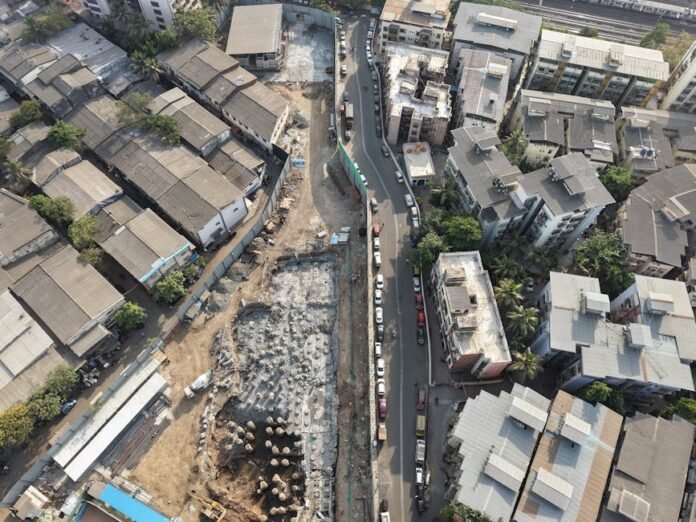
Mumbai’s ambitious public infrastructure development drive is facing significant delays, with crucial projects being stalled due to disruptions in global supply chains, exacerbated by the ongoing conflict in West Asia.

The Chenab Times has learned that the prolonged geopolitical tensions in the Middle East have led to a surge in shipping costs and a scarcity of essential materials, directly impacting the timely completion of several key urban development initiatives across the financial capital.

Projects that were expected to significantly alter Mumbai’s skyline and improve civic amenities are now behind schedule. These include large-scale housing developments, transportation networks, and commercial complexes. The ripple effect of these delays extends beyond construction timelines, affecting economic projections and the availability of new infrastructure for the city’s burgeoning population.

The primary cause for the current impasse is the increased transit times and heightened insurance premiums for maritime cargo traversing the Red Sea and surrounding waterways. The region has become a focal point of international security concerns, leading many shipping companies to reroute their vessels around the southern tip of Africa. This navigational shift substantially increases both the duration and expense of transporting goods, particularly heavy machinery, specialized steel, and construction chemicals, which are vital for large-scale infrastructure projects.

Industry experts and project managers in Mumbai have expressed grave concerns over the escalating costs associated with these supply chain disruptions. The original budget allocations for many projects are proving insufficient as companies grapple with the increased expenditure on logistics and the potential need to source materials from alternative, often more expensive, suppliers closer to home, a move that is not always feasible for specialized components.

Several reports indicate that construction firms involved in these projects are exploring contingency plans, which include accelerating procurement from domestic manufacturers where possible and renegotiating contracts with international suppliers. However, the sheer scale and specialized nature of materials required for many of Mumbai’s mega-projects make immediate domestic substitution a significant challenge. The scarcity of certain high-grade steel alloys, pre-fabricated components, and advanced construction materials sourced from regions affected by the conflict are particularly problematic.

The geopolitical situation has created a ‘force majeure’ scenario for many contracts, allowing for extensions but also leading to complex negotiations between developers, contractors, and financiers. The uncertainty surrounding the duration of the conflict and its impact on global trade routes further complicates long-term planning for Mumbai’s infrastructure sector.

Urban development in Mumbai has been a priority for both state and central governments, with numerous projects aimed at addressing the city’s perennial issues of overcrowding and strained resources. These delays threaten to prolong the challenges faced by Mumbaikars, impacting commute times, housing availability, and overall quality of urban life.

The West Asian conflict, while geographically distant, has thus emerged as a critical factor influencing the physical transformation of one of India’s most vital economic hubs. The situation underscores the interconnectedness of global geopolitics and local development, highlighting the vulnerabilities that large-scale urban projects face in an increasingly volatile international landscape. Authorities and industry stakeholders are reportedly in continuous dialogue to find sustainable solutions and mitigate the impact of these external shocks on the city’s development trajectory.

Iran Rapidly Restoring Missile Sites Despite US Efforts, Intelligence Reports

0
Bustling Tehran street scene with cars, mosque minarets, and traditional architecture.
Photo by Necati Ömer Karpuzoğlu on Pexels

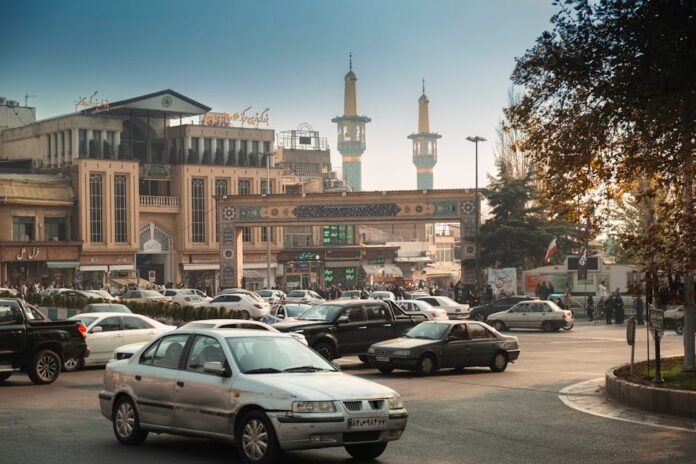
New assessments from United States intelligence agencies indicate that Iran is swiftly repairing and reinforcing its ballistic missile launch sites, raising concerns about the effectiveness of international efforts to curb Tehran’s missile program. The repairs suggest a sustained commitment by Iran to maintaining and potentially expanding its ballistic missile capabilities, a critical component of its military strategy.

The Chenab Times has learned that these developments are causing a reevaluation of how close the U.S. is to achieving its stated objective of degrading Iran’s missile capacity. The intelligence, gathered through various surveillance methods, points to a significant effort by Iran to fortify its infrastructure, potentially in response to past or anticipated military actions.

The U.S. intelligence community’s findings contrast with the perceived success of previous campaigns aimed at neutralizing Iran’s missile infrastructure. The resilience and rapid recovery of these sites suggest a more robust and adaptable Iranian defense and offense strategy than previously understood. This includes the rapid repair of hardened missile bunkers, which are designed to protect launchers and missiles from aerial attack and are crucial for ensuring retaliatory strike capabilities.

These reports emerge at a time of heightened geopolitical tension in the Middle East. Iran’s ballistic missile program has long been a significant concern for the United States, Israel, and several Arab nations, who view it as a destabilizing factor in the region and a potential threat to international security. The program is seen as a key element of Iran’s foreign policy and its regional influence, enabling it to project power across a wide area.

The U.S. objective of significantly diminishing Iran’s missile capabilities has been a central pillar of its strategy in dealing with Tehran, particularly in the context of ongoing regional conflicts and Iran’s nuclear ambitions. However, the intelligence suggesting rapid repairs casts doubt on how effectively this objective is being met. The ability of Iran to quickly restore operational status to its missile sites indicates a sophisticated understanding of its own vulnerabilities and a capacity for swift countermeasures.

The intelligence assessments suggest that Iran has been proactive in its efforts, potentially anticipating further actions against its military infrastructure. This includes not only repairing damaged facilities but also possibly enhancing their resilience and operational readiness. The nature of these repairs and reinforcements is likely designed to improve survivability and maintain a consistent launch posture, even under duress.

The U.S. government has not publicly detailed the specific intelligence it has gathered, but sources familiar with the assessments have indicated that satellite imagery and other monitoring methods have provided clear evidence of ongoing repair and construction work at various known missile bases across Iran. These efforts are reportedly being conducted with a sense of urgency, reflecting Iran’s strategic priorities.

The implications of Iran’s ability to maintain and quickly repair its missile infrastructure are far-reaching. It complicates diplomatic efforts aimed at de-escalating regional tensions and could embolden Iran in its regional activities. For adversaries, it presents a persistent challenge in military planning and deterrence strategies. The effectiveness of sanctions and diplomatic pressure in curbing Iran’s missile development is now under renewed scrutiny.

The continuous evolution of Iran’s missile program, marked by these rapid repair capabilities, underscores the dynamic nature of geopolitical competition in the Middle East. It highlights the challenges faced by international powers in projecting influence and enforcing compliance with international norms, particularly when dealing with actors possessing advanced technological capabilities and strategic foresight.

The U.S. intelligence findings are likely to inform future policy decisions regarding Iran, potentially leading to a reassessment of strategies and an increased focus on intelligence gathering and countermeasures. The ability of Iran to sustain and rapidly restore critical military assets remains a key factor in regional security calculations.