Bucharest, Romania – Romania is currently navigating a complex political landscape, with ongoing efforts to form a new government and address pressing economic issues. The nation has faced a series of political developments, including the nomination of a prime minister-designate and intensive coalition talks among major parties. These discussions are crucial for establishing a stable administration capable of implementing necessary reforms and managing the country’s economic trajectory.
The Romania Journal has reported on the intricate negotiations, highlighting proposals for short-term pacts aimed at enacting urgent reforms. Political leaders are engaged in detailed consultations to forge a consensus, with key parties outlining conditions for their support. The Democratic Alliance of Hungarians in Romania (UDMR) has indicated a significant chance of a new government’s approval, while the National Liberal Party (PNL) leader has stipulated strict conditions for backing any new cabinet.
Recent economic data indicates that Romania’s economy is facing headwinds. Inflation rose to 6.61 percent in September, and the International Monetary Fund (IMF) has forecast a recession for the country amidst a revised global economic outlook. These financial challenges add a layer of urgency to the political maneuvering, as a new government will need to implement fiscal measures to stabilize the economy and mitigate the impact of the projected downturn.
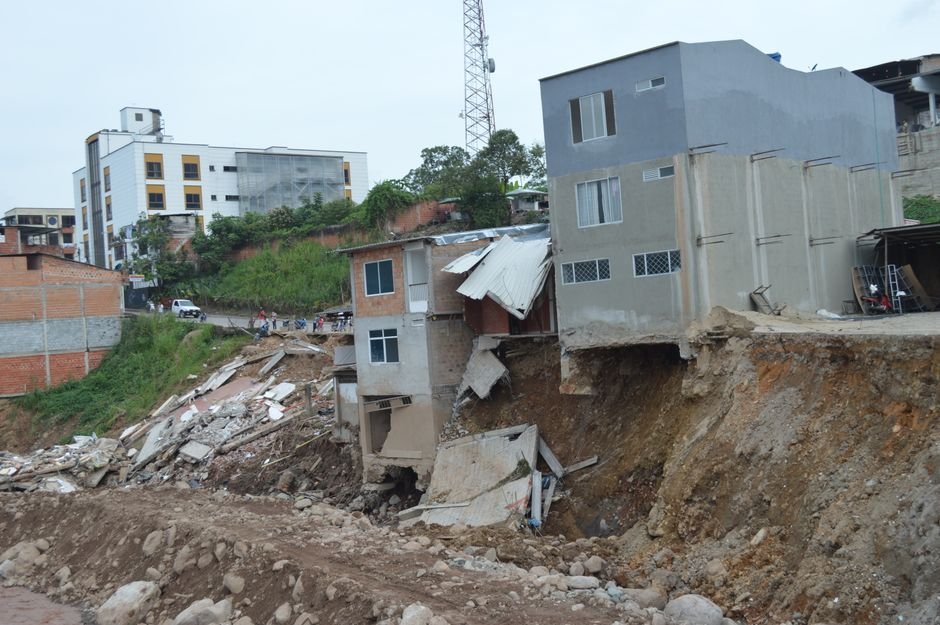
Beyond the immediate political and economic concerns, Romania continues to grapple with its vulnerability to natural hazards. Recent floods in Central Europe, which significantly impacted Romania, resulted in thousands of households affected, hundreds evacuated, and several lives lost. This was followed by a moderate earthquake, underscoring the country’s exposure to a range of risks, including floods, droughts, landslides, wildfires, and extreme weather events. Between 1970 and 2021, Romania has experienced 90 disasters, causing substantial economic damage and affecting millions. Future projections suggest an increase in the frequency and intensity of extreme weather events, exacerbating these risks.
In response to these persistent challenges, Romania has been actively working to enhance its disaster risk management (DRM) capabilities. With support from the World Bank and GFDRR, the government is implementing systematic processes to reduce the vulnerability of critical public buildings, particularly in earthquake-prone areas like Bucharest. These efforts include structural retrofitting and functional upgrading of facilities essential for disaster response and recovery. Furthermore, Romania is committed to building long-term resilience through various instruments, including a Disaster Risk Management Loan with a Catastrophe Deferred Drawdown Option, providing access to contingency finance for rapid disaster response.
The country is also focusing on strengthening inclusive social resilience, recognizing that disasters disproportionately affect vulnerable populations. Initiatives are underway to improve support for people with disabilities during emergencies and to address the specific needs of marginalized groups. The National Climate Change Adaptation Strategy aims to bolster forecasting and early warning systems, complementing mitigation goals across key sectors. These comprehensive strategies reflect Romania’s commitment to a multi-hazard and inclusive approach to disaster risk reduction and climate adaptation, aiming to build a more resilient society for the future.
❤️ Support Independent Journalism
Your contribution keeps our reporting free, fearless, and accessible to everyone.
Or make a one-time donation
Secure via Razorpay • 12 monthly payments • Cancel anytime before next cycle


(We don't allow anyone to copy content. For Copyright or Use of Content related questions, visit here.)

The Chenab Times News Desk