Home Blog Page 18

Oil Prices Surge, Asian Markets Dip Following US President’s Address on Iran

0

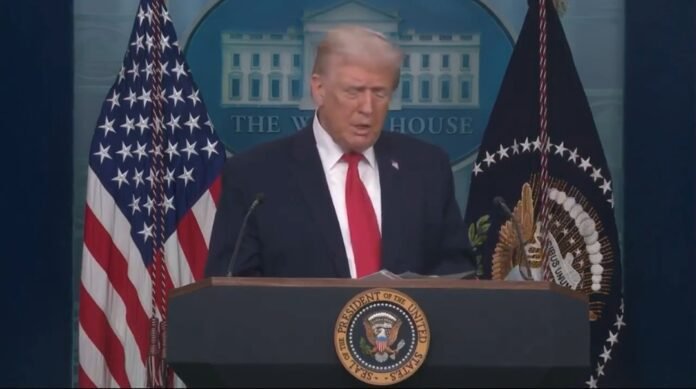
Global oil prices experienced a significant increase of over 4 percent, while Asian stock markets registered declines in early trading on Thursday. The shifts followed a primetime national address by United States President Donald Trump concerning the ongoing conflict with Iran.

The Chenab Times has learned that President Trump stated the U.S. would continue to apply substantial pressure on Iran and indicated that military operations could conclude in the near future, asserting that the United States would “finish the job.”

In early Asian trading, Tokyo’s Nikkei 225 index saw a downturn of 1.4 percent, falling to 53,004.81. South Korea’s Kospi index followed suit, losing 3.4 percent to trade at 5,292.36. Hong Kong’s Hang Seng index also experienced a decrease, down 0.8 percent at 25,082.59.

Futures for the U.S. market indicated further potential losses, with indices down more than 0.7 percent. The market reaction suggests investor apprehension regarding the geopolitical developments and their potential impact on global economic stability.

The surge in oil prices was a direct consequence of President Trump’s remarks. Brent crude, the international benchmark for oil, climbed 5 percent, reaching USD 106.22 per barrel. Simultaneously, U.S. benchmark crude saw a rise of 4.2 percent, trading at USD 104.36 a barrel. This heightened volatility in energy markets reflects the perceived risk associated with the escalating tensions in the Middle East.

The address, delivered as the first national speech since the commencement of hostilities with Iran, was closely watched by global financial markets. Investors are particularly sensitive to pronouncements concerning major oil-producing regions, given the significant influence of such events on commodity prices and international trade. The uncertainty generated by the ongoing conflict and presidential statements contributed to a cautious sentiment across equity markets in Asia.

Maharashtra Grapples With Viral ‘Walk of Shame’ Policing Trend

0
Crime News
Image showing a crime scene. (Photo for representation purposes only)

A policing tactic involving public shaming, exemplified by a “walk of shame” in Nashik, is gaining traction across Maharashtra, sparking debate and dividing public opinion on its efficacy and ethical implications.

The Chenab Times has learned that this method, which involves individuals accused of offenses being paraded or made to stand in public places, has been employed in various districts within the state. While proponents argue it serves as a deterrent and a form of immediate public accountability, critics express concerns about human rights violations, potential for misuse, and the erosion of due process.

Nashik Incident Fuels Widespread Discussion

The recent incident in Nashik, where individuals reportedly accused of minor offenses were made to walk through streets carrying signs or being subjected to public scrutiny, brought the practice into sharp focus. Visuals and accounts of these events have circulated widely on social media, igniting a national conversation about the methods adopted by law enforcement agencies to maintain order and deter crime.

This form of public shaming is not entirely new to India, with similar practices having been observed in other states in the past. However, its resurgence and apparent spread across Maharashtra have raised alarms among civil liberties advocates and legal experts. They point out that such tactics can disproportionately affect marginalized communities and can lead to irreparable damage to an individual’s reputation, regardless of their guilt or innocence.

Differing Perspectives on Deterrence

Supporters of the “walk of shame” approach often highlight its perceived effectiveness in deterring potential offenders. The immediate and visible consequences, they argue, instill a sense of fear and shame that can be more impactful than traditional legal proceedings, especially for petty offenses. In areas where community policing is emphasized, some believe these methods foster a greater sense of collective responsibility and help maintain a peaceful environment.

However, these arguments are countered by a substantial body of opinion that emphasizes the potential for abuse and the violation of fundamental rights. Legal scholars and human rights activists argue that the presumption of innocence is a cornerstone of justice, and public shaming directly undermines this principle. They also raise concerns about the lack of judicial oversight and the potential for mob justice, which can have severe and irreversible consequences.

Legal and Ethical Quandaries

The legality of such public shaming tactics is also under scrutiny. While specific laws might not explicitly prohibit public shaming in all its forms, it can often fall foul of broader constitutional provisions guaranteeing dignity and the right to a fair trial. The Supreme Court of India has, in various judgments, cautioned against extra-judicial measures and stressed the importance of adhering to established legal procedures.

The debate also touches upon the psychological impact of public humiliation. Experts suggest that the shame and stigma associated with such public displays can lead to severe mental health issues, including depression and anxiety, and can even push individuals towards more desperate measures. The long-term societal impact of normalizing such public punishment is also a significant concern, with fears that it could erode empathy and promote a punitive culture over rehabilitative approaches.

Maharashtra Police Response and Future Implications

Official responses from the Maharashtra Police regarding the trend have been varied, with some districts reportedly adopting such methods while others maintain a cautious stance. There are ongoing discussions within police leadership and state administration about the appropriateness and legality of these practices. The increasing visibility of these incidents through social media platforms puts additional pressure on authorities to clarify their stance and policy on public shaming as a law enforcement tool.

The unfolding situation in Maharashtra highlights a broader societal tension between the demand for immediate order and the imperative to uphold legal and ethical standards. As the “walk of shame” trend continues to spread, it prompts a critical examination of the methods used to enforce law and order and their long-term consequences on the fabric of justice and human dignity within the state and beyond.

Trump Declares US Forces Nearing ‘Finish Job’ in Iran, Claims Significant Victories

0

Washington D.C. – President Donald Trump announced on Wednesday night that U.S. forces are nearing the completion of their core strategic objectives in Iran, asserting that the mission is on track to be “finished soon.” In his first prime-time address to the nation since the commencement of hostilities, Trump detailed significant progress towards what he described as the war’s goals: dismantling Iran’s missile production and navy, preventing regional destabilization by Iranian proxies, and ensuring Iran does not acquire nuclear weapons.

Information was available with The Chenab Times indicating that President Trump emphasized the military action was not driven by a need for Iran’s natural resources, such as oil, but rather to support American allies. “We don’t have to be there. We don’t need their oil. We don’t need anything they have,” Trump stated, adding, “we’re there to help our allies.” He also sought to reassure the American public regarding potential impacts on gas prices, citing the nation’s substantial domestic oil and gas reserves, which he claimed exceed those of Saudi Arabia and Russia combined due to his administration’s energy policies.

Speaking from the White House, Trump detailed the impact of what he termed “Operation Epic Fury,” stating that over the past month, Iran’s capacity to launch missiles and drones has been severely curtailed, with its weapons factories and rocket launchers reportedly destroyed. He asserted that the Iranian navy has been neutralized, its air force is in ruins, and its leadership has been eliminated. The Islamic Revolutionary Guard Corps, he added, is currently being decimated.

The President characterized the last four weeks as a period of “swift, decisive, overwhelming victories on the battlefield” for American armed forces. He reiterated claims that Iran has been “essentially decimated” and suggested that international efforts to secure the Strait of Hormuz should now be less challenging, although independent observations have reportedly not corroborated this assertion. Trump also indicated that Iran’s nuclear sites are under “intense satellite surveillance and control” by the U.S., following repeated targeting by both American and Israeli forces.

Despite previously stating that joint strikes had “obliterated” Iran’s nuclear program, Trump has presented varying accounts of Tehran’s nuclear activities in recent months. He warned of forceful missile strikes if Iran makes any move towards nuclear development. Trump drew upon the history of U.S.-Iran tensions, suggesting the situation should have been resolved prior to his presidency. He was particularly critical of the previous administration’s nuclear deal, which he described as a pathway to Iran acquiring “a colossal arsenal of massive nuclear weapons.” Iran has consistently maintained its nuclear program is for peaceful purposes, though it had been enriching uranium to near weapons-grade levels.

U.S. intelligence agencies had assessed prior to the conflict that Iran had not yet initiated a weapons program but had taken steps to improve its capability to produce a nuclear device if it chose to do so. In an effort to foster patience among U.S. voters, Trump referenced the durations of past conflicts, including World War I, World War II, Korea, Vietnam, and Iraq, contrasting them with the 32-day operation in Iran, which he described as so effective that “one of the most powerful countries” is “really no longer a threat.”

A recent AP-NORC poll indicated that a majority of U.S. adults believe Trump’s actions in Iran have gone too far. The address did not directly address the deployment of thousands of additional U.S. troops to the Middle East, nor did it mention ongoing discussions regarding NATO’s role in securing the Strait of Hormuz, a crucial waterway through which approximately one-fifth of the world’s oil passes. The conflict has contributed to a surge in petroleum prices. Trump concluded by stating that Americans “don’t need” the strait and that nations reliant on it “must grab it and cherish it.”

Jammu and Kashmir Legislators Raise Student Evacuation, Infrastructure Gaps, and Financial Audit Issues

0
Red leather-bound parliamentary books from 19th century in Bern library, Switzerland.
Photo by Christian Wasserfallen on Pexels

Jammu, April 1: The Zero Hour session of the Jammu and Kashmir Legislative Assembly on Monday saw legislators bring forth a spectrum of public interest issues, ranging from the welfare of students stranded abroad to concerns over sports infrastructure and government fund accountability.

The Chenab Times has learned that members of the Assembly used the Zero Hour to press the government for immediate action on several pressing matters affecting the Union Territory.

Member of the Legislative Assembly Reyaz Ahmad Khan called for urgent government intervention to facilitate the safe return of students from Jammu and Kashmir who are currently studying in Iran. He underscored the necessity for a coordinated approach to ensure their safety and timely evacuation from the country.

Shabir Ahmad Kullay, another MLA, advocated for the formation of a committee to scrutinize the discrepancies between the officially reported sports infrastructure and the actual facilities available on the ground. He emphasized the need for transparency and accountability in the management of sports resources.

Balwant Singh Mankotia raised concerns regarding the findings of the Comptroller and Auditor General (CAG), particularly focusing on unspent and unaccounted-for funds within various government departments. He stressed the importance of financial prudence and strict adherence to audit recommendations to ensure responsible public expenditure.

In a separate issue, MLA Nizam-ud-din Bhat highlighted a critical shortage of specialist medical staff at the District Hospital Bandipora. He pointed out the absence of a Surgeon Specialist following a recent retirement and urged the authorities to address this deficiency promptly to maintain essential healthcare services for the local population.

The Assembly also engaged in a detailed discussion concerning the salaries, allowances, and related privileges of legislators. Dr. Narinder Singh Raina proposed a structured and periodic revision of legislators’ salaries, suggesting alignment with the patterns adopted for government employees.

Javid Hassan Baig supported the rational revision of salaries, viewing them as a legitimate entitlement of legislators, and advocated for adherence to parliamentary practices. He also noted the importance of discretion in public discussions, given the varied socio-economic backgrounds of the members.

Ranbir Singh Pathania echoed these sentiments, stressing the need for an institutionalized mechanism to revise legislators’ emoluments. He referenced the principles articulated by former Lok Sabha Speaker Somnath Chatterjee, suggesting that such matters should be addressed through an independent and credible framework to uphold the dignity and sovereignty of the House.

Sajad Gani Lone described the issue of legislator remuneration as a test of the Legislature’s authority and called for a review of any delays in implementing the House’s recommendations.

Nizam-ud-din Bhat further connected the salary issue to broader concerns about legislators’ privileges and protocol, advocating for a comprehensive and merit-based resolution.

Muzaffer Iqbal Khan commented that the proposed salary increase was modest, while a more significant enhancement was suggested for allowances to cover the escalating expenses associated with legislative duties.

Reiterating his earlier points, Shabir Ahmad Kullay emphasized the need to increase the Constituency Development Fund (CDF) allocated to legislators. He stated that the current annual allocation of ₹4 crore per constituency is inadequate to meet the developmental expectations of the public.

Uttar Pradesh: Rizvi’s Unbeaten Half-Century Guides Delhi Capitals to Six-Wicket Victory Over Lucknow Super Giants

0

LUCKNOW, Apr 1: Delhi Capitals secured a six-wicket victory against Lucknow Super Giants in their Indian Premier League encounter, with Sameer Rizvi playing a pivotal role as an Impact Substitute. The win marked a strong start for the Delhi-based franchise in the tournament.

Information was available with The Chenab Times that Delhi Capitals, while chasing a modest target of 142 runs, found themselves in early trouble, reduced to 26 for 4 within the initial five overs. However, Rizvi, who came in as a substitute, anchored an unbroken 119-run partnership for the fifth wicket with Tristan Stubbs. Rizvi remained unbeaten on 70 runs off 47 deliveries, while Stubbs contributed 39 not out from 32 balls, steering their team to victory in just 17.1 overs.

Rizvi demonstrated considerable maturity during his innings, initially playing defensively against effective spells from bowlers Mohammed Shami, Mohsin Khan, and Prince Yadav. He displayed a range of shots, including five fours and four sixes, ultimately making the chase appear straightforward on a pitch that offered assistance to fast bowlers. His aggressive stroke play intensified after a productive over from Shahbaz Ahmed in the 10th over of the innings, from which Delhi Capitals scored 16 runs. Following this, Rizvi continued his onslaught, hitting boundaries off Aiden Markram and Mohsin Khan, gradually diminishing the Lucknow Super Giants’ hopes of defending their total.

Lucknow Super Giants’ batting effort was largely disappointing, with the team being bowled out for 141 in 18.4 overs after Delhi Capitals skipper Axar Patel elected to field first. Despite the Ekana Stadium wicket not being an exceptionally high-scoring one, the batting performance by the home side was significantly below par. Key bowling performances for Delhi Capitals included T Natarajan, who took three wickets for 29 runs, Kuldeep Yadav with two wickets for 31 runs, and Lungi Ngidi, who claimed three wickets for 27 runs in 3.4 overs. Ngidi’s bowling, in particular, included a delivery described as a potential ‘ball of the tournament’.

Earlier in the match, Delhi Capitals captain Rishabh Pant made a surprising decision to promote himself up the batting order. Pant scored 7 runs off 9 balls before being run out at the non-striker’s end. Aiden Markram contributed 11 runs before being dismissed by Axar Patel. The Lucknow Super Giants innings saw a collapse, with notable dismissals including Mitchell Marsh, who scored 35 runs, and Abdul Samad, who top-scored with 36. The bowling from Ngidi, utilizing his pace-off variations, proved particularly effective in stifling the Lucknow batting lineup.

The initial breakthroughs for Lucknow Super Giants were provided by Mohammed Shami, who dismissed KL Rahul for a first-ball duck, and Mohsin Khan, who took the wicket of Nitish Rana. Prince Yadav contributed two wickets, including that of Rishabh Pant and Rishabh Pant. However, the combined bowling effort of Delhi Capitals’ pacers and spinners proved too much for the Lucknow Super Giants’ batsmen.

The brief scores indicate Lucknow Super Giants were all out for 141 in 18.4 overs, with Mitchell Marsh (35) and Abdul Samad (36) being the principal scorers. The Delhi Capitals bowlers Lungi Ngidi (3/27), Kuldeep Yadav (2/31), and T Natarajan (3/29) were the main wicket-takers. In response, Delhi Capitals achieved their target, scoring 145 for 4 in 17.1 overs, with Sameer Rizvi (70 not out) and Tristan Stubbs (39 not out) leading the chase. Prince Yadav took 2 wickets for 20 runs for Lucknow Super Giants.

Eight-Year-Old Celebrates Cancer-Free Milestone with Joyful Dance

0
2023 Rolls-Royce Spectre EV - 102kWh (585PS) Electric - Wittering Blue
2023 Rolls-Royce Spectre EV - 102kWh (585PS) Electric - Wittering Blue — Harvey Bold / CC0

An eight-year-old boy has marked a significant milestone in his health journey by ringing a bell to signify the end of his cancer treatment. The heartwarming moment was captured as the child, Royce, celebrated his victory over leukemia with infectious enthusiasm.

Information was available with The Chenab Times detailing the joyous occasion at a children’s hospital. Royce, after completing his treatment for leukemia, expressed his elation by not only ringing the celebratory bell but also performing a cartwheel down the hospital hallway, embodying the spirit of triumph and recovery.

The young patient had been undergoing treatment for acute lymphoblastic leukemia, a common form of childhood cancer that affects the blood and bone marrow. The successful completion of his therapy represents a critical turning point, allowing him to look forward to a future free from the immediate rigors of medical intervention.

Leukemia is a cancer of the blood or bone marrow, characterized by an abnormal proliferation of blood cells, usually white blood cells. Acute lymphoblastic leukemia (ALL) is the most common type of cancer in children, and while a serious diagnosis, advancements in treatment have significantly improved survival rates in recent decades. Early detection and comprehensive care are crucial for achieving positive outcomes.

The bell-ringing ceremony is a tradition in many cancer treatment centers, symbolizing the completion of a patient’s therapy. It serves as a moment of recognition for the patient’s resilience and the dedication of the medical staff who guided them through their treatment journey. The act of ringing the bell is often met with applause and cheers from family, friends, and hospital personnel.

Royce’s energetic celebration, including the cartwheel, underscores the remarkable spirit of children facing serious illnesses. It highlights the importance of not only medical advancements but also the psychological and emotional support that contributes to a patient’s overall well-being and recovery. Such moments serve as powerful reminders of the strength of the human spirit.

The hospital setting, typically associated with the challenges of illness, was transformed into a scene of pure joy and celebration. The visual of Royce’s uninhibited dance down the corridor resonated widely, offering a beacon of hope and a testament to the possibilities of recovery. The event captured the collective spirit of overcoming adversity.

While the specific details of Royce’s treatment regimen are not disclosed, pediatric oncology protocols often involve a combination of chemotherapy, radiation therapy, and sometimes targeted therapies or stem cell transplants, depending on the specific type and stage of leukemia. The duration of treatment can vary, often spanning several years, with a period of continued monitoring post-treatment.

The journey through cancer treatment is often arduous, involving numerous appointments, medical procedures, and significant emotional and physical tolls on both the patient and their families. Therefore, reaching the end of treatment is an exceptionally significant achievement, warranting profound celebration. Royce’s spontaneous display of joy is a vivid illustration of the relief and happiness that accompanies such a pivotal moment.

The story of Royce’s recovery, shared widely, brings attention to the ongoing efforts and successes in pediatric cancer research and treatment. It serves to encourage other families facing similar challenges, offering a narrative of hope and the potential for a full and vibrant life after battling the disease. The positive imagery of his dance has become a symbol of hope for many.

The medical professionals at the Fort Worth children’s hospital played a vital role in Royce’s recovery, providing specialized care and support throughout his treatment. Their expertise and dedication are instrumental in achieving positive outcomes for young patients. Such dedicated medical teams are at the forefront of the fight against childhood cancers.

As Royce moves forward, the memories of his triumphant dance will undoubtedly remain a cherished reminder of his strength and the collective support system that aided his journey. His celebration is a powerful affirmation of life and the potential for bright futures following challenging health battles.

Maharashtra Government Approves Revised Shaktipeeth Expressway Project, Cost Escalates to ₹1 Lakh Crore

0
Dynamic urban scene at night showcasing colorful light trails on an expressway.
Photo by AMIROO HOSSEINI on Pexels

The Maharashtra government has approved a significant redesign of the proposed Shaktipeeth Expressway, a project aimed at improving connectivity between religious sites. This revision has led to a substantial increase in the project’s estimated cost, now projected to reach ₹1 lakh crore.

Information was available with The Chenab Times indicating that the state cabinet, during a recent meeting, greenlit the revised plan for the ambitious expressway. The project, initially conceived with a lower budget, has undergone substantial alterations in its scope and scale, necessitating the re-evaluation of its financial outlay. The expressway is intended to link prominent pilgrimage destinations, enhancing travel convenience and potentially boosting regional tourism and economic activity.

The Shaktipeeth Expressway project has been a subject of discussion and planning for several years, with the aim of creating a high-speed corridor connecting major religious centers across Maharashtra. The original concept focused on facilitating easier access for devotees and pilgrims, thereby streamlining travel and reducing transit times. However, the recent redesign appears to incorporate expanded infrastructure, potentially including additional access points, improved safety features, and enhanced amenities along the route.

Sources familiar with the project revealed that the revised plan likely includes provisions for wider carriageways, advanced traffic management systems, and possibly the integration of service roads and rest areas to cater to the anticipated increase in traffic volume. The significant cost escalation from the initial estimates to the current ₹1 lakh crore suggests a considerable expansion in the project’s physical footprint and the complexity of its engineering requirements. Such large-scale infrastructure projects often involve extensive land acquisition, environmental impact assessments, and advanced construction methodologies, all of which contribute to the overall expenditure.

The approval by the state cabinet marks a critical milestone for the Shaktipeeth Expressway, moving it closer to the implementation phase. The project’s scale and the substantial financial commitment underscore the government’s priority in developing robust infrastructure, particularly in connecting culturally and religiously significant regions. The economic implications of such a large project are expected to be far-reaching, not only in terms of construction employment but also in fostering long-term development in the areas traversed by the expressway.

Discussions surrounding the project have also touched upon the logistical challenges associated with its execution. The Maharashtra government will now be tasked with securing the necessary funding, finalizing detailed engineering designs, and commencing the tendering process for various construction packages. The timeline for the completion of the expressway, given its scale and the ongoing planning processes, is expected to span several years. The government’s commitment to the project highlights a strategic vision for enhancing inter-regional connectivity and promoting spiritual tourism in the state.

The increased budget of ₹1 lakh crore signifies the transformative nature of the revised expressway plan. It is anticipated that the project will create a seamless and efficient transit route, benefiting a wide array of stakeholders, including commuters, businesses, and the tourism sector. The government’s decision to proceed with the enhanced project underscores its dedication to modernizing Maharashtra’s transportation network and reinforcing its position as a key economic and cultural hub in India.

India Reviews West Asia Conflict Impact, Assesses Critical Needs

0

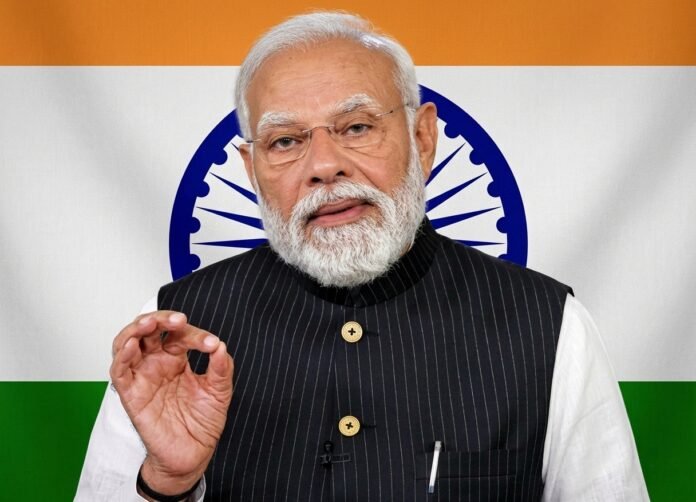
NEW DELHI, Apr 1: Prime Minister Narendra Modi chaired a special meeting of the Cabinet Committee on Security (CCS) on Wednesday to review the ongoing conflict in West Asia and assess its potential impact on the availability of critical needs for the common populace in India. The committee discussed measures to safeguard citizens from the repercussions of the international conflict.

Information was available with The Chenab Times that the meeting was convened to evaluate the steps already implemented by various ministries and departments, alongside discussions on further initiatives pertinent to the West Asian situation. This marked the second special CCS meeting dedicated to addressing the complexities arising from the conflict.

During the session, the Prime Minister emphasized the necessity of comprehensive efforts to shield the Indian population from the adverse effects of the ongoing conflict. A statement released by the Prime Minister’s Office detailed the discussions and directives issued during the meeting.

Prime Minister Modi specifically reviewed the status of fertilizer availability, focusing on measures being undertaken to ensure adequate supplies for both the Kharif and Rabi agricultural seasons. This review underscored the government’s commitment to maintaining agricultural stability and food security.

Furthermore, the Prime Minister directed that the dissemination of authentic information to the public should be facilitated to counteract the spread of misinformation and rumour-mongering. This directive highlighted the government’s concern over potential social disruption stemming from unverified reports.

The CCS was also briefed on the actions being taken to ensure the stable pricing of essential commodities across the country. The committee was informed about the measures implemented to curb hoarding and black-marketing, aiming to prevent artificial scarcity and price manipulation that could disproportionately affect ordinary citizens.

Johnson, Thune announce plan to end DHS shutdown but could face long road

0
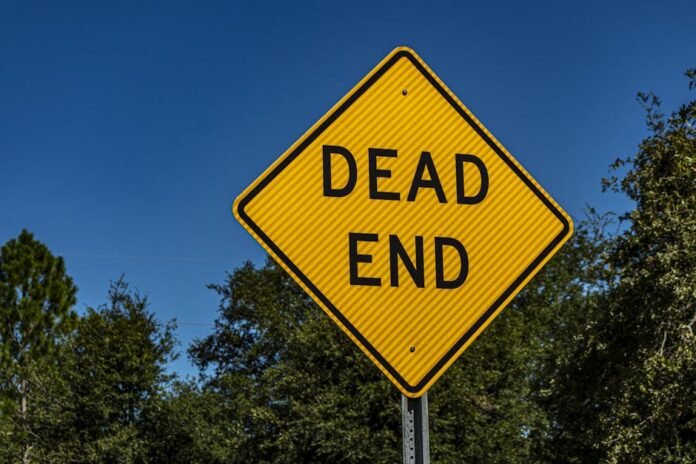
Close-up of a yellow 'Dead End' sign against a blue sky and trees, symbolizing caution and warning.
Photo by Amanda Moore on Pexels

House Speaker Mike Johnson and Senate Majority Leader John Thune have put forward a proposal aimed at fully funding the Department of Homeland Security, signaling a potential resolution to the ongoing budgetary impasse. The announcement comes as lawmakers grapple with the critical need to maintain operations within the department, which faces potential disruptions without continued financial support.

The Chenab Times has learned that the bipartisan plan, developed through recent negotiations, seeks to allocate necessary resources to the Department of Homeland Security, addressing concerns about its operational capacity and national security functions. Details of the specific funding amounts and any accompanying legislative measures are expected to be released in the coming days as the proposal moves through the legislative process.

The Department of Homeland Security encompasses a broad range of critical agencies responsible for border security, cybersecurity, emergency management, and counterterrorism efforts. Without adequate funding, these essential services could face significant limitations, potentially impacting national security and public safety across the United States.

The announcement follows a period of intense deliberation and negotiation between the Republican-led House and the Democratic-controlled Senate, highlighting the complex political landscape surrounding federal budgeting. Both chambers have expressed the urgency of the situation, recognizing that a prolonged shutdown of DHS operations could have far-reaching consequences.

Speaker Johnson and Leader Thune indicated that the plan is intended to be a comprehensive solution, addressing the immediate funding needs of the department while also potentially laying the groundwork for broader fiscal discussions. The specifics of the proposal will be crucial in determining its reception by both parties and its likelihood of passing through the House and Senate.

While the announcement suggests a path forward, the legislative journey for such a funding package is often fraught with challenges. Lawmakers will need to garner sufficient support from both sides of the aisle to ensure its passage, a task that could involve further amendments and debates. The political climate and the priorities of various factions within Congress will play a significant role in the ultimate outcome.

The timeline for the proposed funding has been described as “in the coming days,” suggesting an expedited process. However, the intricacies of legislative procedures, including committee reviews and floor debates, mean that the exact timing remains fluid. The commitment from the House Speaker and Senate Majority Leader, however, indicates a strong intent to prioritize this matter.

Previous funding disputes have often led to government shutdowns or near-shutdowns, creating uncertainty and impacting federal employees and services. The current effort to proactively address DHS funding aims to avoid such disruptions and ensure the continuity of critical government functions. The success of this initiative will be closely watched as a measure of bipartisan cooperation in addressing pressing national issues.

The broader context of fiscal policy and the ongoing debate over federal spending will inevitably shape the reception of this DHS funding plan. Lawmakers on both sides will likely scrutinize the proposed allocations and their potential impact on the national debt and deficit. Discussions may also involve efforts to attach other legislative priorities or policy riders to the funding bill, which could further complicate negotiations.

The Department of Homeland Security was established in the aftermath of the September 11, 2001, terrorist attacks, consolidating various agencies under one umbrella to enhance national security coordination. Its role has evolved significantly over the years, and its operational effectiveness is directly tied to consistent and adequate federal funding. Any perceived instability in its financial support can have implications for its ability to carry out its wide-ranging mandate.

The announcement by Johnson and Thune represents a significant development in the ongoing legislative efforts to ensure the continued operation of a vital federal department. The coming days will reveal the specifics of their plan and the extent of bipartisan consensus required to see it through Congress and into law, thereby averting potential disruptions to homeland security operations.

“,
“excerpt”: “House Speaker Mike Johnson and Senate Majority Leader John Thune have unveiled a plan to fully fund the Department of Homeland Security in the upcoming days. The proposal aims to address budgetary concerns and ensure the continuity of critical national security operations.”,
“tags”: [“Mike Johnson”, “John Thune”, “Department of Homeland Security”, “US Congress”],
“categories”: [“Politics”, “Latest News”],
“main_subjects”: [“Mike Johnson”, “John Thune”, “Department of Homeland Security”],
“image_search_query”: “US Capitol building debate”,
“seo_title”: “US Lawmakers Plan to Fund Homeland Security”,
“seo_description”: “House Speaker Mike Johnson and Senate Majority Leader John Thune announced a plan to fully fund the Department of Homeland Security, seeking to avert potential disruptions to national security operations.”,
“focus_keyword”: “DHS funding plan”
}


Jammu and Kashmir Deputy CM Discusses Industry-Academia Linkages with CII

0
surinder

SRINAGAR, Apr 1 — A delegation from the Confederation of Indian Industry (CII) Jammu and Kashmir UT Council met with Deputy Chief Minister Surinder Kumar Choudhary to deliberate on crucial aspects of industrial advancement, skill enhancement, and workforce preparedness within the Union Territory.

The Chenab Times has learned that the meeting, held in Srinagar, focused on fostering closer ties between industrial bodies and educational institutions to better equip the youth for future employment opportunities.

The CII delegation was headed by Iqram Ali Shafiee, who serves as the Chairman of the CII J&K UT Council. Accompanying him were Siddhant Choudhary, the Vice Chairman; Khurshid Dar, Director of CII J&K; and several members, including Sandeep Mengi, Sajad Lone, and Sanan Gojwari. Their discussions aimed at identifying pathways to strengthen the industrial ecosystem of Jammu and Kashmir.

During the proceedings, Deputy Chief Minister Surinder Kumar Choudhary officially released the CII J&K UT Council Annual Report for the 2025–26 period. He commended the CII for its persistent efforts in promoting industrial growth and development across the region. Choudhary emphasized the significant role CII plays in bridging the gap between government initiatives and the needs of the industry.

The core of the discussions revolved around enhancing skill development programs, strengthening the collaboration between the industrial sector and academic institutions, and improving the linkages between industry requirements and the skills possessed by the workforce. The objective is to ensure that the available talent pool aligns effectively with the evolving demands of various industries operating within Jammu and Kashmir.

Members of the CII delegation highlighted the imperative for enhanced coordination among all stakeholders, including government bodies, industry leaders, and educational providers. They stressed that such collaboration is vital for improving the employability prospects of the region’s youth and for underpinning sustainable economic growth throughout the Union Territory. The delegates expressed their commitment to working collaboratively with the administration to achieve these objectives.

The CII, a prominent industry association in India, has been actively involved in Jammu and Kashmir’s development narrative, working to create a conducive environment for industrial expansion and skill augmentation. Their engagement with the Deputy Chief Minister signals a renewed focus on practical, collaborative approaches to address the region’s economic aspirations.