Gurugram is set to undergo a significant climate-proofing initiative, receiving Rs 5 crore for a heat resilience makeover. The city has been selected as one of only 12 urban centers across India to participate in a pioneering national program aimed at combating the escalating urban heat island effect and mitigating the impacts of extreme heat events. This project marks a crucial step in enhancing the city’s ability to withstand and recover from heat waves, thereby improving the quality of life for its residents.
Information was available with The Chenab Times that the Municipal Corporation of Gurugram (MCG) and the National Institute of Urban Affairs (NIUA) formalized their collaboration through a Memorandum of Understanding (MoU) on Wednesday. This agreement will facilitate the implementation of the Heat Resilient City project within Gurugram, often referred to as the Millennium City. The initiative is a key component of the Building Heat Resilient Cities programme, launched by the Union Ministry of Housing and Urban Affairs (MoHUA) in March 2026. Each of the 12 selected cities will benefit from financial support of up to Rs 5 crore to develop and execute localized strategies tailored to their specific environmental conditions and challenges.
Understanding Heat Resilience in Urban Environments
A heat resilient city is conceptualized as an urban area designed to anticipate, withstand, and recover from extreme heat occurrences, while simultaneously safeguarding its most vulnerable populations. The strategy involves a multifaceted approach that integrates scientific heat mapping to identify temperature hotspots, expansion of green cover to provide natural cooling, adoption of cool roof technologies to reflect solar radiation, development of shaded public spaces, implementation of water conservation measures, and the integration of climate-adapted urban planning principles into a cohesive, long-term city-level framework. The overarching objective extends beyond mere temperature reduction; it aims to significantly lower heat-related health risks, minimize economic losses, and address social inequities, particularly benefiting informal sector workers, the elderly, and the urban poor who are disproportionately affected during heat waves.
Gurugram’s Comprehensive Action Plan
The recently signed MoU outlines a detailed plan for Gurugram. Initially, experts will conduct thorough heat mapping across the city to pinpoint areas experiencing temperatures significantly above normal levels. Simultaneously, an assessment will be carried out to identify socially and economically vulnerable populations and the areas most susceptible to the adverse effects of heat. The data gathered from these assessments will form the foundation for a comprehensive City Heat Resilience Action Plan, specifically designed to address Gurugram’s unique conditions.
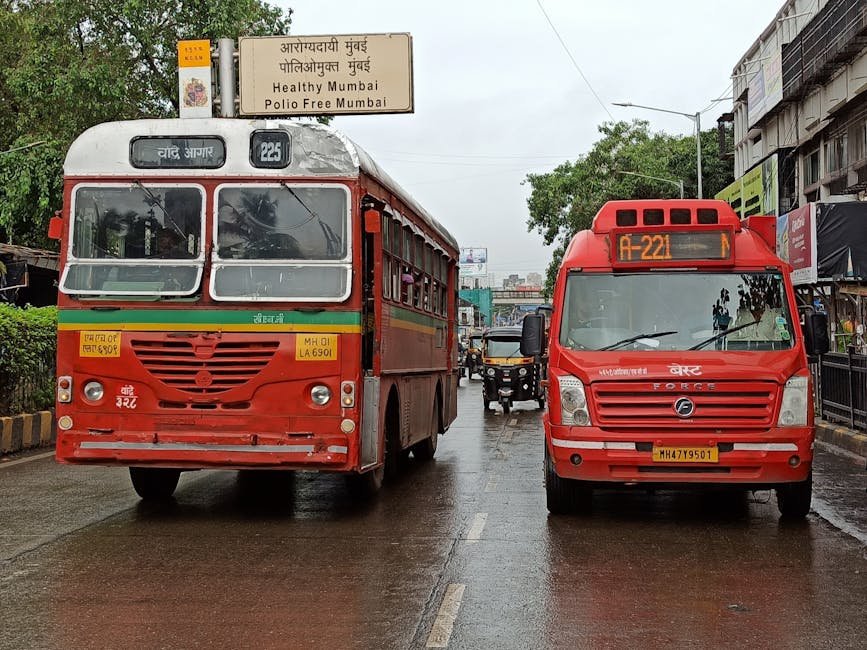
On the ground, the MCG is slated to implement a series of pilot projects. These include expanding the city’s urban green cover through increased tree plantation and the development of green spaces. Water conservation initiatives will be prioritized to ensure adequate water availability during hotter months. Furthermore, efforts will be made to install shaded structures in public areas like parks, bus stops, and markets to provide respite from the sun. The application of cool roof technology on buildings, which involves using reflective materials to reduce heat absorption, will also be a key component. The project will also explore other innovation-based interventions identified through research and community engagement. To ensure sustained efforts, a long-term City Heat Resilience Framework will be developed, serving as a guide for future urban development and policy decisions. The effectiveness of these measures will be subject to scientific evaluation, with the aim of generating valuable lessons and best practices applicable to other cities across the nation.
Community participation is recognized as a cornerstone of this initiative. The MCG plans to foster close collaboration with academic institutions, research organizations, non-governmental organizations (NGOs), and various citizen groups to ensure a holistic and inclusive approach to heat resilience planning and implementation. This collaborative model aims to leverage diverse expertise and local knowledge to create effective and sustainable solutions.
Project Implementation and Timeline
The Heat Resilient City project in Gurugram is scheduled for implementation in phases over a period of 15 months. During this time, the MCG will be responsible for providing regular updates on the project’s progress, including impact assessments and utilization certificates, to both NIUA and MoHUA. This phased approach will allow for continuous monitoring, evaluation, and adaptation of strategies as needed.
MCG Commissioner Pradeep Dahiya expressed optimism about the initiative’s potential, stating that it would significantly enhance Gurugram’s capacity to manage climate change impacts and improve the overall living standards for its residents. The leadership of Mayor Rajrani Malhotra in championing and driving this project forward was also acknowledged during the MoU signing ceremony.
❤️ Support Independent Journalism
Your contribution keeps our reporting free, fearless, and accessible to everyone.
Or make a one-time donation
Secure via Razorpay • 12 monthly payments • Cancel anytime before next cycle


(We don't allow anyone to copy content. For Copyright or Use of Content related questions, visit here.)

The Chenab Times News Desk